






What's Happening?
Wrocław, often referred to as the 'Venice of Poland,' is experiencing a significant increase in tourism, particularly from Israeli travelers. According to a study by Dr. Eran Ketter from the Department of Tourism and Hotel Management at Kinneret Academic
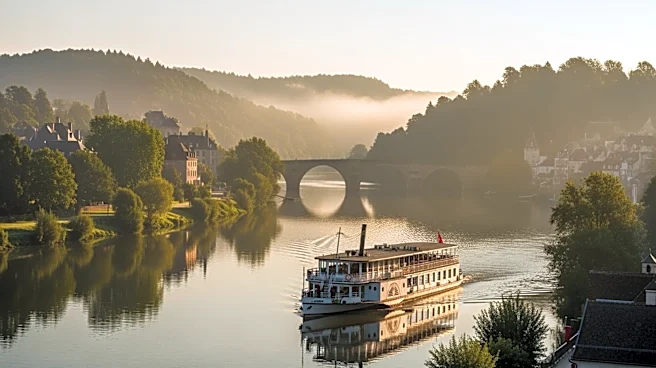
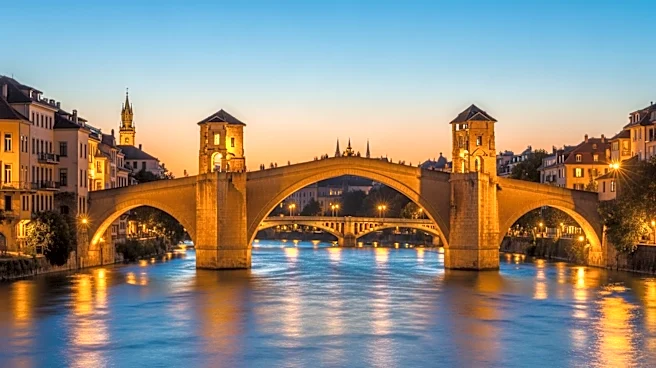
College, the number of Israelis visiting Poland grew by 43% in 2025. Wrocław stands out due to its unique combination of impressive architecture, a vibrant cultural scene, and affordable prices. The city, which spans numerous islands connected by over 100 bridges along the Oder River, offers a mix of Gothic and Baroque buildings alongside contemporary design. Notable attractions include the Centennial Hall, a World Heritage site, and the OVO Wrocław complex, known for its 'blobitecture' style. The city also hosts cultural events such as the JazzOVO concert series and digital art exhibitions, making it an appealing destination for various types of vacations.
Why It's Important?
The rise in tourism to Wrocław highlights a shift in travel preferences, with tourists seeking destinations that offer cultural richness and unique experiences away from more crowded European cities. This trend benefits the local economy by boosting hospitality and related industries. For Israeli travelers, Wrocław provides a fresh alternative to traditional European destinations, offering a blend of history, culture, and modern amenities. The city's appeal is further enhanced by its affordability and the variety of activities available, from exploring architectural landmarks to participating in cultural events. This growth in tourism not only strengthens Poland's position as a key player in the European tourism market but also fosters cultural exchange and economic ties between Poland and Israel.
What's Next?
As Wrocław continues to attract more visitors, the city is likely to see further development in its tourism infrastructure. This could include the expansion of hospitality services, increased cultural programming, and enhanced marketing efforts to promote the city internationally. The local government and tourism authorities may also focus on sustainable tourism practices to manage the influx of visitors while preserving the city's cultural and architectural heritage. Additionally, the success of Wrocław as a tourist destination could inspire other lesser-known European cities to leverage their unique attributes to attract international travelers.