



What's Happening?
The state of Texas has filed a lawsuit against Southwestern Public Service Company, operating as Xcel Energy, for negligence after its downed power lines sparked the largest wildfire in Texas history. The Smokehouse Creek fire, which occurred in 2024,
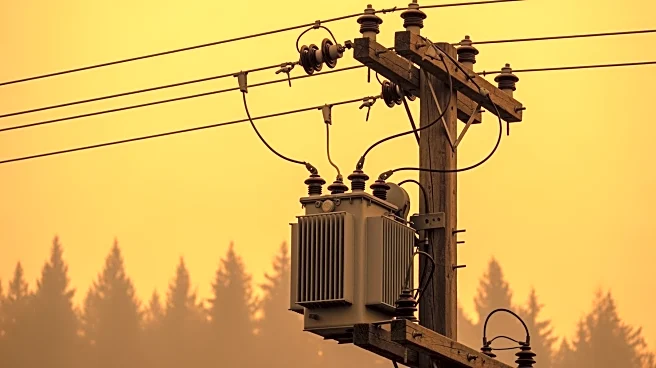
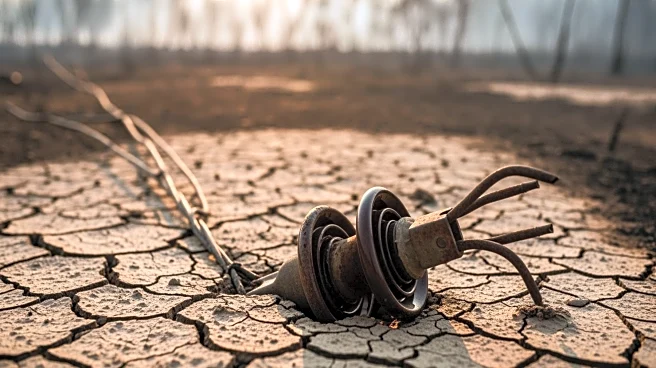
resulted in over $1 billion in damages, destroyed homes and livestock, and claimed three lives. The Texas A&M Forest Service determined that the fire was ignited when a decayed utility pole snapped, causing power lines to fall onto dry grass. The lawsuit, filed by Attorney General Ken Paxton, accuses the company of failing to replace aging utility poles, some nearly 100 years old, in the Texas Panhandle. Xcel Energy has acknowledged its equipment's role in the fire but disputes claims of negligence, having already settled numerous claims related to the incident.
Why It's Important?
This lawsuit highlights the critical issue of infrastructure maintenance and its role in preventing natural disasters. The outcome could set a precedent for utility companies' responsibilities in maintaining equipment to prevent wildfires, especially in fire-prone areas. The case underscores the financial and human costs of such disasters, emphasizing the need for proactive measures to mitigate risks. If successful, the lawsuit could lead to stricter regulations and increased accountability for utility companies, potentially influencing industry practices nationwide. The case also raises questions about the balance between corporate responsibility and public safety, with significant implications for policy and regulatory frameworks.
What's Next?
The legal proceedings will likely involve extensive examination of Xcel Energy's maintenance practices and infrastructure management. The outcome could influence future regulatory measures and industry standards for utility companies, particularly in regions susceptible to wildfires. Stakeholders, including policymakers, environmental groups, and the utility industry, will be closely monitoring the case. The lawsuit may prompt other states to reevaluate their infrastructure policies and consider similar legal actions if negligence is suspected. Additionally, the case could lead to increased investment in infrastructure upgrades and innovations to prevent future incidents.