

What's Happening?
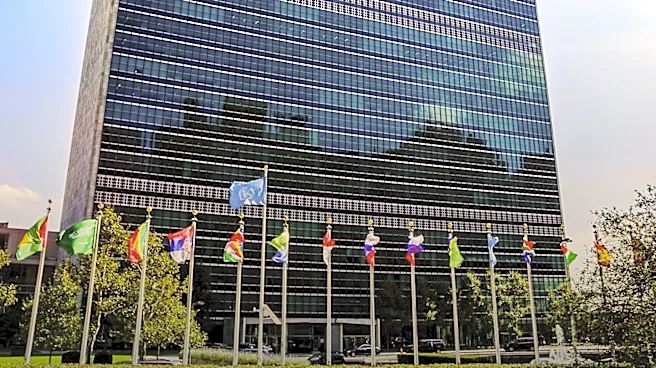
The United Nations Security Council is at a critical juncture, facing significant questions regarding its legitimacy and effectiveness amidst converging global pressures. These pressures include protracted armed conflicts, mass displacement, financial
constraints, climate-related insecurity, and a decline in confidence in multilateral institutions. Divisions among the permanent members of the Security Council are frequently blocking action, leading to concerns about its ability to fulfill its primary responsibility for maintaining international peace and security. The Council, composed of fifteen members with five permanent members (China, France, the Russian Federation, the United Kingdom, and the United States) holding veto power, is being scrutinized for its structure, which many believe no longer reflects current geopolitical realities. Discussions are underway to assess how the Council can restore its credibility, what elected members can contribute, and which reforms are both meaningful and politically achievable in the near term. There is also a focus on strengthening the implementation of the Women, Peace and Security agenda and the implications of appointing the first woman Secretary-General.
Why It's Important?
The effectiveness and legitimacy of the UN Security Council are paramount for global stability. Its inability to act due to divisions among permanent members directly impacts its capacity to address critical international crises, leading to prolonged conflicts and humanitarian suffering. A loss of credibility in this central body undermines the entire multilateral system, potentially encouraging unilateral actions by states and further eroding international cooperation. The discussion around women's participation in peace processes and the potential appointment of a woman Secretary-General highlights the need for more inclusive and diverse leadership within the UN, which could bring new perspectives and approaches to conflict resolution and global governance. Reforming the Council to better reflect the current balance of power and address contemporary threats is essential for the UN to remain a relevant and indispensable actor in maintaining international peace and security.
What's Next?
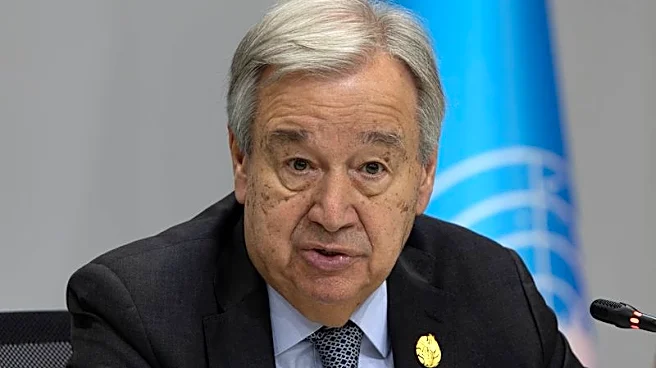
The UN will continue to grapple with questions of reform, focusing on how to overcome divisions among permanent members and empower elected members to contribute more effectively. Discussions will likely involve exploring various reform proposals for the Security Council's structure, including potential changes to membership and veto power, though such changes require amendments to the UN Charter and face significant political hurdles. Efforts to strengthen the Women, Peace and Security agenda will involve concrete actions to move from commitment to consistent practice in peace processes. The upcoming selection of the next Secretary-General, following Antonio Guterres's ten-year tenure, will be a key event, with member states nominating candidates and the Security Council deliberating privately before a formal recommendation is made to the General Assembly. This selection will signal the future direction of the UN's leadership and its commitment to gender equality and multilateral renewal.
Beyond the Headlines
The challenges facing the Security Council extend beyond its operational effectiveness to deeper issues of global governance and the future of multilateralism. The current impasse reflects a broader shift in international power dynamics and a questioning of the post-World War II international order. The debate over reform is not just about adjusting seats but about reimagining the principles of collective security and international cooperation in a multipolar world. The emphasis on women's participation and leadership also points to a growing recognition that traditional, male-dominated approaches to peace and security may be insufficient. A successful reform could revitalize the UN, making it more agile, representative, and capable of addressing complex, interconnected global threats. Conversely, a failure to adapt could lead to a further decline in its influence, potentially paving the way for alternative, less inclusive forms of international problem-solving.