



What's Happening?
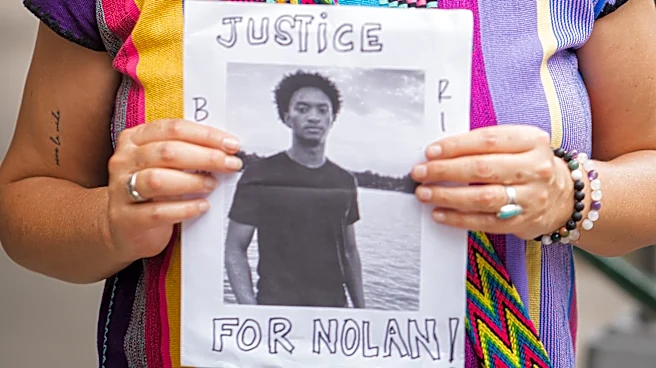
Nolan Wells, an 18-year-old football player from Southwest Mississippi Community College, died under mysterious circumstances after a Fourth of July celebration on Horn Island, Mississippi. His body was found two days later, and the cause of death remains
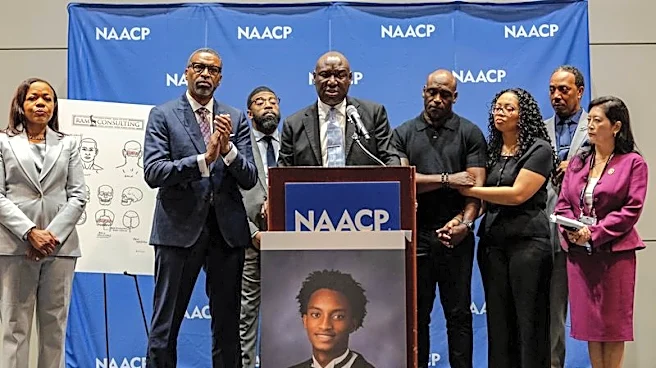
unknown. Preliminary autopsy results are inconclusive, with no evidence of fractures or deep tissue injuries. Civil rights attorney Ben Crump, representing the family, noted 'red discoloration' on Wells' skull, suggesting possible foul play. The case has drawn attention due to Wells being the only Black person present in footage from the event, raising concerns about racial dynamics and the thoroughness of the investigation.
Why It's Important?
The case underscores ongoing racial tensions and the challenges faced by Black families in seeking justice. It highlights the potential for racial bias in investigations and the importance of transparency in law enforcement processes. The involvement of a high-profile attorney like Ben Crump suggests the case could gain national attention, influencing public discourse on race and justice. The outcome may impact community trust in local authorities and prompt calls for policy changes regarding how such cases are handled.
What's Next?
The investigation continues, with the family and their attorney pushing for answers. The release of autopsy results and further investigation findings will be critical in determining the next steps. The case may lead to increased scrutiny of local law enforcement practices and potentially spark broader discussions on racial justice. Community and civil rights organizations are likely to remain engaged, advocating for a thorough and transparent investigation.
Beyond the Headlines
The case reflects broader societal issues of racial isolation and the challenges faced by Black individuals in predominantly white spaces. It raises questions about the safety and visibility of minorities in such environments and the systemic factors contributing to these dynamics. The story of Nolan Wells may resonate with many who have experienced similar feelings of isolation and vulnerability, prompting deeper conversations about race, trust, and community.