



What's Happening?
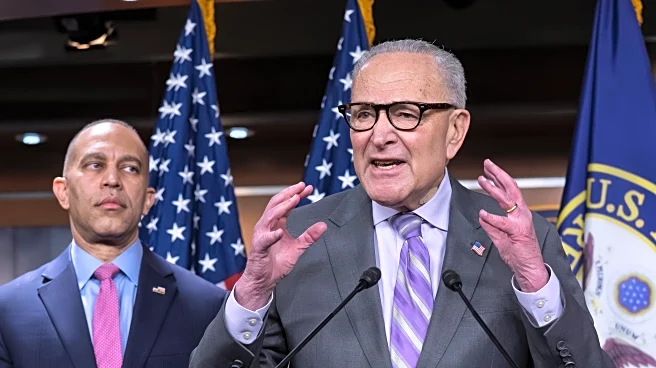
The acting director of the Cybersecurity and Infrastructure Security Agency (CISA), Madhu Gottumukkala, testified before the House Appropriations Subcommittee on Homeland Security about the potential impacts of a Department of Homeland Security (DHS)
funding lapse. Gottumukkala highlighted that a government shutdown would significantly impede CISA's ability to respond to cybersecurity threats, develop new capabilities, and complete essential regulations. While some activities, such as responding to imminent threats and maintaining a 24/7 operations center, would continue on a limited basis, strategic planning and the development of new technical capabilities would be halted. The testimony comes amid political clashes over immigration policies, with Democrats and Republicans at odds over funding priorities. Gottumukkala noted that CISA has already reduced its personnel by a third under President Trump's administration, and a shutdown would further delay cybersecurity services and degrade the agency's capacity to provide timely guidance.
Why It's Important?
The potential shutdown of DHS funding poses a significant risk to national cybersecurity infrastructure. CISA plays a crucial role in protecting federal networks and critical infrastructure from cyber threats. A lapse in funding would leave gaps in security programs, making federal agencies more vulnerable to cyberattacks. The inability to issue binding operational directives or complete regulations under the Cyber Incident Reporting for Critical Infrastructure Act (CIRCIA) could delay critical incident reporting and response efforts. This situation underscores the broader implications of political gridlock on national security, as essential services and protections could be compromised. The testimony aims to persuade lawmakers to prioritize DHS funding to ensure continued cybersecurity operations.
What's Next?
If a funding lapse occurs, CISA plans to designate 888 of its 2,341 employees as 'excepted,' allowing them to work without pay during the shutdown. However, the agency's ability to deploy cybersecurity services and capabilities would be delayed, leaving significant security gaps. The ongoing political debate over immigration policies and DHS funding is likely to continue, with potential impacts on other DHS agencies. Lawmakers will need to reach a consensus to prevent a shutdown and ensure that CISA can maintain its critical cybersecurity functions. The situation highlights the need for bipartisan cooperation to address national security priorities.