




What's Happening?
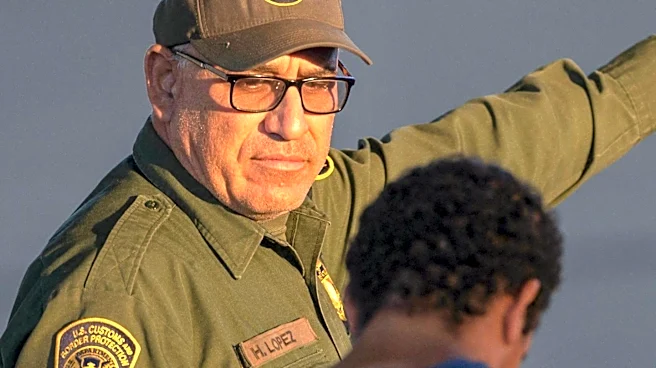
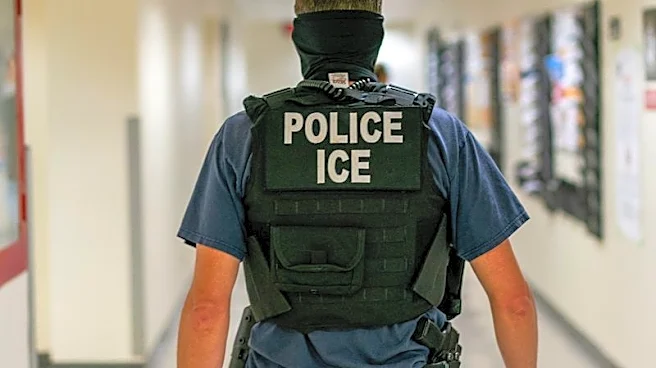
The Trump administration has significantly increased its enforcement of immigration policies, leading to a surge in visa revocations and more stringent border controls. Since President Trump's return to the White House, over 175,000 visas have been revoked,
primarily due to criminal offenses, violations of stay conditions, and security concerns. The State Department emphasizes that a U.S. visa is a privilege, not a right. The pace of revocations is accelerating, with over 10,000 visas canceled monthly in 2026, up from 8,000 in 2025. While the laws themselves haven't changed, their enforcement has become more meticulous, with officials scrutinizing details like travel attire or social media posts. Concurrently, the administration is also increasing efforts to denaturalize citizens who allegedly obtained citizenship illegally, with the USCIS instructed to refer 100-200 potential denaturalization cases monthly to the Department of Justice.
Why It's Important?
This intensified immigration enforcement has broad implications for individuals seeking to enter or reside in the U.S., as well as for international relations and the U.S. economy. The stricter controls and increased visa revocations could deter tourism and business travel, potentially impacting industries reliant on international visitors. The rise in denaturalization proceedings creates uncertainty and fear among naturalized citizens, raising questions about due process and the stability of citizenship. Furthermore, the administration's aggressive stance on immigration, particularly regarding the mandatory detention of undocumented immigrants, has faced significant legal pushback. Federal courts have issued over 15,000 rulings against the administration's interpretation of detention policies, with even a majority of Trump-appointed judges ruling against the practice. This ongoing legal battle highlights a fundamental tension between executive immigration policies and judicial oversight, with the dispute now heading to the Supreme Court.
What's Next?
The legal challenges to the Trump administration's immigration policies, particularly regarding mandatory detentions, are expected to continue, with a key dispute heading to the Supreme Court. The outcome of these cases will significantly shape the future of immigration enforcement and the rights of immigrants in the U.S. The administration, however, remains steadfast in its approach, attributing legal setbacks to 'the left and its activist representatives in the judiciary.' Meanwhile, the increased scrutiny at borders and the rising rate of visa revocations are likely to persist. Travelers to the U.S. can anticipate more thorough questioning and potential delays. The long-term impact on tourism and international exchange will depend on how these policies evolve and how they are perceived globally. The administration's goal of one million deportations annually remains distant, despite a significant increase in deportations in 2025 and 2026.
Beyond the Headlines
The heightened immigration enforcement under the Trump administration extends beyond mere policy adjustments; it reflects a broader ideological commitment to stricter border control and a more restrictive approach to immigration. This stance has cultural and social implications, potentially fostering an environment of suspicion towards immigrants and foreign visitors. The legal battles, particularly those involving federal judges, underscore the critical role of the judiciary in checking executive power and upholding constitutional principles. The decline in international tourism, with the exception of Polish visitors, suggests that these policies are already having an economic impact, potentially affecting various sectors from hospitality to retail. The ongoing debate over immigration policy touches upon fundamental questions of national identity, economic needs, and humanitarian responsibilities, making it a deeply divisive and enduring issue in U.S. politics.