





What's Happening?
Japan is preparing to deploy a $10 billion financial support package to assist Southeast Asian countries in coping with the oil supply shock caused by the ongoing conflict in the Middle East. This initiative, reported by NHK, will be unveiled by Japan's
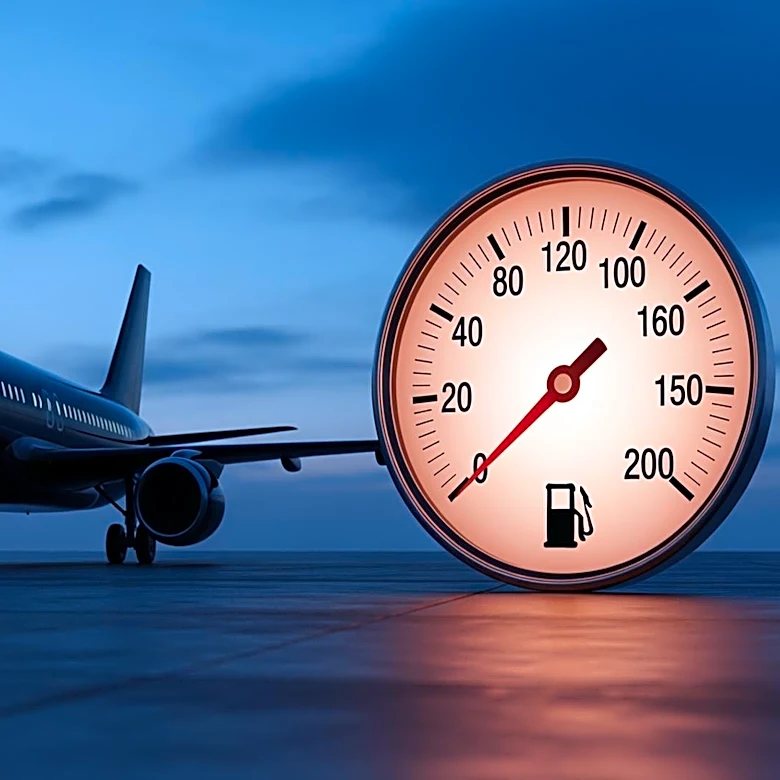
Prime Minister Sanae Takaichi at an online summit of the Asia Zero Emission Community plus. The package aims to help these economies procure crude oil, as they face severe fuel shortages and rising prices. The Philippines, heavily reliant on Middle Eastern oil, has declared a national energy emergency, highlighting the crisis's severity.
Why It's Important?
The Middle East conflict has disrupted global oil supplies, significantly impacting Southeast Asian economies that depend on these imports. Japan's financial aid is crucial in stabilizing the region's energy markets and preventing further economic downturns. This move underscores Japan's strategic role in regional stability and its commitment to supporting neighboring countries during crises. The aid package also reflects the interconnectedness of global energy markets and the ripple effects of geopolitical conflicts on international trade and economic stability.
What's Next?
As Japan implements this financial support, Southeast Asian countries will likely use the funds to secure alternative oil supplies and stabilize their energy markets. The situation may prompt further international cooperation to address the broader implications of the Middle East conflict on global energy security. Japan's actions could set a precedent for other nations to provide similar support, fostering regional collaboration. Monitoring the effectiveness of this aid will be crucial in assessing its impact on mitigating the oil shock's effects.