






What's Happening?
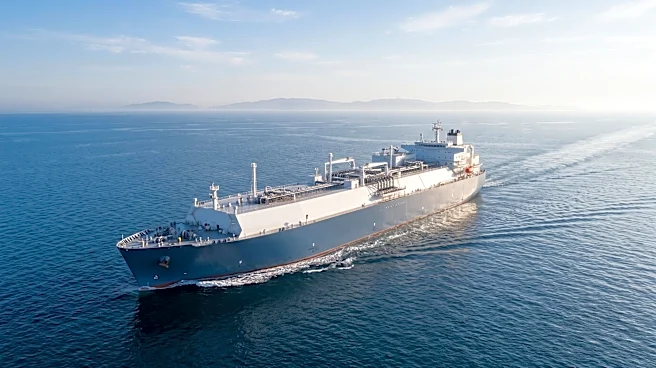
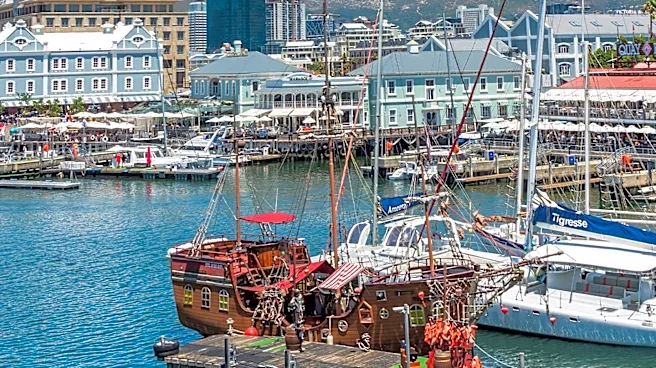
South Africa is actively pursuing the decarbonization of its maritime industry. The nation has outlined specific plans to implement key regulations from the International Maritime Organization (IMO) concerning shipping emissions. To drive this initiative,
South Africa intends to establish a national task force and develop a comprehensive action plan. This move is part of a broader strategy to reduce the environmental impact of its shipping sector. Additionally, marine fuel supplier Peninsula has expanded its bunkering operations to Algoa Bay, South Africa, indicating ongoing activity in the maritime energy sector. The country is also exploring renewable energy sources, with Eco Wave Power assessing the potential for wave energy in South Africa.
Why It's Important?
The decarbonization of South Africa's maritime industry holds significant importance for both environmental sustainability and economic development. By adopting IMO regulations, South Africa contributes to global efforts to combat climate change and reduce greenhouse gas emissions from international shipping. This commitment can enhance the country's reputation as a responsible maritime nation and potentially attract investments in green technologies and infrastructure. The establishment of a national task force and action plan signifies a structured approach to this complex transition, which could create new job opportunities in renewable energy and green shipping. Furthermore, the expansion of bunkering operations and the exploration of wave energy indicate a diversified approach to energy supply and a potential shift away from traditional fossil fuels in the long term, impacting the energy market and related industries.
What's Next?
South Africa is expected to proceed with the formation of its national task force and the development of an action plan for maritime decarbonization. This will likely involve collaboration between government agencies, industry stakeholders, and potentially international partners to ensure effective implementation of IMO regulations. The assessment of wave energy potential by Eco Wave Power could lead to the development of new renewable energy projects, diversifying South Africa's energy mix. Future developments may also include further investments in green shipping technologies, infrastructure upgrades in ports to support alternative fuels, and continued monitoring of emissions to track progress towards decarbonization goals. The country's actions will be closely watched by other maritime nations and environmental organizations.
Beyond the Headlines
South Africa's push for maritime decarbonization reflects a global trend towards sustainable practices in the shipping industry. This initiative could serve as a model for other developing nations with significant maritime sectors, demonstrating how to balance economic growth with environmental responsibility. The focus on establishing a national task force highlights the importance of coordinated governance and policy frameworks in achieving ambitious climate goals. Furthermore, the exploration of wave energy underscores the broader shift towards harnessing diverse renewable energy sources, which could have long-term implications for energy security and independence. This move also touches upon the ethical responsibility of nations to mitigate their contribution to climate change, particularly in sectors with high emissions like shipping.