





What's Happening?
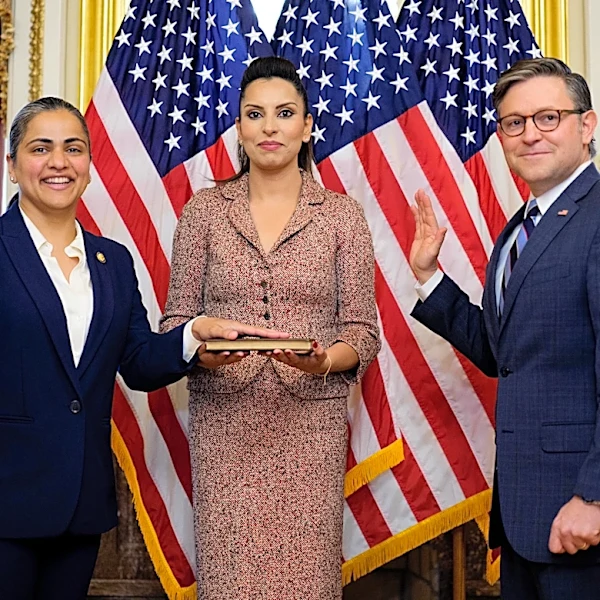
The Maryland Department of Human Services (DHS), in collaboration with House Speaker Joseline A. Peña-Melnyk and Casey Family Programs, hosted the inaugural Child Welfare Legislative Summit in Annapolis. The event convened practitioners, policymakers,
service providers, and advocates to highlight evidence-based practices underpinning Maryland’s child welfare reform agenda. A key focus was the shared responsibility to sustain progress in serving Maryland’s young people. The summit built upon programmatic, budgetary, and legislative reforms initiated since 2023 to address long-standing issues within the state’s foster care system. Notably, Maryland’s 2024 Kinship Care Law and the Moore-Miller administration’s Family Matters initiative have led to a significant increase in children placed with kin, with over 440 more youth living with family by July 2026 compared to before the law, and a 46% increase in the kinship placement rate.
Why It's Important?
This summit signifies a concerted effort by Maryland leadership to strengthen its child welfare system, particularly by prioritizing kinship care. The increase in kinship placements is crucial as it often provides children with greater stability, cultural continuity, and emotional support compared to non-relative foster care. This approach can lead to better long-term outcomes for children, including improved academic performance and reduced behavioral issues. Furthermore, the focus on ending pediatric hospital overstays and enforcing bans on unlicensed settings addresses critical safety and well-being concerns for vulnerable youth. The collaboration between legislative and executive branches, along with external partners, demonstrates a unified commitment to systemic reform, which is essential for creating lasting positive change in child welfare.
What's Next?
The summit's discussions will likely inform future legislative actions and policy implementations aimed at further strengthening Maryland's child welfare system. Key areas for continued focus include reducing hospital overstays, aiding at-risk youth, and expanding placement options for children in out-of-home care. The ongoing efforts to remove barriers for kinship caregivers and increase their licensing rates will continue, ensuring more children can be placed with family and receive financial support. The Advisory Council on Maryland’s System of Care for Children, Youth, and Families will continue its quarterly meetings to address systemic barriers in medical and behavioral health services. These ongoing initiatives aim to ensure every young person in Maryland is safe, thrives in a permanent home, and is surrounded by a loving family.
Beyond the Headlines
The emphasis on kinship care in Maryland reflects a broader national movement to reform child welfare by leveraging family and community networks. This shift acknowledges the profound impact of family connections on a child's development and well-being. Ethically, it aligns with the principle of keeping families together whenever possible, even in challenging circumstances. Culturally, it respects the importance of extended family structures and community support systems. The success of Maryland's reforms could serve as a model for other states grappling with similar child welfare challenges, potentially influencing national best practices. Long-term, a stronger kinship care system could lead to reduced reliance on traditional foster care, lower costs for state governments, and a more humane and effective approach to protecting vulnerable children.