
What's Happening?
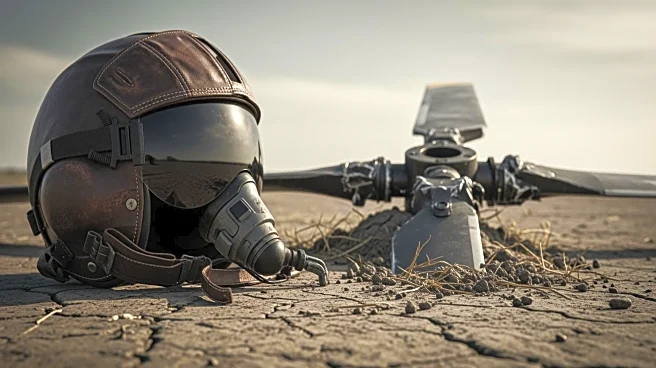
Celebrity crocodile wrangler Matt Wright has been sentenced to five months in prison for tampering with evidence related to a helicopter crash that resulted in the death of his co-star, Chris 'Willow'
Wilson, and left the pilot, Sebastian Robinson, with severe injuries. The incident occurred in February 2022 in Arnhem Land, Northern Territory, Australia. Wright, who was not in the helicopter at the time, was found guilty of lying to police and pressuring a hospitalized witness to alter flight records. The court heard that Wright attempted to cover up the true flying hours of the helicopter to avoid costly maintenance. Despite the guilty verdicts, Wright's lawyers have indicated plans to appeal. The maximum sentence for his charges could have been 15 years, but the judge considered mitigating factors such as Wright's community contributions and character references.
Why It's Important?
This case highlights significant issues within the helicopter industry, particularly in the Northern Territory, where falsifying flight records to delay maintenance is reportedly common. The trial exposed the practice of 'popping the clock,' which involves disconnecting a meter that records flight hours. This case underscores the potential safety risks associated with such practices, which can lead to catastrophic accidents. The sentencing of a high-profile figure like Wright may serve as a deterrent to others in the industry, emphasizing the importance of adhering to safety regulations and maintaining accurate records. The outcome of this case could prompt regulatory bodies to scrutinize and enforce stricter compliance within the aviation sector.
What's Next?
Wright's legal team has expressed intentions to appeal the guilty verdicts, which could lead to further legal proceedings. Additionally, the unresolved charge regarding the alleged request to destroy evidence remains under consideration by the courts. The aviation industry, particularly in the Northern Territory, may face increased regulatory oversight and potential reforms to address the issues of record falsification and maintenance compliance. Stakeholders, including aviation authorities and industry leaders, may need to collaborate on implementing measures to enhance safety and accountability.
Beyond the Headlines
The case raises ethical questions about the responsibilities of individuals in positions of influence and the impact of their actions on public safety. Wright's involvement in the cover-up attempts, despite his celebrity status, highlights the broader issue of accountability in the face of negligence. The trial also sheds light on the cultural dynamics within the helicopter community, where certain unsafe practices have become normalized. This situation may prompt a cultural shift towards prioritizing safety and transparency over cost-cutting measures.