


What's Happening?
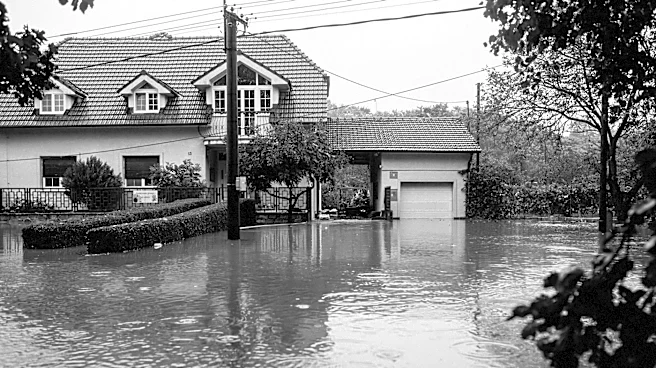
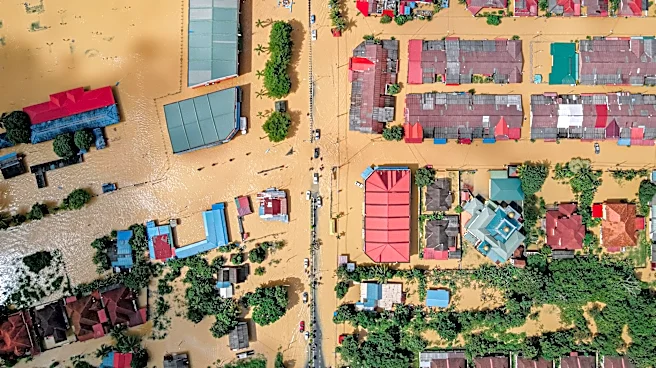
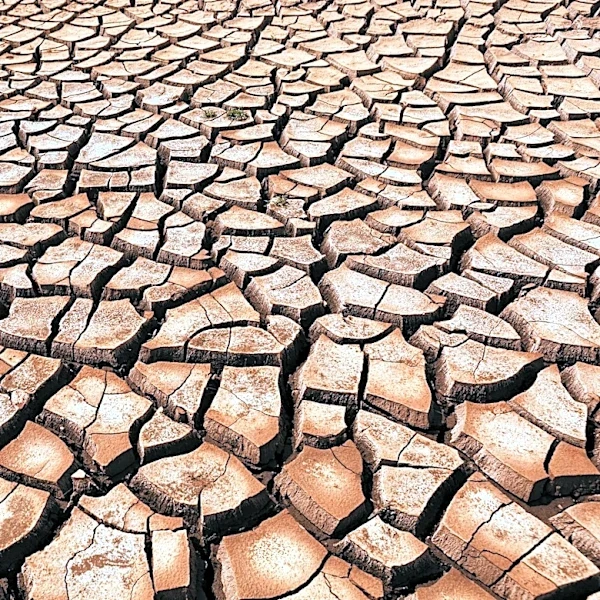
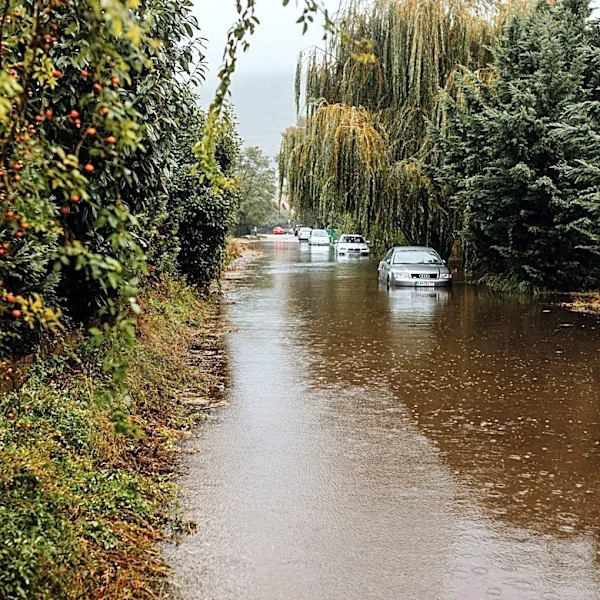
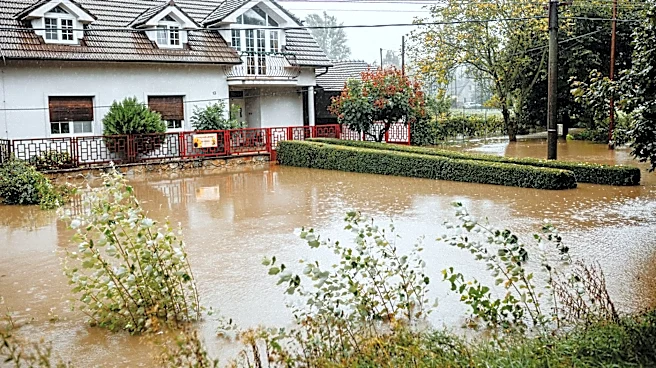
Recent rainfall and flooding in Indiana could lead to a significant increase in the mosquito population, according to experts. Mosquitoes breed in standing water, and the extensive flooding experienced across the state this summer provides ample breeding
grounds. While floodwater mosquitoes, often referred to as 'daytime biters,' are considered a nuisance and can be aggressive, they typically do not carry diseases. However, Catherine Hill, Head of the Department of Entomology at Purdue University, emphasizes concern for 'disease vector mosquitoes,' specifically Culex species. These mosquitoes, which bite from dusk through dawn, develop in stagnant, polluted water and are the primary focus from a public health standpoint due to their potential to transmit diseases.
Why It's Important?
The anticipated surge in mosquito populations, particularly disease vector species, poses a public health concern for Indiana residents. While floodwater mosquitoes are mainly a nuisance, an increase in Culex species could elevate the risk of mosquito-borne illnesses. This situation highlights the direct impact of environmental factors, such as heavy rainfall and flooding, on public health infrastructure and community well-being. It underscores the importance of proactive measures in mosquito control and public awareness campaigns to mitigate potential health risks. The economic impact could include increased healthcare costs related to mosquito-borne illnesses and potential disruptions to outdoor activities and tourism if mosquito populations become excessively high.
What's Next?
Homeowners are encouraged to take preventative measures to help control the mosquito population. This includes cleaning out gutters and eliminating any standing water in their yards, such as in dog bowls or bird baths. Public health officials and entomologists will likely monitor mosquito populations and disease activity closely. Educational campaigns may be launched to inform residents about personal protection measures, such as using insect repellent and wearing protective clothing. Local authorities might also consider implementing or increasing mosquito control efforts, such as larviciding or adulticiding, in affected areas to manage the increased numbers and reduce the risk of disease transmission. Continued rainfall could exacerbate the situation, requiring ongoing vigilance.
Beyond the Headlines
Beyond the immediate nuisance and potential health risks, this situation underscores the broader implications of climate change and extreme weather events on public health. Increased frequency and intensity of rainfall can create ideal conditions for vector-borne diseases, challenging existing public health strategies. It also highlights the interconnectedness of environmental health and human health, emphasizing the need for integrated approaches to urban planning, water management, and public health initiatives. The reliance on individual homeowner actions for prevention also points to the importance of community engagement and education in managing environmental health challenges. This scenario could serve as a case study for how communities adapt to changing ecological conditions influenced by climate patterns.