




What's Happening?
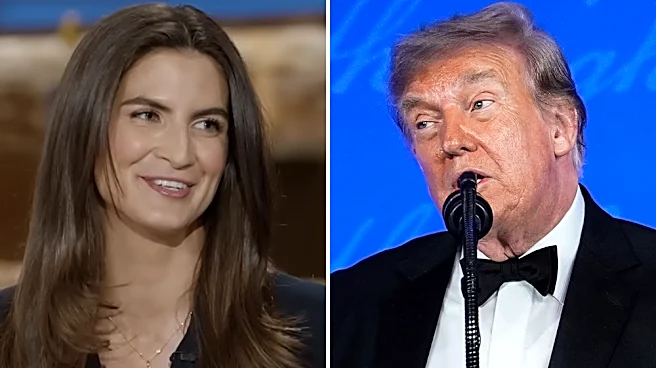
President Trump recently posted an AI-altered image on social media, depicting CNN journalist Kaitlan Collins' face on the body of transgender actress Dylan Mulvaney. This image was originally from a 2023 Instagram post by Mulvaney, which had sparked
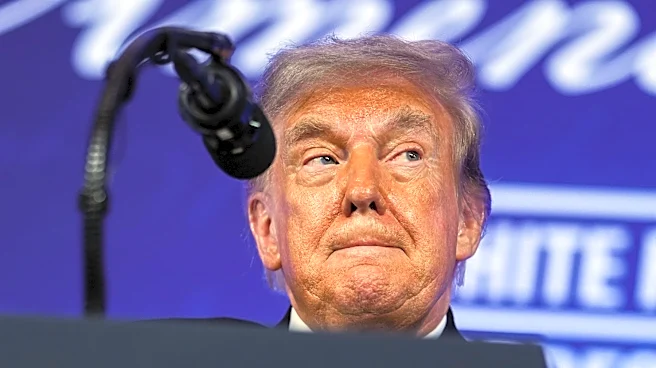
controversy due to her association with Bud Light. Trump's actions followed his remarks at the White House Correspondents' Association dinner, where he made comparisons between Collins and Mulvaney, reviving false claims about the beer company's partnership with Mulvaney. Mulvaney responded to Trump's actions, expressing surprise that her name was mentioned multiple times by the president. CNN defended Collins, highlighting her journalistic integrity and contributions.
Why It's Important?
This incident underscores the ongoing tensions between President Trump and the media, particularly with journalists who cover his administration critically. The use of AI-altered images to mock or discredit individuals raises ethical concerns about misinformation and the potential impact on public perception. Trump's actions also highlight the broader societal debates surrounding transgender rights and representation, as Mulvaney's involvement with Bud Light had previously made her a target for right-wing criticism. The situation reflects the challenges faced by journalists and public figures in navigating politically charged environments.
What's Next?
The response from Mulvaney and CNN suggests a continued defense of journalistic integrity and the rights of transgender individuals. It is likely that media organizations and advocacy groups will monitor and respond to similar incidents in the future, emphasizing the importance of accurate representation and ethical media practices. The ongoing discourse may influence public opinion and policy discussions related to media ethics and transgender rights.