



What's Happening?
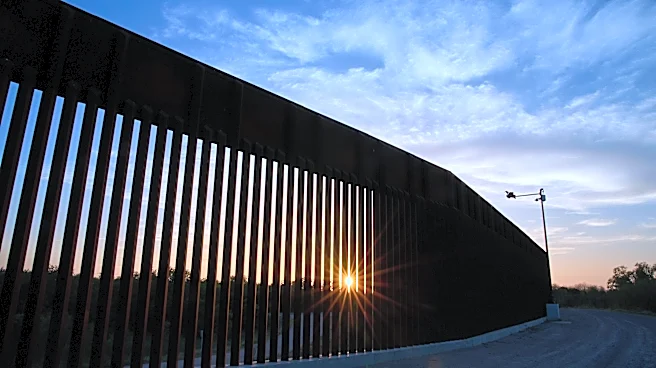
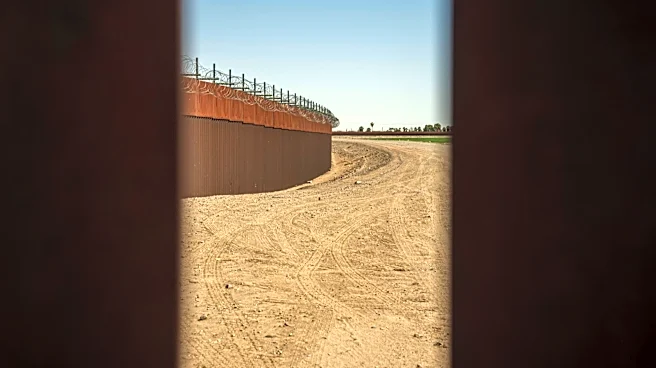
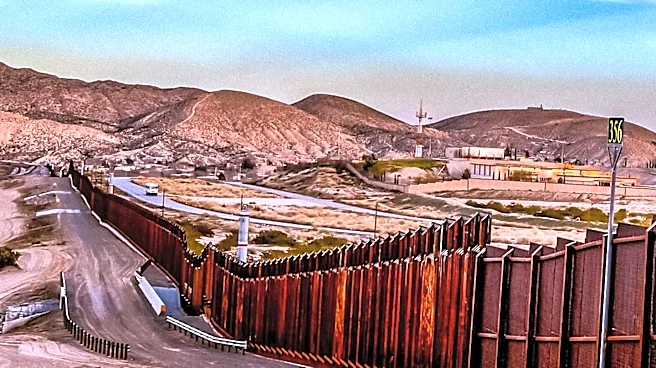
In Lochiel, Arizona, protesters have initiated a 'tree sit' to prevent the destruction of a 200-year-old cottonwood tree, part of a grove threatened by the construction of a border wall between the U.S. and Mexico. The protest, which has grown to include
several dozen participants, aims to protect the last remaining ancient cottonwood in the area, referred to by locals as the 'grandmothers.' The tree is situated in a region known for its ecological significance, serving as a vital wildlife corridor. Despite the peaceful nature of the protest, one individual was briefly detained but released without charges. The demonstration has garnered national attention, with environmental activists demanding that the Department of Homeland Security's Customs and Border Protection (CBP) agency spare the cottonwoods.
Why It's Important?
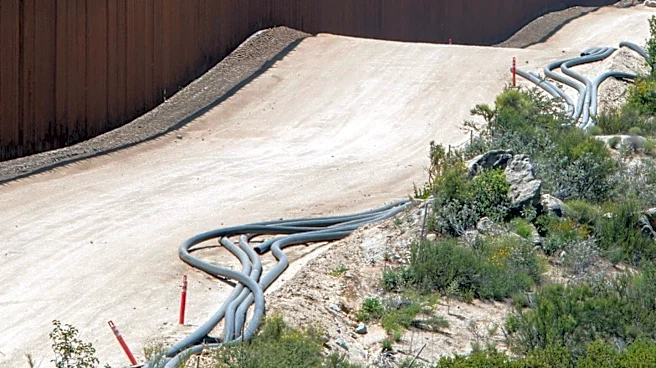
The protest highlights the ongoing conflict between environmental conservation and border security measures. The construction of the border wall poses a significant threat to the biodiversity of the region, potentially disrupting wildlife corridors and affecting species such as the western yellow-billed cuckoo. The protest underscores the broader debate over the necessity and impact of border infrastructure, especially in areas with low levels of illegal immigration. The situation also raises questions about the balance between national security and environmental preservation, as federal contractors are exempt from several environmental laws under the Real ID Act.
What's Next?
The protesters have vowed to continue their efforts to protect the tree, with plans to remain on site as long as necessary. The situation may lead to further legal and political challenges, as the CBP and federal contractors proceed with construction plans. The protest could inspire similar actions in other regions affected by border wall construction, potentially influencing public opinion and policy decisions regarding environmental conservation and border security.
Beyond the Headlines
The protest at Lochiel reflects a growing movement of environmental activism focused on preserving natural habitats in the face of development projects. It also highlights the legal complexities involved in balancing federal infrastructure projects with environmental protection, as exemptions under the Real ID Act allow for the bypassing of laws like the Endangered Species Act. The outcome of this protest could set a precedent for future environmental and legal challenges related to border infrastructure.