





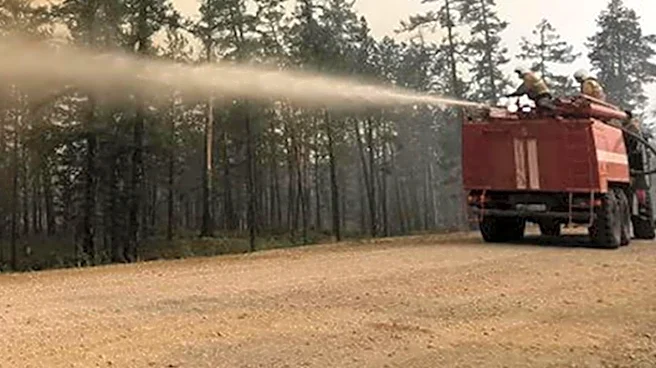
What's Happening?
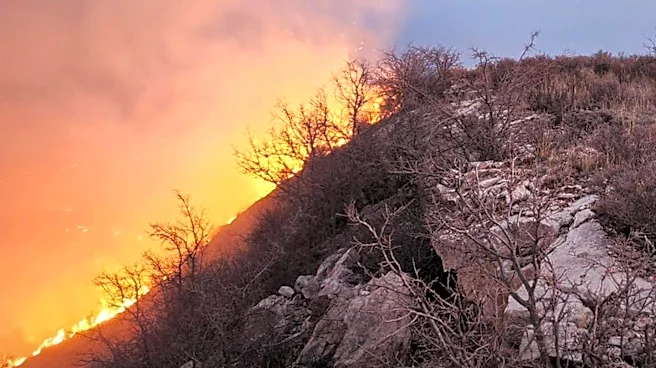
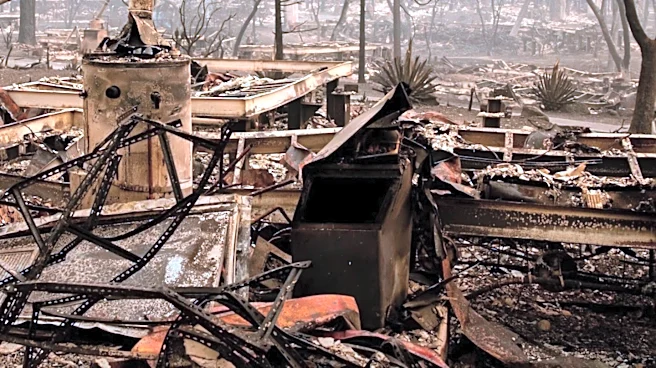
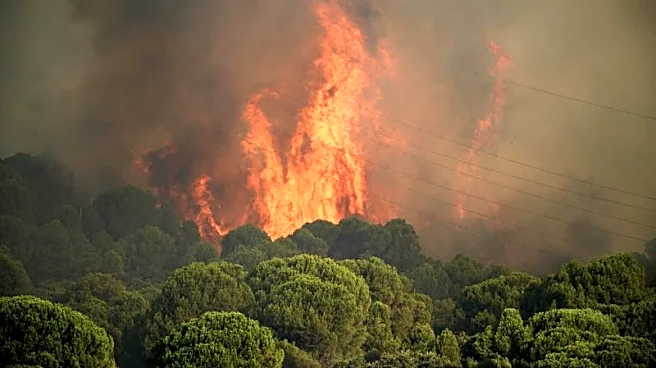
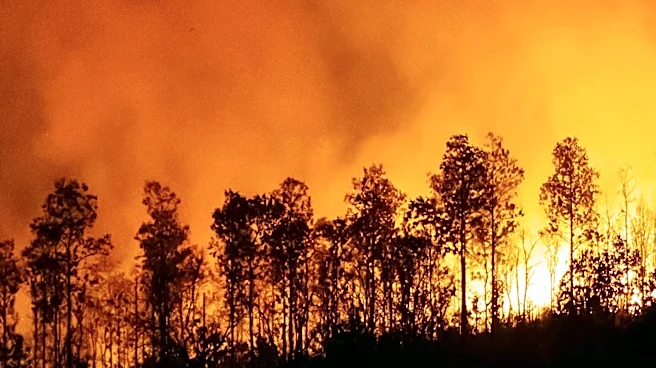
France and Spain are experiencing unprecedented wildfires, with three of the largest fires in the past 20 years occurring this month. The fires have led to mass evacuations and significant property damage. The energy output from these fires, as measured
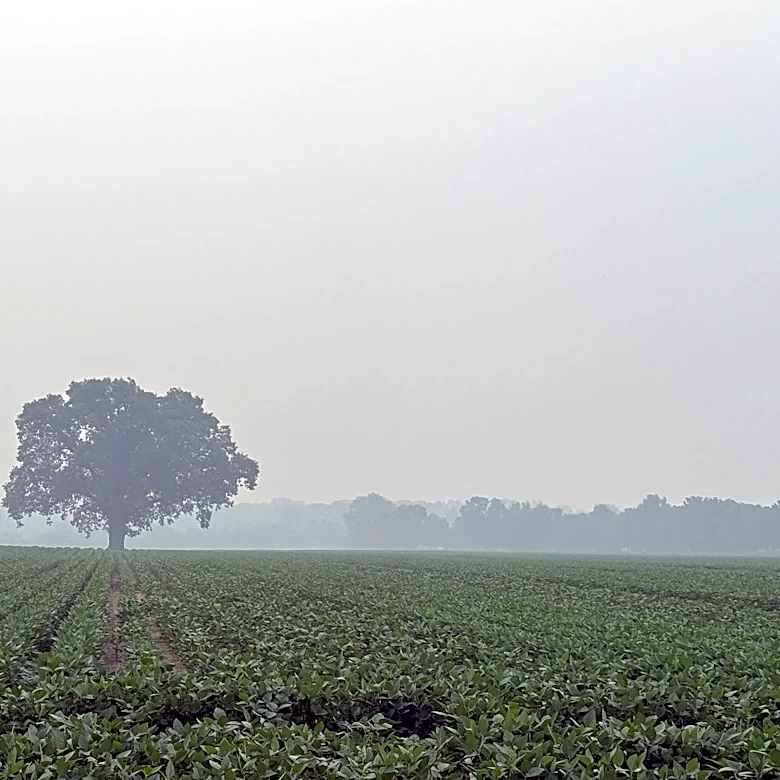
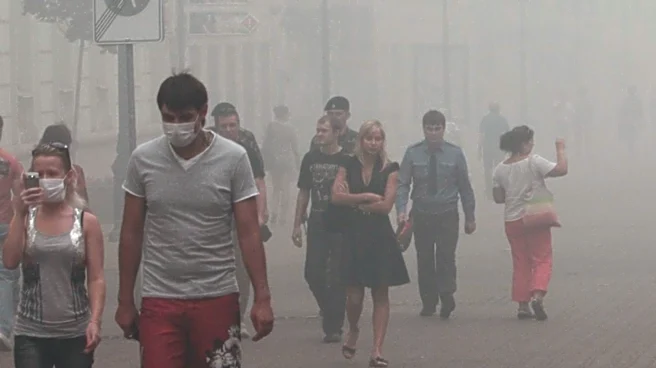
by NASA satellites, is double the previous record for July in France. The fires are exacerbated by severe drought and heatwaves, conditions that are consistent with climate change predictions. The situation is dire, with authorities struggling to control the fires and protect urban areas. The fires have also resulted in widespread exposure to harmful smoke, affecting public health.
Why It's Important?
These wildfires are a stark reminder of the increasing frequency and intensity of natural disasters due to climate change. The situation in France and Spain highlights the urgent need for effective climate adaptation and mitigation strategies. The fires pose significant risks to human life, property, and the environment, and they contribute to greenhouse gas emissions, further exacerbating climate change. The events underscore the importance of international cooperation in addressing climate-related challenges and the need for robust policies to reduce the risk of future disasters.
What's Next?
Authorities in France and Spain will need to focus on immediate firefighting efforts while also planning for long-term climate adaptation strategies. This includes reducing fuel loads, implementing prescribed burns, and designing urban landscapes to minimize fire risks. The international community may increase pressure on governments to take more aggressive action on climate change. The situation could lead to policy changes and increased funding for climate resilience initiatives. As the fire season continues, monitoring and response efforts will be critical to prevent further loss of life and property.