




What's Happening?
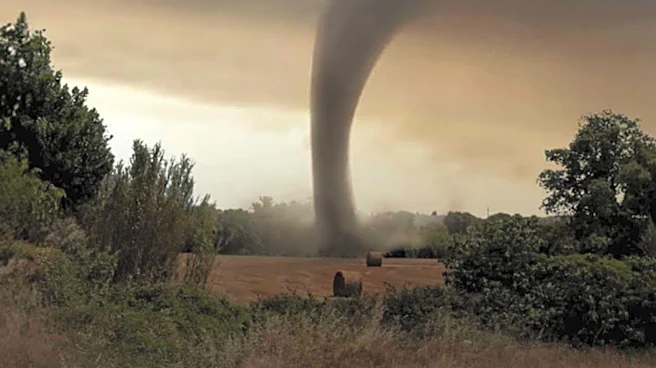
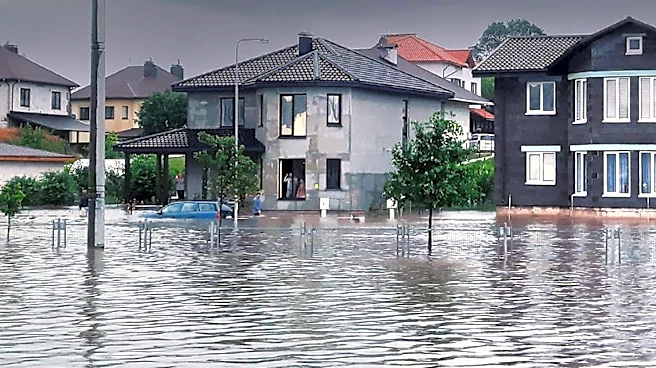
A severe weather threat is impacting over 50 million people across the Northeast and Mid-Atlantic regions, with the National Weather Service issuing warnings for damaging winds, large hail, isolated tornadoes, and flash flooding. Cities such as New York
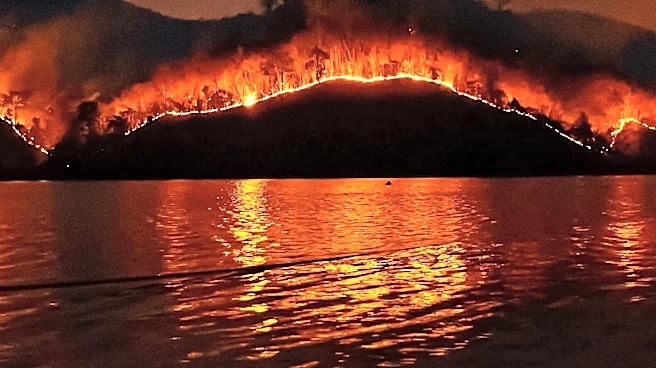
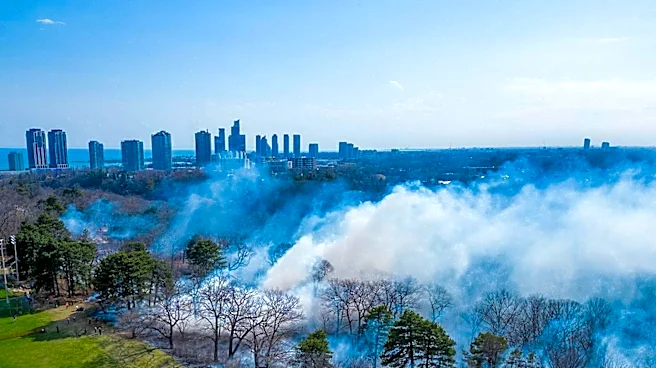
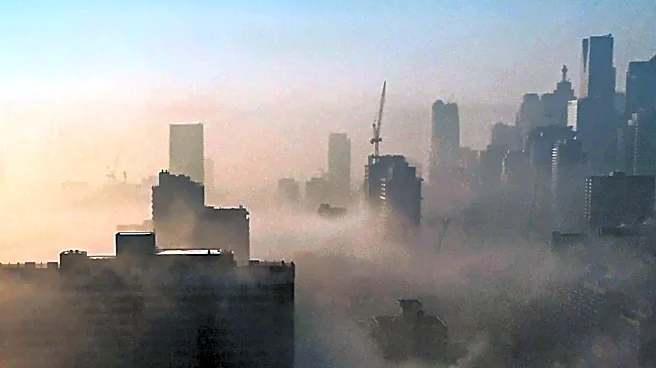
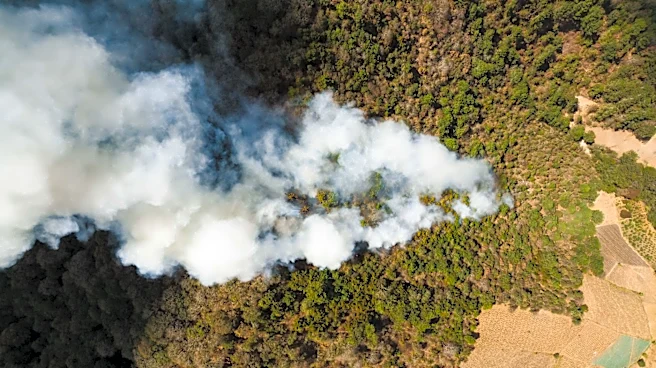
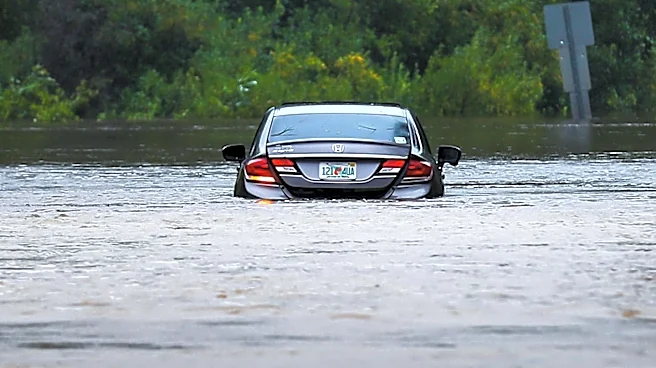
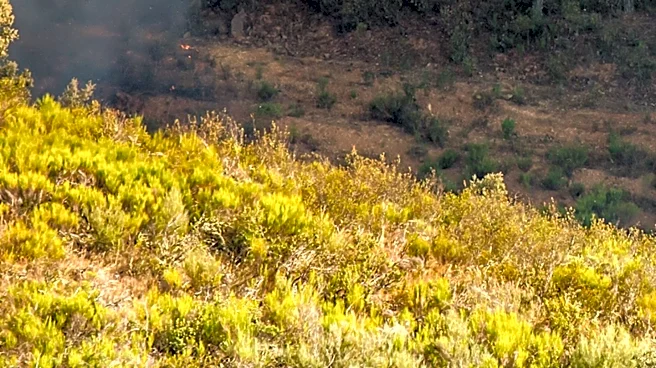
City, Washington, D.C., Philadelphia, Pittsburgh, and Cleveland are under severe thunderstorm and tornado watches. The weather conditions are exacerbated by smoke from Canadian wildfires, affecting air quality across at least 19 states. The situation is compounded by ongoing recovery efforts in Texas, where recent flooding has caused significant damage.
Why It's Important?
The severe weather poses significant risks to public safety and infrastructure, with potential for property damage and disruptions in daily life. The combination of storms and poor air quality due to wildfire smoke could lead to health issues, particularly for individuals with respiratory conditions. The economic impact is also notable, as businesses and transportation networks may face interruptions. The situation highlights the interconnectedness of climate events, with wildfire smoke affecting regions far from the source.
What's Next?
As the cold front moves through, air quality is expected to improve in the East. However, the immediate focus remains on managing the severe weather threats and ensuring public safety. Emergency services and local governments are likely to continue monitoring the situation closely, with potential for further warnings or advisories. The ongoing recovery in Texas will also require continued support and resources.