








What's Happening?
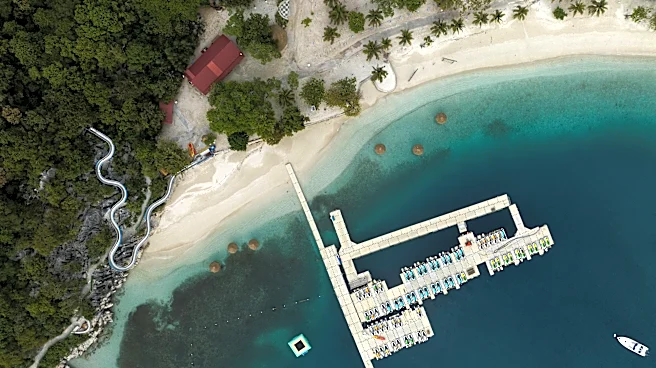
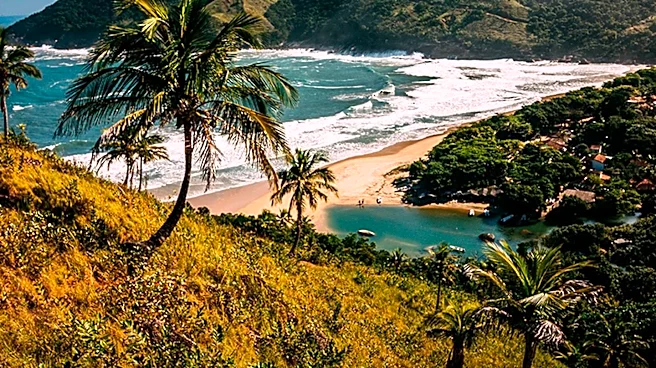
Ecuador's Pacific coast, stretching approximately 2,200 km, provides a variety of beach experiences, from developed resort towns to secluded national park beaches. Popular choices for travelers include Salinas, known for its developed infrastructure and
family-friendly atmosphere; Montañita, a vibrant surf town; and Playa de los Frailes, a pristine beach within Machalilla National Park. The coast is generally warmer than the Andes, with temperatures ranging from 24-32°C year-round. The region is divided into three sections: the northern coast (Esmeraldas province down to Mompiche) with a strong Afro-Ecuadorian culture and the warmest water, but also significant security concerns in 2026; the central coast (Bahía de Caráquez to Puerto López) where most beach travel occurs and Machalilla National Park is located; and the southern coast (Salinas down to the Peruvian border) which is drier and has the most developed tourism. While many beaches are suitable for swimming, some, like Montañita and Canoa, are surf beaches with strong currents, requiring caution. Lifeguards are often present only on weekends outside of Salinas. The best times to visit are generally July-August or January, avoiding the crowded Carnival weekend in February-March.
Why It's Important?
The diverse offerings of Ecuador's Pacific coast present significant opportunities for tourism, attracting different segments of the U.S. travel market, from families seeking relaxation to backpackers and surfers. The affordability of coastal accommodations and activities, compared to other regions like the Galápagos, makes it an attractive option for budget-conscious travelers. However, the reported security concerns in the northern coastal regions, particularly Esmeraldas city and areas near the Colombian border, are critical for U.S. travelers and travel agencies to consider. These concerns can influence travel advisories, insurance policies, and overall traveler confidence, potentially diverting tourism to safer central and southern coastal areas. The economic impact of these security issues can be substantial, affecting local businesses, employment, and regional development in the affected areas. Conversely, the continued safety and development of the central and southern coasts can bolster their appeal, contributing to a more balanced and resilient tourism economy for Ecuador.
What's Next?
Travelers planning trips to Ecuador's Pacific coast in 2026 and beyond will need to carefully consider regional security advisories. Tour operators and travel agencies will likely emphasize itineraries that focus on the safer central and southern coastal areas, such as Salinas, Montañita, Olón, Ayampe, and Puerto López. There may be a continued shift away from the northern coast until security conditions improve. Local authorities in the affected northern regions will need to address security challenges to regain tourist confidence and revive their tourism economies. For U.S. travelers, it is advisable to consult official travel warnings and choose reputable transport and tour providers, especially if venturing into less secure areas. The development of new tourism infrastructure and services will likely concentrate on the more stable central and southern parts of the coast, further solidifying their status as primary beach destinations in Ecuador.
Beyond the Headlines
The varying security situations across Ecuador's Pacific coast highlight a broader challenge faced by many developing nations that rely on tourism: balancing economic growth with regional stability and safety. The distinction between safe and unsafe areas within the same country can create uneven development, with some regions thriving while others struggle. This situation also underscores the importance of informed travel decisions, where travelers must go beyond general country-level assessments to understand localized conditions. The cultural richness of the northern coast, particularly its Afro-Ecuadorian heritage, risks being overlooked or inaccessible due to security concerns, leading to a potential loss of cultural exchange and economic opportunity for those communities. Addressing these security issues is not just about tourism; it's about fostering equitable development and ensuring that all regions can participate in and benefit from the country's economic progress.