





What's Happening?
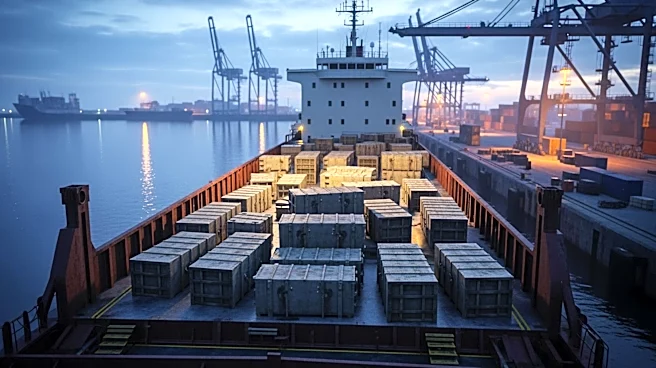
Kishore Mahbubani, the former President of the United Nations Security Council, has expressed concerns about the ongoing war involving Iran, highlighting its severe impact on global energy prices and the economy. Mahbubani noted that the conflict has exposed
vulnerable chokepoints, affecting not only the countries directly involved but also the broader international community. The strategic advantages held by Iran, the United States, and Israel contribute to the uncertainty surrounding the war's outcome, making it a significant geopolitical issue.
Why It's Important?
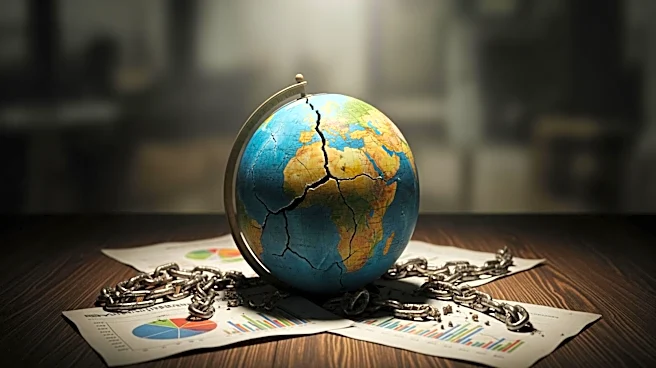
The conflict in Iran has far-reaching implications for global energy markets and economic stability. As energy prices fluctuate due to the war, countries dependent on oil imports may face economic challenges, potentially leading to inflation and increased costs for consumers. The strategic positioning of Iran, the U.S., and Israel adds complexity to the situation, as each nation seeks to leverage its advantages. This uncertainty can lead to market volatility, affecting investors and economies worldwide. The situation underscores the interconnectedness of global economies and the potential for regional conflicts to have widespread economic repercussions.
What's Next?
The international community is likely to monitor the situation closely, with potential diplomatic efforts aimed at de-escalating tensions. Major stakeholders, including global energy companies and financial markets, will be assessing the impact of the conflict on their operations and investments. The outcome of the war remains uncertain, and its resolution could involve negotiations or further military engagements. The geopolitical dynamics in the region may shift, influencing future international relations and economic policies.