





What's Happening?
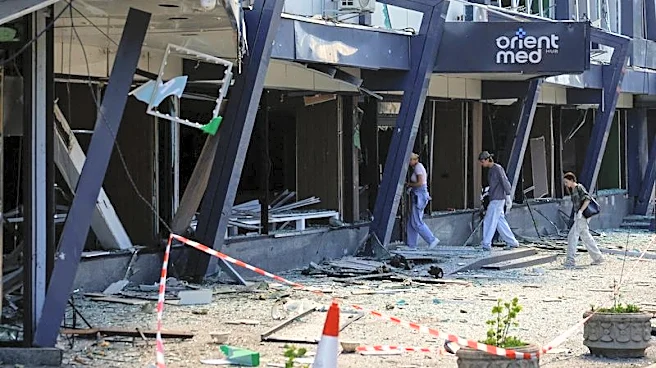
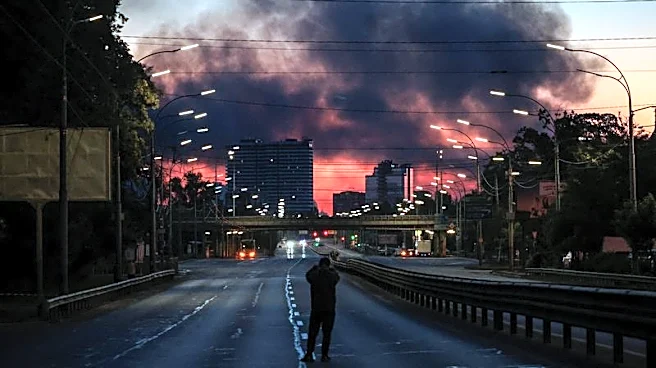
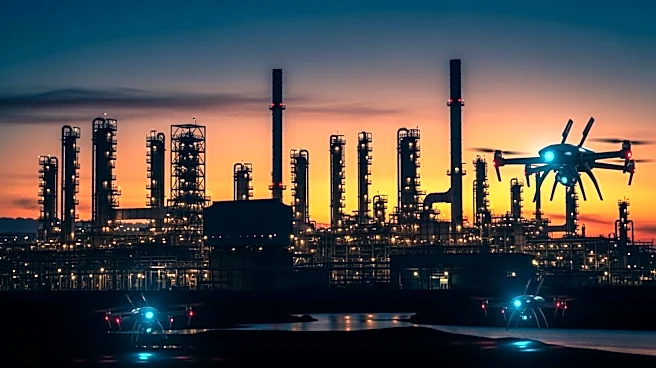
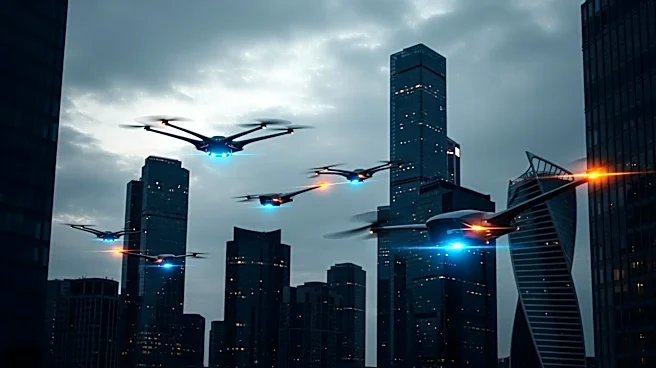
Recent developments in the ongoing conflict between Russia and Ukraine have seen Ukrainian forces employing improved drone tactics to target Russian supply lines. These strikes have significantly impacted Russian-occupied Crimea, leading to severe fuel
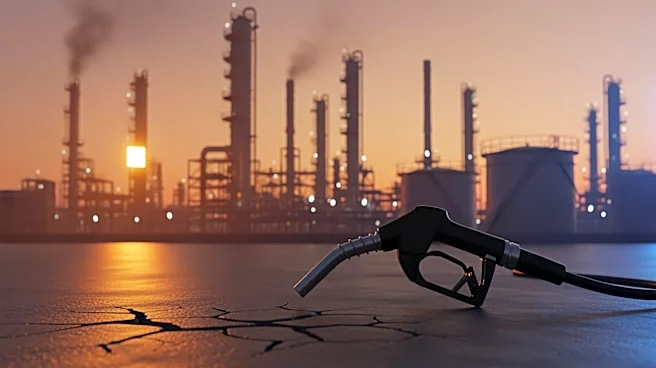
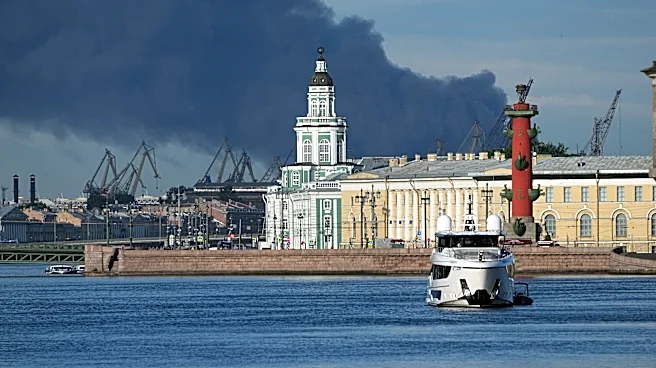
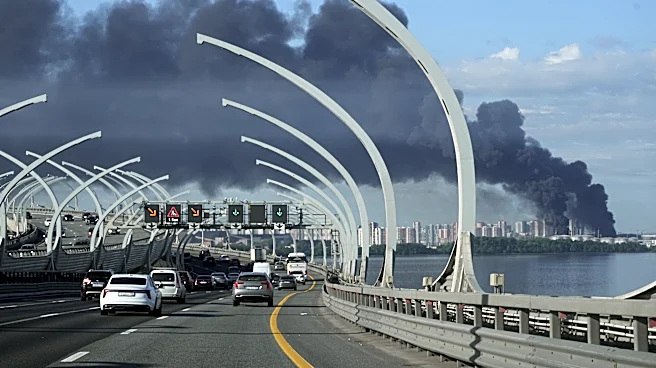
shortages. The attacks have focused on key highways and oil infrastructure, including refineries and export terminals, disrupting the transportation and production of fuel. This has resulted in gasoline rationing in Moscow and other parts of northern Russia, as well as in the occupied regions of Luhansk and Kherson. The economic strain on Russia is compounded by a growing budget deficit, which has reached 5.9 trillion rubles, significantly above the forecast for the year. The Kremlin's financial reserves have dwindled, and the economy is experiencing stagnation, with GDP growth projections for 2026 revised downwards.
Why It's Important?
The strategic use of drones by Ukraine marks a significant shift in the conflict, potentially altering the balance of power. The disruption of Russian supply lines not only affects military operations but also has broader economic implications. Fuel shortages could hinder Russia's ability to sustain its military efforts and impact civilian life in occupied territories. The economic challenges faced by Russia, including a widening budget deficit and reduced GDP growth, could weaken its position both domestically and internationally. This situation underscores the effectiveness of Ukraine's military strategy and highlights the vulnerabilities in Russia's logistical and economic infrastructure.
What's Next?
As the conflict continues, Russia may seek to mitigate the impact of fuel shortages by imposing export bans or finding alternative supply routes. The ongoing economic strain could lead to increased domestic pressure on the Kremlin to find a resolution to the conflict. Internationally, the situation may prompt further diplomatic efforts to broker peace or escalate tensions if Russia seeks to retaliate against Ukraine's strategic strikes. The effectiveness of Ukraine's drone strategy may encourage further investment in similar technologies, potentially influencing future military engagements.
Beyond the Headlines
The use of drones in modern warfare raises ethical and legal questions about the conduct of hostilities and the protection of civilian infrastructure. The conflict also highlights the broader geopolitical implications, as Western nations may reassess their support for Ukraine and their stance towards Russia. The economic impact on Russia could lead to shifts in global energy markets, affecting oil prices and international trade. Additionally, the situation in Crimea and other occupied regions may influence future discussions on territorial sovereignty and international law.