



What's Happening?
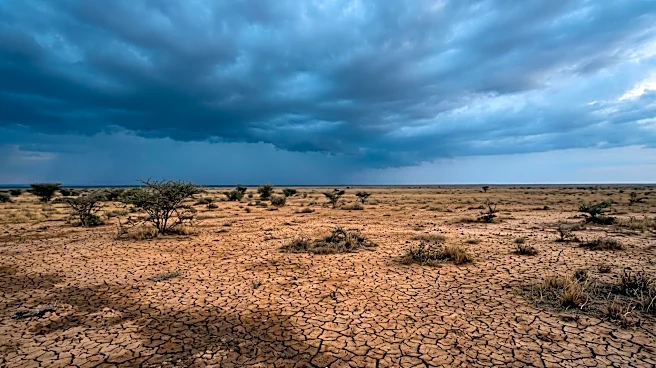
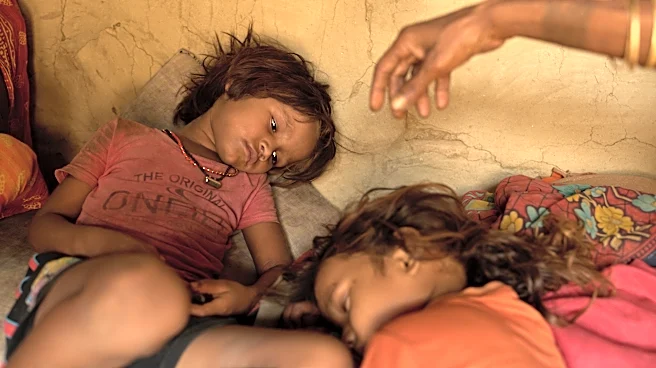
The United Nations World Food Programme (WFP) has issued a warning that acute child malnutrition in Somalia is projected to worsen in the coming months. This dire forecast is attributed to persistently high levels of hunger across the nation, exacerbated
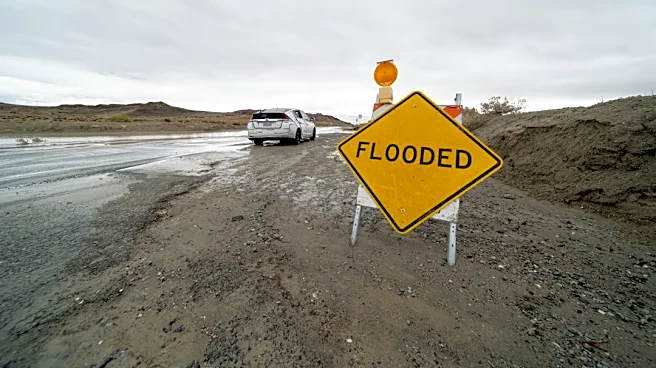
by the anticipated heavy flooding from a super El Niño event expected between October and December. Somalia has endured decades of severe hunger and recurrent famine. According to UN-backed food insecurity experts, approximately 5.4 million people are expected to face crisis levels of hunger or worse over the next three months, with 1.5 million of these experiencing emergency levels. Furthermore, over 1.9 million children under five will require treatment for acute malnutrition until June of next year, including 433,000 suffering from severe acute malnutrition, which is considered the deadliest form. The majority of Somalia's hunger crisis, over 60%, is concentrated among rural populations. Internally displaced persons in Belet Weyne and some displacement sites in Baidoa are expected to reach 'extremely critical' levels of malnutrition as the anticipated floods disrupt access to essential services.
Why It's Important?
This situation highlights a critical humanitarian crisis with significant implications for global health and stability. The worsening child malnutrition in Somalia not only threatens the lives of millions of vulnerable children but also underscores the fragility of food security in regions susceptible to climate change and prolonged instability. The long-term effects of severe malnutrition in early childhood include stunted growth, impaired cognitive development, and increased susceptibility to diseases, which can perpetuate cycles of poverty and hinder national development for generations. The displacement of populations due to flooding further complicates humanitarian efforts, straining already limited resources and infrastructure. The international community's response to this crisis will be a test of its commitment to addressing global hunger and the impacts of climate-induced disasters. Failure to adequately address this escalating crisis could lead to increased mortality rates, mass displacement, and potential regional instability, impacting broader international aid and development agendas.
What's Next?
In response to the escalating crisis, the UN World Food Programme and its partners will likely intensify their efforts to provide humanitarian assistance, including food aid and nutritional support, to the most affected populations in Somalia. This will involve pre-positioning supplies and scaling up operations in anticipation of the El Niño-induced flooding. There will be a critical need for increased international funding and logistical support to reach remote and displaced communities. Monitoring the progression of the El Niño event and its impact on rainfall patterns will be crucial for adapting response strategies. Additionally, efforts to strengthen early warning systems and build resilience in vulnerable communities against future climate shocks will be essential. Coordination among various humanitarian organizations, local governments, and international donors will be paramount to ensure an effective and comprehensive response to mitigate the severe consequences of hunger and malnutrition.
Beyond the Headlines
The crisis in Somalia extends beyond immediate food shortages, revealing deeper systemic issues related to climate vulnerability, governance, and long-term development. The recurring nature of hunger and famine in the region points to a need for sustainable solutions that address the root causes of food insecurity, such as climate adaptation, improved agricultural practices, and conflict resolution. The disproportionate impact on children highlights the ethical imperative to protect the most vulnerable during humanitarian crises. Furthermore, the situation underscores the interconnectedness of global challenges, where climate events in one part of the world can trigger severe humanitarian crises, demanding a coordinated global response. Addressing this crisis effectively requires not only emergency aid but also sustained investment in infrastructure, education, and healthcare to build a more resilient future for Somalia.