



What's Happening?
The upcoming midterm elections are expected to see a significant increase in the presence of poll watchers and observers, raising concerns about potential voter intimidation and confusion. Political parties have intensified their poll watching efforts,
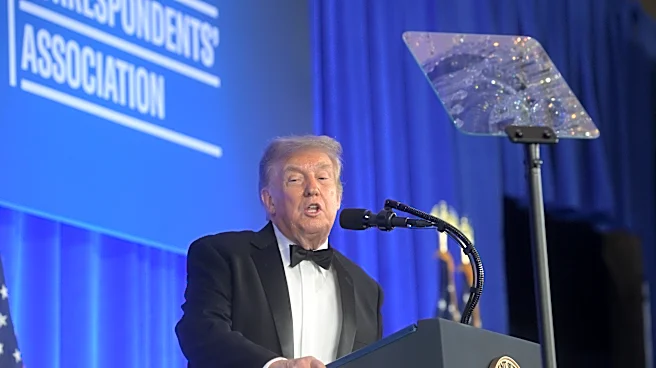
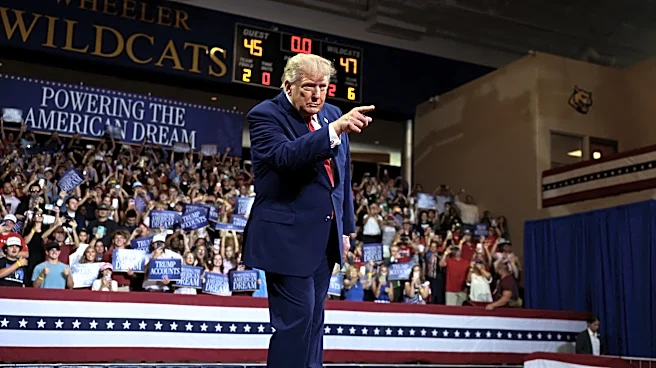
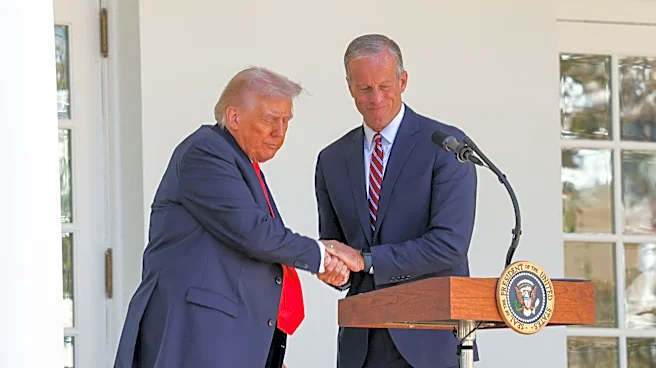
with Republicans and Democrats deploying their own observers to monitor the elections. This development follows claims by President Trump about vulnerabilities in the election system, which he argues expose it to hacking and foreign interference. Voting rights advocates express concern that the increased presence of partisan poll watchers could lead to voter intimidation, particularly among minority groups. The situation is further complicated by recent court decisions that have weakened the Voting Rights Act, potentially exacerbating the risk of voter suppression.
Why It's Important?
The heightened presence of poll watchers and observers reflects the growing polarization and mistrust in the electoral process. This development could impact voter confidence and participation, particularly if voters perceive the presence of poll watchers as intimidating. The situation underscores the ongoing debates about election integrity and the balance between ensuring security and protecting voter rights. The outcome of the midterm elections could be influenced by these dynamics, with potential implications for future electoral reforms and the political landscape.
What's Next?
As the midterm elections approach, both political parties are likely to continue their efforts to monitor the electoral process, potentially leading to increased tensions at polling places. Voting rights organizations may intensify their efforts to educate voters and ensure that the presence of poll watchers does not deter participation. The situation may prompt further legal and legislative actions aimed at addressing concerns about voter intimidation and ensuring fair and transparent elections.