






What's Happening?
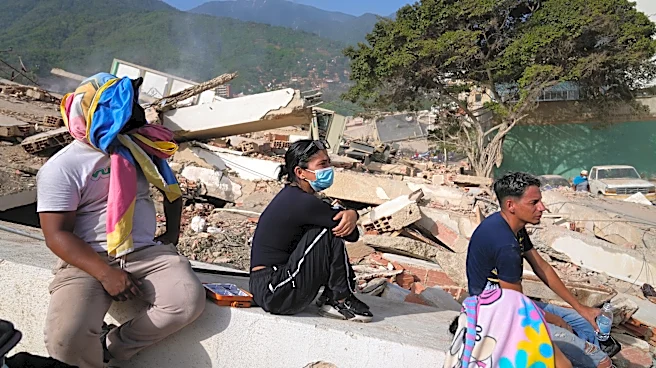
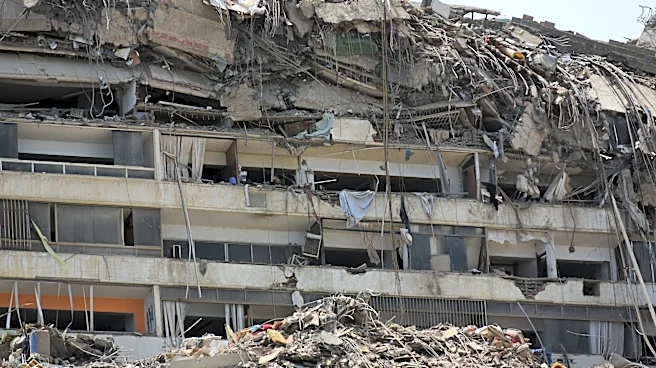
Google's Earthquake Alerts system, integrated into Android smartphones, successfully notified millions of users in Venezuela before two powerful earthquakes struck the region. The first earthquake registered a magnitude of 7.2, followed by a second, more
intense quake at 7.5, marking the strongest seismic activity in Venezuela since 1900. The alert system, which utilizes data from over two billion Android devices equipped with accelerometers, provided early warnings to approximately 11.4 million people. This system detects seismic waves and sends alerts to users, allowing them crucial seconds to prepare for the impending tremors. The alerts were part of Google's broader initiative, which began in 2021 and has since expanded to 98 countries, to provide early warnings in regions lacking national alert systems.
Why It's Important?
The deployment of Google's Earthquake Alerts system in Venezuela underscores the critical role of technology in disaster preparedness and response. By providing early warnings, the system potentially mitigates the impact of natural disasters, offering individuals the opportunity to take protective measures. This technological advancement is particularly significant in regions without established early warning systems, enhancing public safety and resilience. The widespread adoption of such systems could lead to a reduction in casualties and property damage during seismic events. Furthermore, the success of this initiative may encourage other tech companies to develop similar solutions, fostering innovation in disaster management and public safety.
What's Next?
As the effectiveness of Google's Earthquake Alerts system becomes more evident, it is likely that more countries will adopt similar technologies to enhance their disaster preparedness strategies. Governments and emergency management agencies may collaborate with tech companies to integrate these systems into national frameworks, ensuring broader coverage and faster response times. Additionally, public awareness campaigns could be launched to educate citizens on how to respond to alerts, maximizing the benefits of early warnings. The continued refinement of these systems, including improvements in accuracy and speed, will be crucial in expanding their impact and reliability.
Beyond the Headlines
The integration of smartphone technology into disaster response highlights a shift towards more decentralized and user-driven alert systems. This approach empowers individuals by providing them with direct access to critical information, reducing reliance on traditional government-operated systems. However, it also raises questions about data privacy and the ethical use of personal information collected by these devices. As these systems become more prevalent, it will be essential to address these concerns, ensuring that technological advancements do not compromise user privacy or security.