

What's Happening?
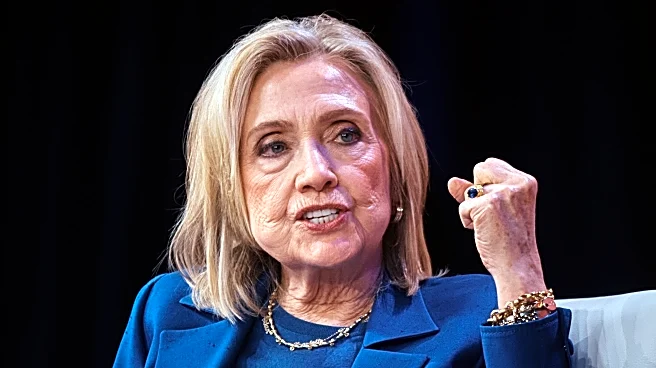
Former Secretary of State Hillary Clinton testified before the House Oversight Committee, denying any personal connection to Jeffrey Epstein. During a six-hour closed-door deposition, Clinton stated she never met Epstein, nor visited his properties or flew
on his plane. The deposition, part of an investigation into Epstein's criminal activities, was marked by Clinton's insistence on her lack of involvement. She criticized the committee's focus, suggesting it should instead scrutinize the federal handling of Epstein's case. Clinton also addressed broader issues of human trafficking, criticizing the Trump administration's approach to combating such crimes. The deposition concluded with unusual questions about conspiracy theories, which Clinton dismissed.
Why It's Important?
The deposition highlights ongoing political tensions and the scrutiny of high-profile figures linked to Epstein. Clinton's testimony underscores the challenges in addressing allegations tied to Epstein's network, which included numerous influential individuals. The focus on Clinton, despite her denials, reflects the political dynamics at play, with Republicans leading the investigation. The broader implications involve the transparency and accountability of public figures in relation to Epstein's crimes. Clinton's criticism of the Trump administration's handling of human trafficking issues also points to policy debates on how such crimes are addressed at the federal level.
What's Next?
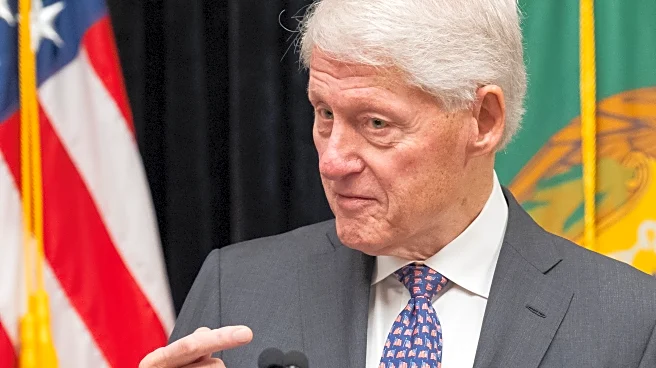
The committee plans to release the deposition transcript pending approval from Clinton's legal team. Former President Bill Clinton is expected to testify next, which may further illuminate the extent of Epstein's connections with political figures. The outcome of these testimonies could influence public perception and political narratives surrounding Epstein's case. The committee's actions and the responses from involved parties will likely continue to shape the discourse on accountability and justice for Epstein's victims.