

What's Happening?
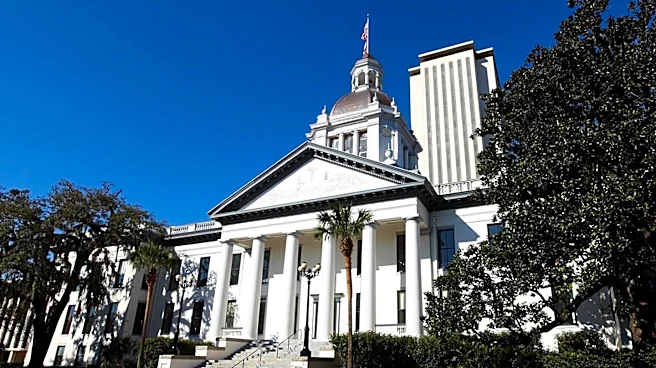
The Florida Department of Health (DOH) has scheduled a public hearing for October 8, 2026, in Lake Mary, Florida, to discuss proposed revisions to Rule 64D-3.046, Florida Administrative Code. These revisions aim to eliminate state requirements for four
specific vaccines—chickenpox (varicella), hepatitis B, pneumococcal conjugate, and haemophilus influenzae type b (hib)—for school and daycare entry. This initiative is part of Surgeon General Joseph Ladapo’s broader effort to promote 'medical freedom' and parental choice, which he has previously linked to ending vaccine mandates. The Florida chapter of the American Academy of Pediatrics (FCAAP) strongly opposes these changes, warning that there is no scientific or medical justification for removing these requirements and that doing so would increase public health risks. Childhood vaccination rates in Florida have already seen a decline, with MMR vaccine coverage for kindergarteners at 88.8% for the 2024-2025 school year, falling below the national average of 93% and the 95% threshold recommended to prevent outbreaks.
Why It's Important?
The proposed changes in Florida carry significant public health implications, particularly given the current national context of rising measles cases and declining immunization rates. Removing vaccine requirements for school entry could further lower vaccination coverage, increasing the vulnerability of children and communities to preventable diseases. The FCAAP highlights that nonmedical exemptions, even when infrequently exercised, weaken collective immunity and protection against dangerous diseases. A study from the University of Maryland suggests that if MMR vaccination mandates were eliminated, childhood vaccination coverage could drop significantly, potentially leading to widespread measles outbreaks within 3 to 5 years. This situation could strain healthcare systems and result in increased illness and mortality, especially among susceptible populations. The debate also underscores a broader national tension between individual 'medical freedom' and public health mandates, with Florida's actions potentially influencing similar discussions in other states.
What's Next?
The public hearing on October 8, 2026, will allow Floridians to voice their opinions on the proposed rule changes. Following this, the Florida Department of Health will consider the feedback before making a final decision on the revisions to Rule 64D-3.046. While the current proposal focuses on four specific vaccines, the broader initiative by Surgeon General Ladapo suggests a continued push towards reducing vaccine mandates. The Florida chapter of the American Academy of Pediatrics and other public health advocates are expected to continue their opposition, emphasizing the scientific consensus on vaccine efficacy and the importance of herd immunity. The outcome of this hearing and the DOH's subsequent decision could set a precedent for future vaccine policies in Florida and potentially influence legislative efforts regarding other vaccine requirements, such as the MMR vaccine, which can only be changed by state legislation.
Beyond the Headlines
This situation in Florida reflects a growing national trend of vaccine hesitancy and a political movement advocating for increased 'medical freedom,' often at odds with established public health guidelines. The rhetoric employed by Surgeon General Ladapo, likening vaccine mandates to 'slavery,' highlights the deeply polarized nature of this debate. Beyond the immediate health risks of declining vaccination rates, such policies can erode public trust in scientific institutions and medical professionals. The potential for widespread outbreaks of preventable diseases like measles could disproportionately affect vulnerable populations, including infants too young to be vaccinated and individuals with compromised immune systems. This also raises ethical questions about the balance between individual autonomy and the collective responsibility to protect public health, potentially leading to long-term shifts in how vaccine policies are formulated and enforced across the United States.