


What's Happening?
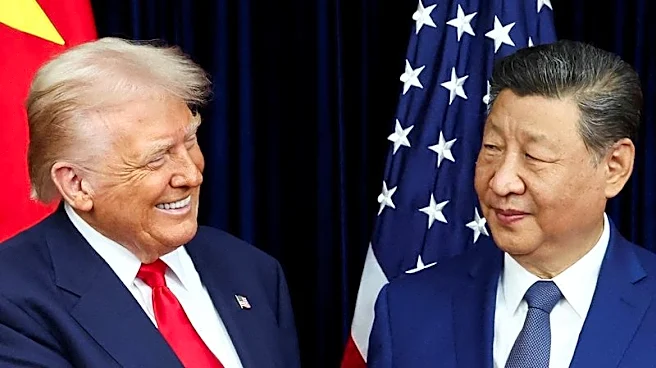
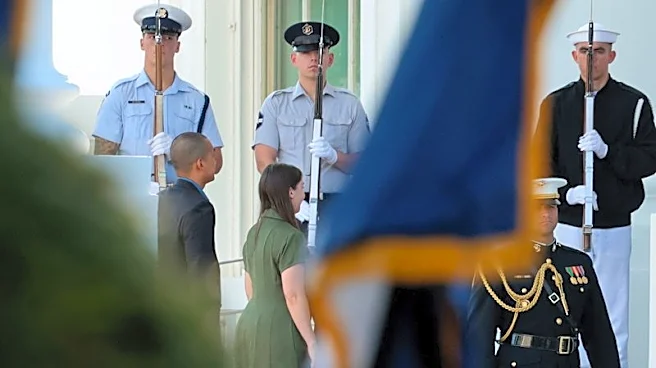
Dennis Wilder, a former senior U.S. intelligence official and acting special assistant to the president and senior director for Asian affairs on the National Security Council in 2006, shared insights into the complexities of organizing a state visit for a Chinese
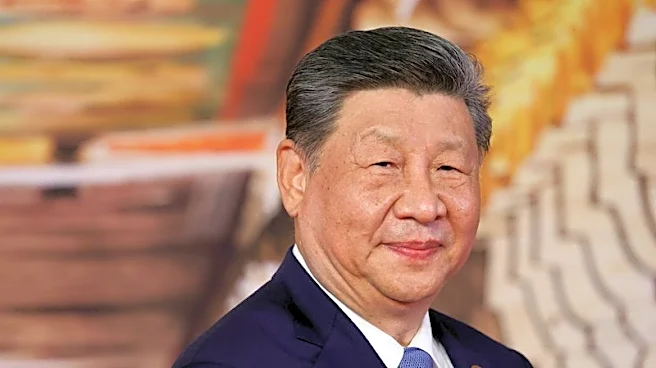
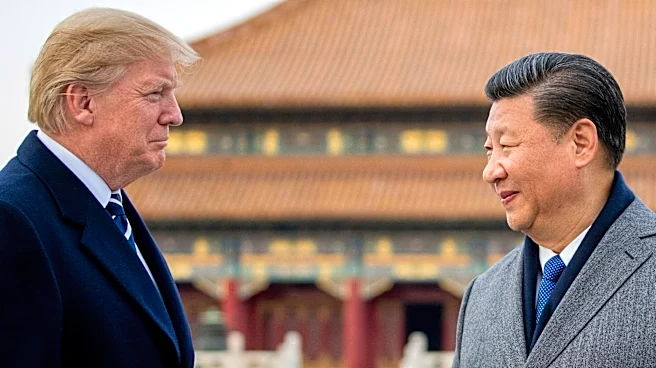
leader to the U.S. His reflections come as Chinese President Xi Jinping's state visit to the U.S. on September 24 approaches. Wilder recounted his experience with then-President Hu Jintao's 2006 White House visit, highlighting the significant logistical and diplomatic challenges involved. He noted that Beijing had been pressing for the state visit following a successful four-nation Asian tour by President George W. Bush, which included a stop in China. During that earlier trip, President Bush emphasized religious tolerance by attending a Protestant church service and engaged in a mountain bike ride with Chinese Olympic aspirants, which was well-received in the Chinese press.
Why It's Important?
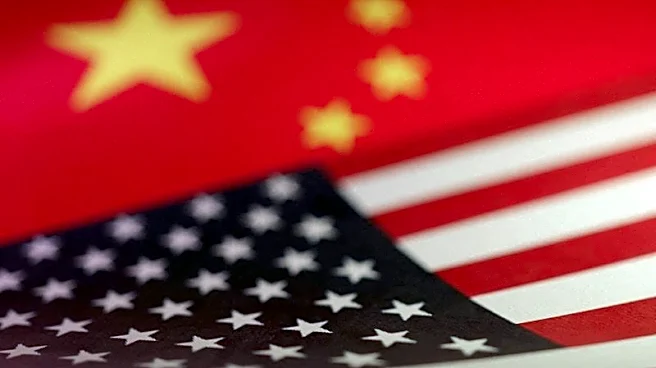
The successful organization of high-level diplomatic visits, particularly between the U.S. and China, is crucial for maintaining stable international relations and addressing global issues. These visits serve as platforms for direct communication between leaders, allowing for discussions on critical topics such as trade, security, and human rights. The intricate planning and execution involved underscore the delicate balance of protocol, political messaging, and cultural understanding required in international diplomacy. The experiences shared by former officials like Dennis Wilder provide valuable lessons for current and future administrations in navigating the complexities of U.S.-China relations, ensuring that such engagements are productive and avoid potential diplomatic missteps. The outcomes of these summits can influence economic policies, regional stability, and international cooperation.
What's Next?
As Chinese President Xi Jinping's state visit to the U.S. on September 24 approaches, the insights from past diplomatic efforts will likely inform the current administration's preparations. The focus will be on ensuring a smooth and productive visit that addresses contemporary U.S.-China issues. Both sides will aim to manage expectations and present a unified front on areas of mutual interest, while also navigating points of contention. The visit will likely involve discussions on trade relations, geopolitical stability, and climate change, among other topics. The success of this visit could set the tone for future interactions between the two global powers, potentially leading to new agreements or further dialogue on unresolved matters. The media will closely monitor the proceedings for any signs of progress or tension.
Beyond the Headlines
The meticulous planning behind state visits extends beyond mere logistics; it involves a deep understanding of cultural nuances and political sensitivities. The anecdote of President Bush attending a church service and participating in a mountain bike ride illustrates how seemingly small gestures can carry significant diplomatic weight, fostering goodwill and shaping public perception. These events are carefully choreographed to convey specific messages and build personal rapport between leaders, which can be instrumental in de-escalating tensions or forging alliances. The challenges faced by officials like Dennis Wilder highlight the immense pressure and responsibility involved in orchestrating such high-stakes diplomatic encounters, where every detail can have broader implications for international relations and national interests.