




What's Happening?
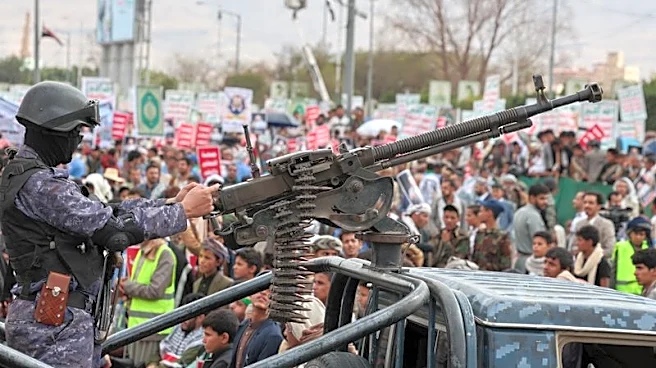
Saudi Arabia's oil exports are facing significant challenges due to ongoing regional tensions and attacks by Iran-backed Houthi forces. The East-West Pipeline, a critical conduit for Saudi oil, has been targeted, and the Bab el-Mandeb Strait, a key shipping
route, is under threat. These developments have forced Saudi Arabia to explore alternative routes and strategies to maintain its oil exports. The situation has led to increased costs for shipping and insurance, as well as potential disruptions in global oil supply. The conflict has also raised concerns about the security of Saudi oil infrastructure and the potential for further escalation.
Why It's Important?
The challenges facing Saudi oil exports have significant implications for global energy markets. Disruptions in Saudi oil supply can lead to increased oil prices, affecting global economic stability. The situation highlights the vulnerability of key oil infrastructure to geopolitical tensions and the potential for regional conflicts to impact global energy security. The increased costs associated with alternative shipping routes and heightened insurance premiums could further strain the global oil market. The conflict also underscores the importance of diplomatic efforts to resolve regional tensions and ensure the stability of global energy supply chains.
What's Next?
The future of Saudi oil exports will depend on the resolution of regional tensions and the ability to secure key shipping routes. Continued attacks by Houthi forces could lead to further disruptions and increased costs for Saudi oil exports. Diplomatic efforts to de-escalate tensions and secure key shipping routes will be crucial in maintaining global energy stability. The involvement of international actors, including the United States and regional allies, will play a key role in shaping the outcome. The potential for further escalation remains a concern, with implications for global energy security and economic stability.