







What's Happening?
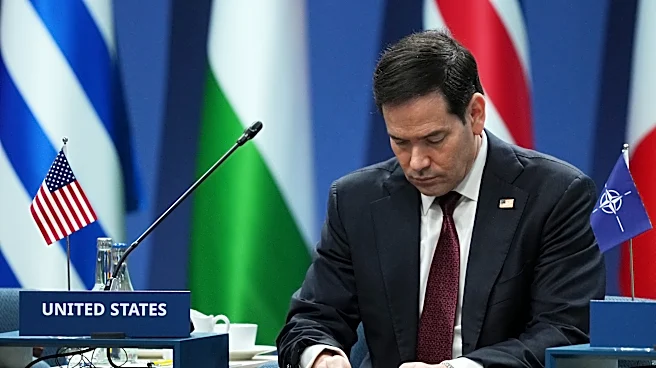
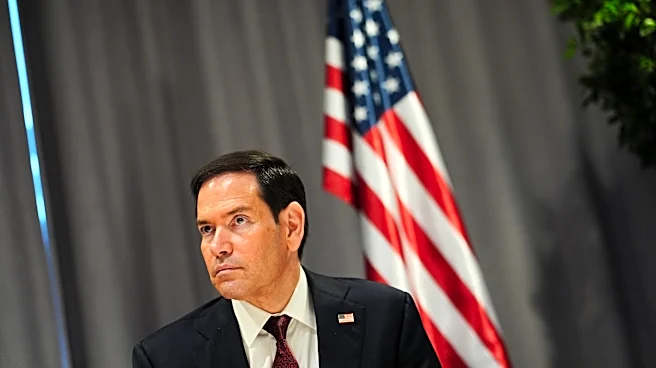
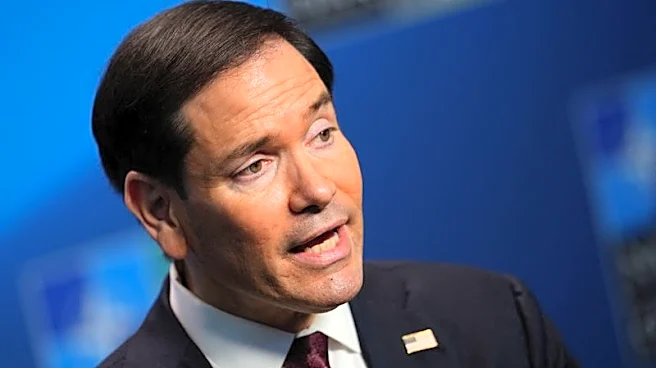
Marco Rubio, a prominent U.S. political figure, has emphasized President Trump's dissatisfaction with NATO allies for their lack of active involvement in military actions against Iran. This issue is expected to be a significant topic at the upcoming NATO summit
in July, which Rubio describes as potentially one of the most important in the alliance's history. The U.S. has been urging NATO countries to assist in keeping the Strait of Hormuz open, a strategic waterway crucial for global oil shipments, amid ongoing tensions with Iran. Despite these calls, many NATO members have been reluctant to engage militarily, leading to a rift that Rubio believes needs to be addressed at the leadership level. The U.S. has also announced plans to adjust its troop presence in Europe, reflecting broader global commitments, although the specifics remain unclear.
Why It's Important?
The upcoming NATO summit is critical as it addresses the growing divide between the U.S. and its European allies over military strategy in the Middle East. President Trump's disappointment with NATO's response to Iran highlights a potential shift in U.S. foreign policy priorities and military commitments. This situation could lead to changes in how NATO operates and its future strategic direction. The U.S. troop adjustments in Europe could impact the alliance's military readiness and its ability to respond to threats. Additionally, the reluctance of NATO members to engage in military actions against Iran could strain diplomatic relations and affect future collaborations on security issues.
What's Next?
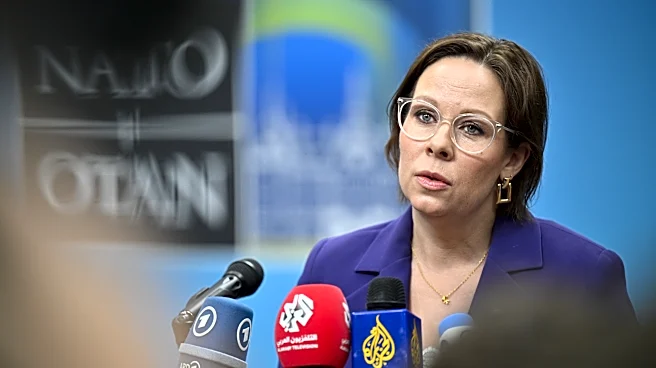
The NATO summit in July will likely focus on resolving the differences between the U.S. and its allies regarding military strategies in the Middle East. Discussions may include finding a consensus on how to handle the situation in the Strait of Hormuz and addressing the broader implications of U.S. troop adjustments in Europe. The outcome of these discussions could influence future NATO operations and the alliance's cohesion. Stakeholders, including political leaders and military officials, will need to navigate these complex issues to maintain the alliance's effectiveness and unity.
Beyond the Headlines
The tensions between the U.S. and NATO allies over Iran could have long-term implications for international relations and global security. The U.S.'s shifting military focus may lead to a reevaluation of its commitments to NATO and other international alliances. This situation also raises questions about the future of multilateral military cooperation and the role of NATO in addressing global security challenges. The reluctance of European allies to engage in military actions could signal a broader trend towards more cautious foreign policies, potentially affecting global power dynamics.