





What's Happening?
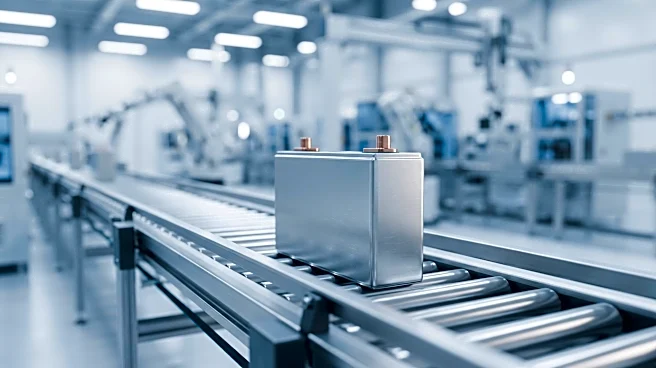
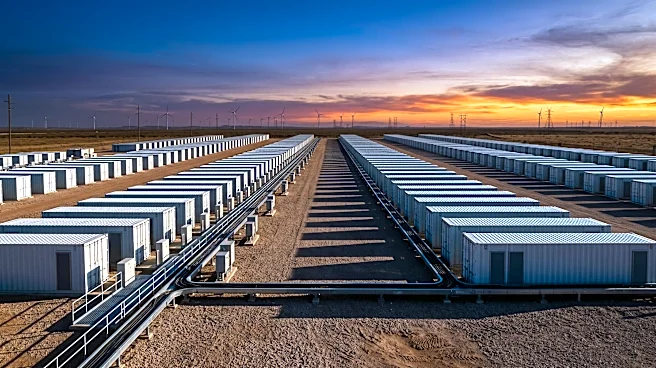
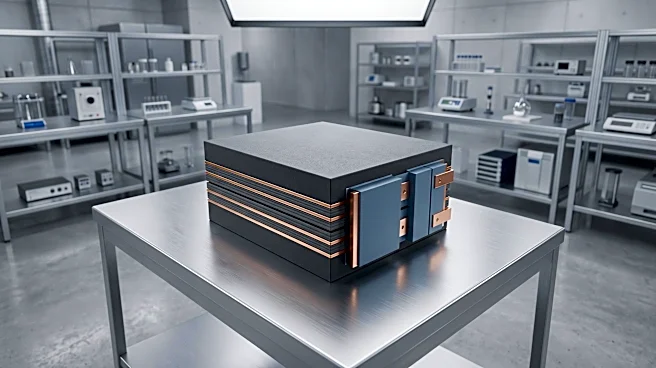
The cost of lithium-ion battery packs has significantly decreased, making grid-scale energy storage economically viable in numerous markets. This trend is a key driver for the expansion of renewable energy infrastructure, as batteries can store power
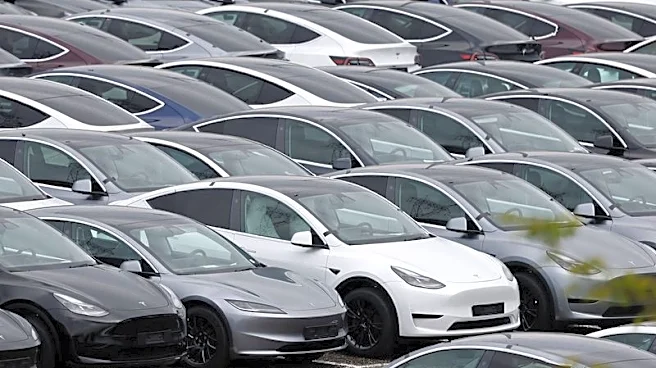
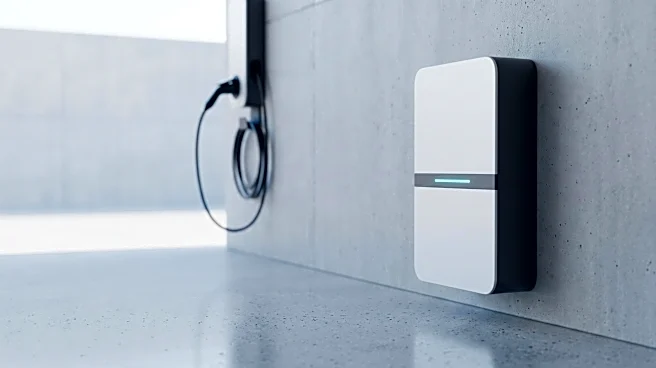
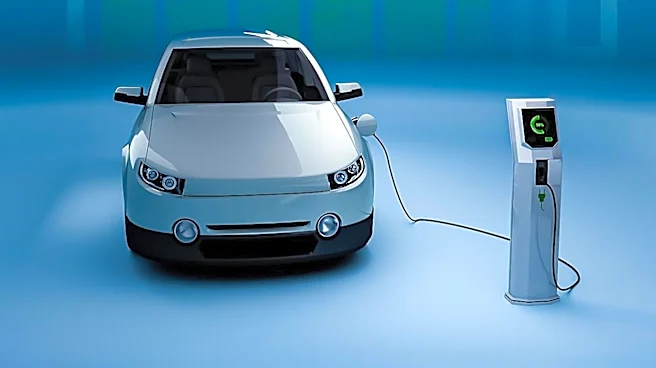
generated from intermittent sources like solar and wind for later use. The falling costs also support the increasing adoption of electric vehicles (EVs) and the development of home battery solutions. Beyond grid stability and EV integration, lithium-ion batteries are becoming crucial for data center backup power and are seeing advancements in new chemistries such as LFP (lithium iron phosphate) and sodium-ion. Companies like CATL, BYD, Tesla (with its Megapack), Fluence Energy, LG Energy Solution, and Samsung SDI are prominent players in this evolving battery storage market. Additionally, lithium producers such as Albemarle and SQM are integral to the supply chain, with ETFs like the Global X Lithium & Battery Tech ETF (LIT) offering broad market exposure.
Why It's Important?
The economic viability of grid-scale battery storage, driven by reduced lithium-ion pack costs, is critical for the U.S. energy landscape. It directly supports the integration of renewable energy sources into the national grid, enhancing energy independence and reducing reliance on fossil fuels. This shift has significant implications for utility companies, energy producers, and consumers, potentially leading to more stable and affordable electricity. For the automotive industry, lower battery costs accelerate the transition to electric vehicles, impacting manufacturing, infrastructure development (charging stations), and consumer choices. Furthermore, the demand for lithium and other raw materials will continue to shape global supply chains and resource management strategies, affecting U.S. companies involved in mining, processing, and battery manufacturing. The growth in data centers, which require reliable backup power, also underscores the importance of these advancements for the nation's digital infrastructure.
What's Next?
Looking ahead, the continued decline in lithium-ion battery costs is expected to further accelerate the deployment of grid-scale storage and EV adoption across the U.S. This will likely lead to increased investment in renewable energy projects, as the economic case for pairing them with storage becomes even stronger. Research and development into new battery chemistries, such as LFP and sodium-ion, will continue, potentially offering more cost-effective and sustainable alternatives. Policy initiatives and incentives from federal and state governments are anticipated to further support battery manufacturing and deployment, aiming to bolster domestic supply chains and reduce dependence on foreign sources. The expansion of EV charging infrastructure will also be a critical next step to accommodate the growing number of electric vehicles on U.S. roads. Additionally, the energy demands of artificial intelligence data centers will likely drive further innovation and investment in battery backup solutions.
Beyond the Headlines
The widespread adoption of advanced battery storage technologies, fueled by falling costs, has profound implications beyond immediate economic and environmental benefits. It represents a fundamental shift in how energy is generated, stored, and consumed, moving towards a more decentralized and resilient energy system. This transformation could empower communities with greater energy independence and reduce vulnerability to grid failures. Ethically, the sourcing of critical minerals like lithium raises concerns about environmental impact and labor practices, prompting a push for more sustainable mining and recycling methods. Culturally, the transition to EVs and renewable energy sources signifies a broader societal commitment to combating climate change and fostering a greener future. The long-term shift could also redefine geopolitical dynamics, as nations vie for control over essential raw materials and advanced manufacturing capabilities in the battery sector.