






What's Happening?
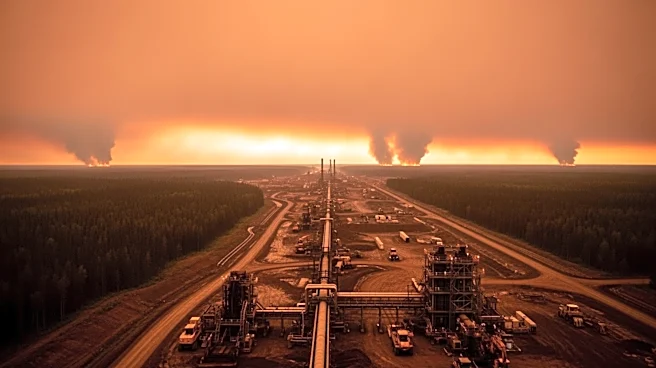
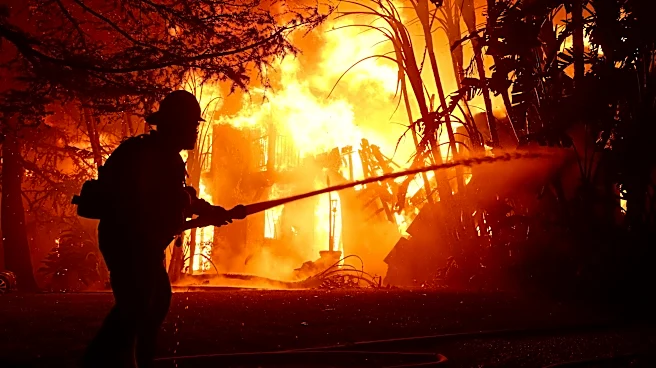
Wildfire season has returned to Canada's oil sands region, posing significant risks to communities, workers, and the oil industry. As of Sunday, seven active wildfires were reported in the Fort McMurray and Lac La Biche areas of northern Alberta. These
fires are within close proximity to major oil sands sites, including Cenovus Energy's Christina Lake and Canadian Natural Resources' Jackfish. Although no significant disruptions to oil operations have occurred this year, the threat remains high due to warm and dry conditions. An evacuation alert for the small community of Conklin was lifted after forecasts predicted heavy rain, which is expected to aid firefighting efforts. Historically, wildfires have been a recurring threat in this region, with past incidents leading to substantial reductions in oil production. In 2016, a massive wildfire forced the evacuation of thousands of workers and reduced oil output by a million barrels per day.
Why It's Important?
The recurrence of wildfires in Canada's oil sands region underscores the ongoing challenges posed by climate change and its impact on the oil industry. As the world's fourth-largest oil producer, disruptions in Canada's oil output can have significant implications for global oil markets and prices. The potential for reduced production due to wildfires adds uncertainty to the industry's forecasts, affecting investors and stakeholders. Additionally, the threat to communities and workers highlights the need for effective emergency response and mitigation strategies. The situation also raises broader environmental concerns, as increased wildfire activity is linked to climate change, necessitating urgent action to address its root causes.
What's Next?
With the wildfire risk remaining 'extreme' in the Fort McMurray area, ongoing monitoring and preparedness are crucial. Fire officials and oil companies will likely continue to assess the situation and implement measures to protect both human lives and oil production facilities. The industry may need to consider long-term strategies to mitigate the impact of wildfires, such as investing in fire-resistant infrastructure and enhancing emergency response capabilities. Additionally, the Canadian government and environmental agencies may increase efforts to address climate change and its effects on wildfire frequency and intensity.