






What's Happening?
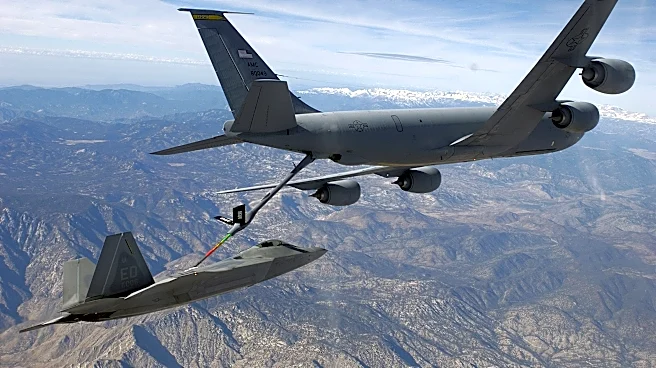
The U.S. Air Force has announced a new strategic framework, Force Design 2026, which updates its previous standards from 2024. This new design represents a fundamental shift in the Air Force's approach to airpower, moving beyond traditional methods of
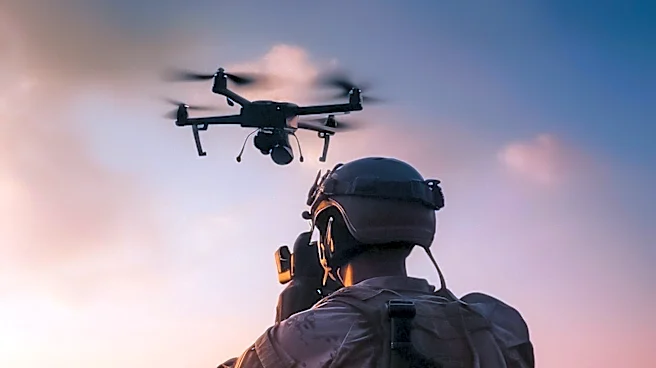
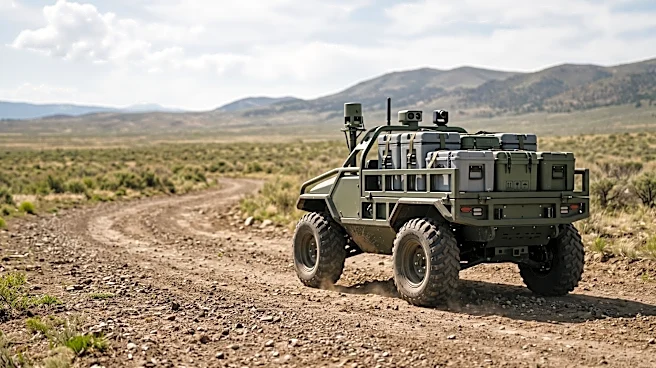
intercepting and destroying individual drones. While the document itself is classified, official statements indicate a strong focus on integrating autonomy, advanced sensors, and sophisticated command and control systems with aircraft. This shift is driven by the rapid impact of new technologies, including artificial intelligence and enhanced networking capabilities, which are both enabling new capabilities and posing threats to historical airpower generation. The Air Force aims to enhance its ability to operate synchronously in denied environments, prioritizing software and sensor-based solutions.
Why It's Important?
This strategic pivot by the U.S. Air Force signifies a critical adaptation to the evolving landscape of modern warfare and technology. By emphasizing autonomy and sensors, the Air Force is acknowledging that future conflicts will increasingly rely on sophisticated technological integration rather than sheer numerical superiority or traditional combat methods. This shift will likely drive significant investment in research and development within the defense technology sector, benefiting companies specializing in AI, sensor technology, and advanced networking. It also implies a potential restructuring of training and operational doctrines for Air Force personnel, requiring new skill sets focused on managing autonomous systems and interpreting complex sensor data. The focus on operating in 'denied environments' suggests a proactive stance against adversaries with advanced electronic warfare capabilities, aiming to maintain air superiority even when traditional communication and navigation systems are compromised.
What's Next?
The implementation of Force Design 2026 will likely involve a phased approach to modernizing Air Force assets and training protocols. Expect increased collaboration between the Air Force and private sector technology firms to develop and integrate the necessary AI, sensor, and autonomy solutions. This could lead to new procurement contracts and partnerships. The classified nature of the document suggests that specific details of its execution will remain undisclosed, but the overarching direction points to a continuous push for technological superiority. Future Air Force exercises and deployments will likely incorporate these new capabilities, testing their effectiveness in real-world scenarios and refining operational strategies. The emphasis on 'generating effects' rather than solely 'intercepting and destroying' indicates a move towards more nuanced and technologically driven airpower applications.
Beyond the Headlines
The Air Force's embrace of autonomy and AI raises profound ethical and operational questions. The increasing reliance on autonomous systems in warfare necessitates careful consideration of decision-making processes, accountability, and the potential for unintended consequences. The shift from human-centric to more machine-assisted airpower could redefine the role of human pilots and ground crews, potentially leading to a smaller, more specialized workforce. Furthermore, the focus on operating in 'denied environments' highlights the growing cyber warfare dimension of modern conflict, where control over information and electronic spectrums is as crucial as physical dominance. This strategic evolution could set a precedent for other branches of the U.S. military and international defense forces, influencing global military modernization trends and the future of warfare itself.