







What's Happening?
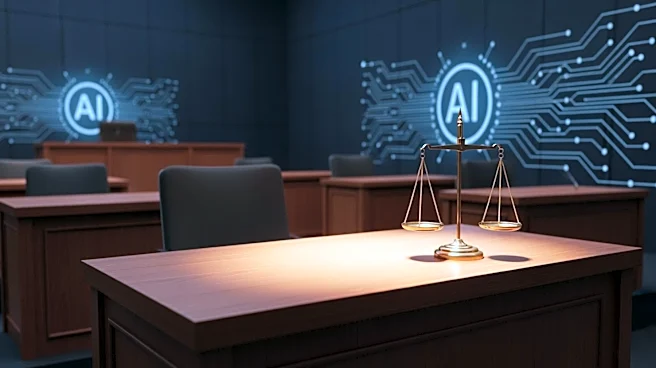
Several U.S. states are contemplating legislation to ban legal personhood for artificial intelligence (AI) systems. This move comes amid debates on how to hold AI accountable for actions that may cause harm, such as advising on illegal activities. Legal
scholars and lawmakers are exploring the implications of granting AI legal status, which could allow AI to be sued or own property. However, concerns about moral culpability and the potential for shifting human responsibility to AI are driving efforts to prevent such legal recognition. The discussion reflects broader ethical and legal challenges as AI becomes more integrated into society.
Why It's Important?
The consideration of legal personhood for AI raises significant ethical and legal questions about accountability and responsibility in the age of advanced technology. As AI systems become more autonomous, determining liability for their actions becomes increasingly complex. The potential for AI to be held legally accountable could reshape how companies and individuals interact with these technologies. However, the risk of diminishing human responsibility and the philosophical implications of granting AI legal status necessitate careful consideration. This debate is crucial as it could influence future regulations and the development of AI technologies.