
What's Happening?
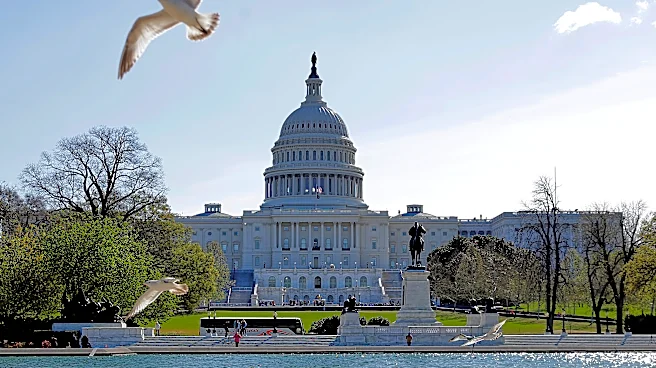
The U.S. House of Representatives has voted to extend temporary protected status (TPS) for Haitians, countering the Trump administration's efforts to terminate the program. This decision, supported by
ten Republicans alongside Democrats, aims to allow approximately 350,000 Haitian immigrants to remain in the U.S. without the threat of deportation for an additional three years. The TPS program is designed for nationals from countries experiencing severe conditions such as armed conflict or environmental disasters. The vote was facilitated by a discharge petition, a legislative tool that bypasses the House speaker to bring a bill to the floor. The move highlights a rare instance of bipartisan cooperation against President Trump's stricter immigration policies.
Why It's Important?
This legislative action underscores the ongoing debate over U.S. immigration policies, particularly concerning humanitarian protections. The extension of TPS for Haitians is significant for communities heavily reliant on Haitian immigrants, especially in sectors like healthcare. The decision reflects a broader political divide, with some Republicans breaking ranks to support immigrant protections. This development could influence future immigration policy discussions and legislative actions, potentially affecting the lives of hundreds of thousands of immigrants and the industries that depend on them. The outcome also signals a potential shift in the political landscape, as it demonstrates a willingness among some GOP members to challenge the administration's stance on immigration.
What's Next?
The bill now faces an uncertain future in the Senate, where it must pass to become law. The Trump administration has appealed to the Supreme Court to end TPS for Haitians, with arguments scheduled soon. The outcome of these proceedings will be crucial in determining the program's fate. Meanwhile, immigration advocates and industries reliant on Haitian workers are likely to continue lobbying for the program's extension. The decision could also prompt further legislative efforts to address immigration policy comprehensively, potentially leading to broader reforms.