



What's Happening?
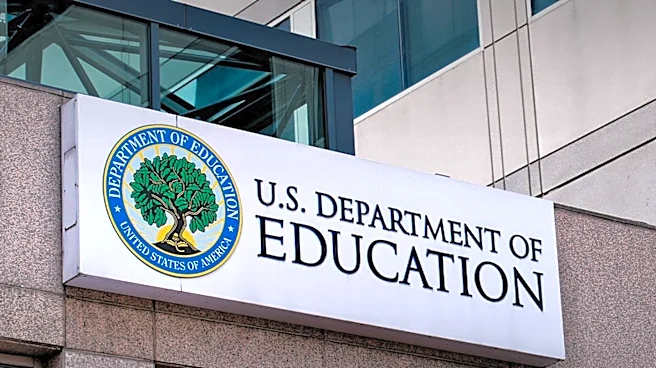
Johns Hopkins University President Ron Daniels has played a significant role in shaping a new higher education framework under the Trump administration. This framework, released recently, calls for universities to hire more conservative faculty, lower
tuition, and address grade inflation, among other reforms. Despite the Trump administration's previous policies that negatively impacted Johns Hopkins, such as canceling federal research grants and revoking student visas, Daniels has engaged with the administration to promote viewpoint diversity in academia. The framework, spearheaded by Education Secretary Linda McMahon, encourages universities to commit to merit-based admissions, free speech, and safeguarding research integrity. Daniels, along with other university leaders, provided feedback to the administration, aiming to enhance transparency and accountability in higher education.
Why It's Important?
The collaboration between President Daniels and the Trump administration highlights a significant intersection of politics and academia. The proposed reforms could reshape the landscape of higher education in the U.S., potentially affecting funding, faculty composition, and institutional policies. By advocating for conservative faculty hiring and other changes, the framework may influence the ideological balance within universities. This initiative also reflects broader societal debates about the role of higher education, public trust, and the perceived political agendas of academic institutions. The outcome of these reforms could impact students, faculty, and the public's perception of higher education, potentially altering the future of academic governance and funding.
What's Next?
Johns Hopkins University plans to release an official response to the Trump administration's call to action after consulting with its community members and stakeholders. The framework is non-binding, but universities are encouraged to publicly outline their commitments to the proposed reforms. The response from academic institutions and their governing bodies will be crucial in determining the extent of these reforms' implementation. Faculty and academic leaders may engage in discussions and debates about the framework's implications, potentially influencing future policy decisions. The reaction from the academic community, including faculty governance channels, will play a significant role in shaping the trajectory of these proposed changes.
Beyond the Headlines
The involvement of President Daniels in crafting the Trump administration's higher education framework raises questions about the balance between academic freedom and political influence. The framework's emphasis on conservative faculty hiring and other reforms may spark debates about intellectual diversity and the role of universities in fostering diverse viewpoints. Additionally, the framework's focus on transparency and accountability could lead to increased scrutiny of university policies and practices. The long-term impact of these reforms on the academic landscape, including potential shifts in funding priorities and institutional autonomy, remains to be seen.