





What's Happening?
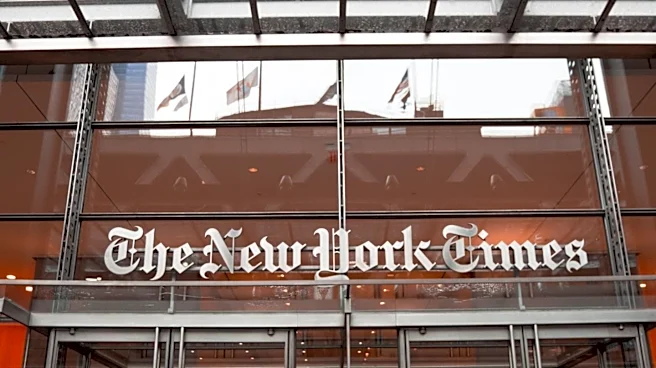
Attorneys representing former Alabama basketball player Kai Spears have requested a jury to award him $15 million in damages in a defamation lawsuit against the New York Times Co. The jury has begun deliberations in the high-profile trial. The lawsuit stems
from a March 15, 2023, article published by the New York Times that allegedly implicated Spears in a fatal shooting. The article claimed Spears was in the passenger seat of former Alabama basketball star Brandon Miller's vehicle during a shooting near the Tuscaloosa Strip, which resulted in the death of 23-year-old Jamea Harris. Spears' attorneys argue that the New York Times relied on a single anonymous source for this information and set an 'artificial deadline' for the story's publication on the eve of the NCAA Men's Basketball Tournament, prioritizing a headline over accuracy. The reporter, Billy Witz, testified and apologized to Spears but largely attributed the error to the anonymous source. Spears' legal team contends that Witz became indignant after being denied a private meeting with the coach and allegedly threatened to question Alabama head coach Nate Oats about 'sensitive information' during a nationally televised press conference.
Why It's Important?
This trial is significant for several reasons, particularly concerning journalistic ethics, the responsibilities of major news organizations, and the potential impact of inaccurate reporting on individuals. A substantial judgment against the New York Times could set a precedent for how news outlets verify information, especially when dealing with anonymous sources and sensitive topics. It highlights the tension between the public's right to information and an individual's right to a truthful representation in the media. For the New York Times, a loss could lead to increased scrutiny of its editorial processes and potentially influence how it approaches reporting on high-profile events, particularly those involving young individuals or athletes. Conversely, a ruling in favor of the New York Times could reinforce the challenges individuals face in proving defamation against powerful media entities. The case also underscores the potential for reputational damage and emotional distress caused by false reporting, especially for public figures or those thrust into the public eye due to unforeseen circumstances.
What's Next?
The jury is currently deliberating on the case. Their decision will determine whether the New York Times is found liable for defamation and, if so, the amount of damages awarded to Kai Spears. Regardless of the verdict, the outcome is likely to be closely watched by legal professionals, media organizations, and the public. If the jury awards the requested damages, it could prompt the New York Times to review its internal policies regarding source verification and editorial deadlines, particularly in fast-paced news environments. Conversely, if the New York Times prevails, it might reinforce existing journalistic practices, though the public discourse around media accountability will likely continue. Appeals are also a possibility, regardless of the initial verdict, which could prolong the legal battle and further shape legal interpretations of defamation in the digital age. The case could also influence how universities and athletic programs manage media interactions during sensitive investigations.
Beyond the Headlines
This trial delves into the deeper implications of media power and its potential to shape public perception and individual lives. The accusation that the New York Times 'chased a headline at the expense of a child' raises ethical questions about the balance between competitive journalism and responsible reporting. It highlights the vulnerability of individuals, particularly those who are not public figures by choice, to the narratives constructed by powerful media outlets. The reliance on anonymous sources, a cornerstone of investigative journalism, is also under scrutiny, prompting a re-evaluation of the safeguards necessary to prevent misinformation. Furthermore, the case touches upon the broader societal impact of 'cancel culture' and the rapid dissemination of information, true or false, in the digital age. The outcome could influence public trust in traditional media and encourage greater transparency from news organizations regarding their reporting methodologies. It also serves as a reminder of the long-lasting consequences of published inaccuracies on an individual's reputation and future opportunities.