




What's Happening?
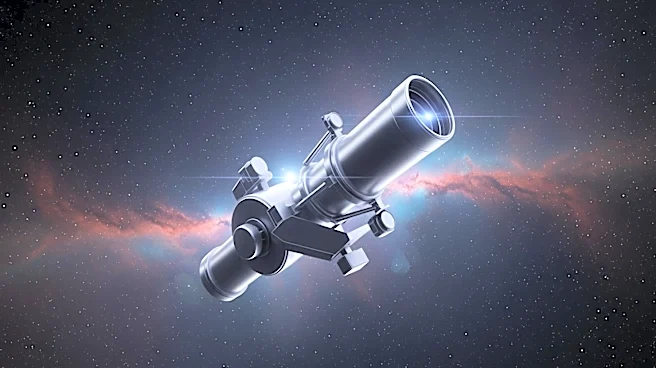
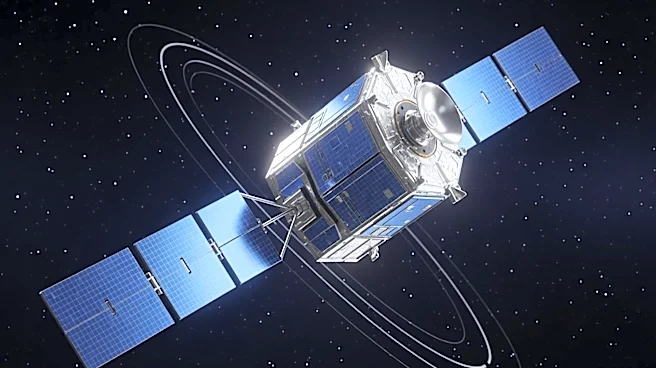
NASA is preparing to unveil its latest space observatory, the Nancy Grace Roman Space Telescope, during a media event on April 21, 2026. This telescope, named after NASA's first chief astronomer, is designed to explore the universe from nearly 1 million
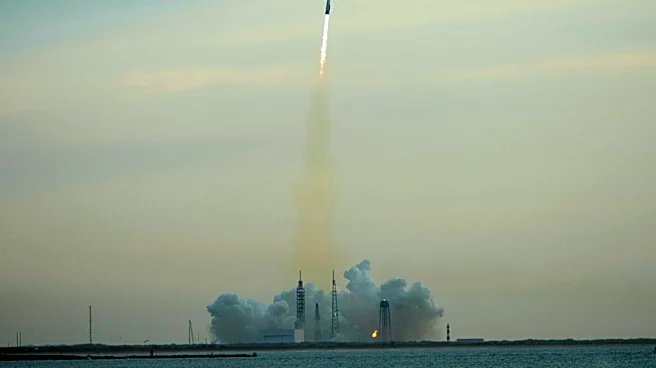
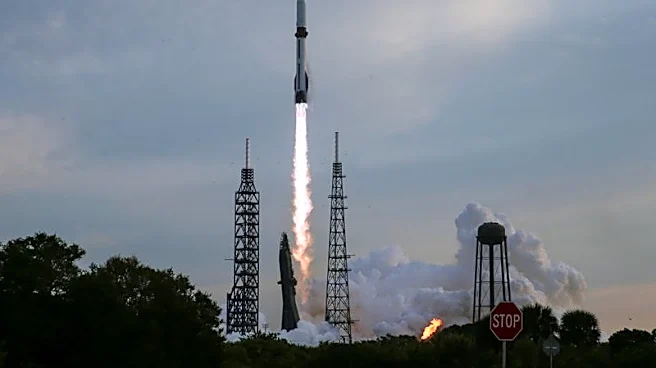
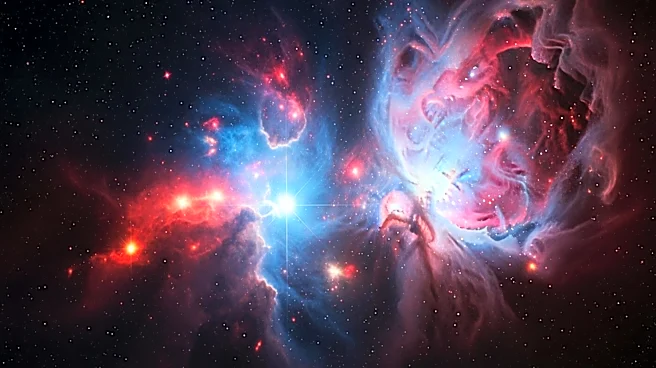
miles away from Earth. It will work in conjunction with other major observatories like the James Webb and Hubble Space Telescopes. The Roman Telescope is equipped with advanced instruments to study dark matter and dark energy, and it aims to reveal hundreds of millions of galaxies. The telescope will be launched aboard a SpaceX Falcon Heavy rocket from the Kennedy Space Center in Florida, with a potential launch window starting in fall 2026.
Why It's Important?
The Nancy Grace Roman Space Telescope represents a significant advancement in astronomical research. By providing a panoramic view of the cosmos, it will enable scientists to discover new celestial objects and phenomena that were previously unknown. This could lead to groundbreaking insights into the nature of dark matter and dark energy, which are critical components of the universe's structure. Additionally, the telescope's ability to discover new exoplanets through gravitational microlensing could enhance our understanding of planetary systems beyond our own, potentially identifying worlds that could support life.
What's Next?
Following its unveiling, the Roman Telescope will undergo final preparations for its launch. The mission is expected to launch between fall 2026 and May 2027, depending on the progress of prelaunch activities. Once operational, the telescope will begin its mission to scan the cosmos, working alongside other observatories to deepen our understanding of the universe. The scientific community eagerly anticipates the data and discoveries that the Roman Telescope will provide, which could reshape our understanding of the cosmos.