





What's Happening?
Evolutionary biologist Beth Shapiro, Chief Scientific Officer at Colossal Biosciences, is at the forefront of de-extinction and gene-editing efforts. Her work focuses on using genetic tools to bring back extinct species or enhance the survival of endangered
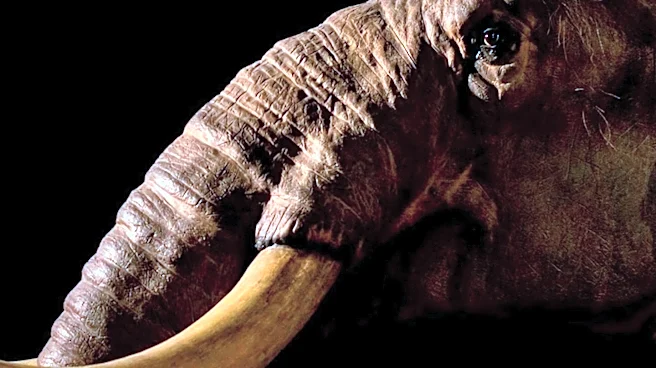
ones. For instance, her team sequenced fossil dire wolf genomes and made 20 genetic edits to a living gray wolf genome to create animals with dire wolf traits. Similarly, they are working on bringing back the woolly mammoth by editing Asian elephant cells. Shapiro emphasizes that the concept of 'species' is a human construct, and the limits of de-extinction are primarily chemical, constrained by the degradation of DNA over time. The oldest recoverable DNA, from a mammoth, is 1 to 2 million years old, making dinosaur de-extinction impossible due to their extinction 66 million years ago.
Why It's Important?
These advancements in gene editing and de-extinction hold significant implications for conservation and our understanding of biology. The ability to reintroduce lost genetic diversity, as seen with the black-footed ferret, or to engineer resistance to diseases, offers powerful new tools for preventing extinction. However, these technologies also raise profound ethical and philosophical questions about human intervention in nature. The creation of animals like the dire wolf, which are not intended for release into the wild, sparks debate about the purpose and consequences of such endeavors. The discussion extends to human gene editing, as exemplified by the 2018 incident in China, highlighting the need for careful consideration of the boundaries and societal impacts of these scientific capabilities.
What's Next?
The field of de-extinction and gene editing is expected to continue its rapid development. Colossal Biosciences and similar organizations will likely pursue further projects aimed at bringing back extinct species or enhancing the resilience of endangered ones. Research will also focus on refining gene-editing techniques to be more precise and safer. The ethical and regulatory frameworks surrounding these technologies will need to evolve to address the complex questions they pose, particularly concerning the release of genetically modified organisms into ecosystems and the potential for human gene editing. Public discourse and scientific consensus will be crucial in shaping the future direction and responsible application of these powerful tools.
Beyond the Headlines
The work of Beth Shapiro and Colossal Biosciences delves into the deeper philosophical question of humanity's role in shaping the natural world. By actively intervening in evolution through de-extinction and gene editing, we are moving beyond traditional conservation methods. This shift forces a re-evaluation of what constitutes 'natural' and the long-term ecological consequences of reintroducing species or traits that have been absent for millennia. The ethical debate extends to the very definition of life and the potential for unintended consequences, such as ecological disruption or the creation of 'designer' organisms. Ultimately, these scientific advancements challenge us to consider not just what is technologically possible, but what is morally and ecologically responsible for the future of biodiversity and our planet.