






What's Happening?
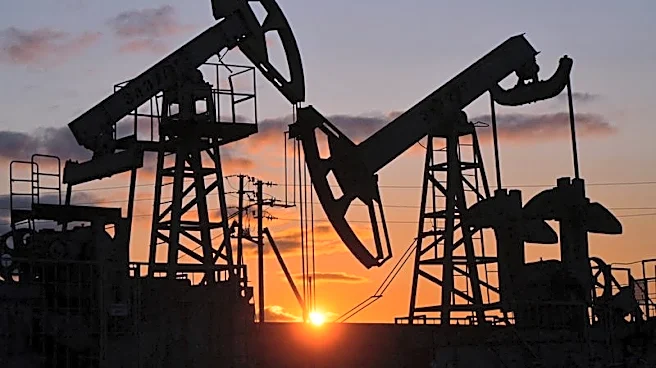
Oil prices have risen sharply due to a standoff between the U.S. and Iran in the Strait of Hormuz, a critical passage for global energy supplies. The price of U.S. crude oil increased by 6.4%, while Brent crude rose by 5.8%. The escalation follows Iran's
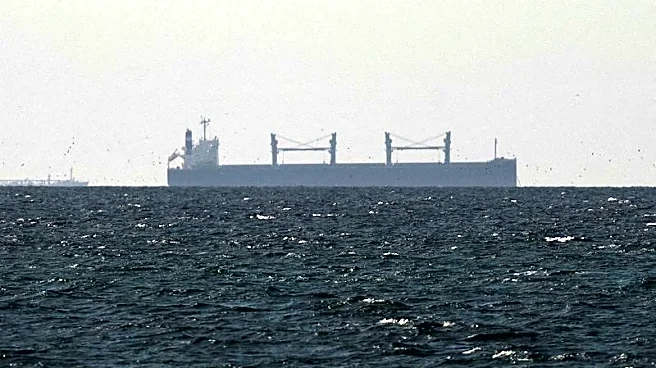
reversal of its decision to reopen the strait, after President Trump announced a U.S. Navy blockade would continue. The ongoing conflict, now in its eighth week, has disrupted oil shipments, contributing to one of the worst global energy crises in decades. Countries reliant on Gulf oil imports are experiencing significant impacts, with rising fuel prices affecting businesses and consumers worldwide.
Why It's Important?
The closure of the Strait of Hormuz has significant implications for global energy markets, as it is a vital route for oil transportation. The conflict between the U.S. and Iran has led to increased volatility in oil prices, affecting economic stability and energy security worldwide. Countries dependent on Middle Eastern oil are facing supply shortages and rising costs, which could lead to broader economic repercussions. The situation underscores the geopolitical risks associated with energy dependence and highlights the need for diversified energy sources and diplomatic solutions to mitigate such crises.
What's Next?
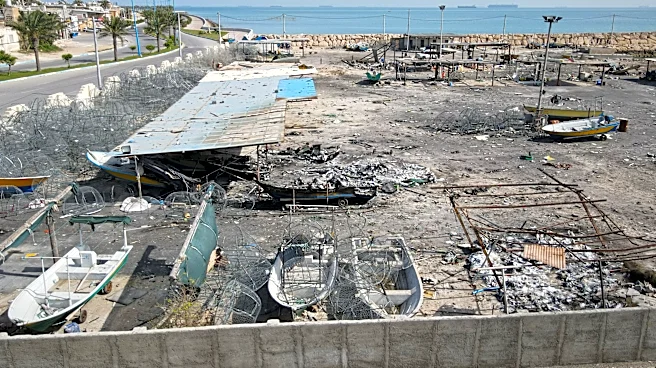
A fragile ceasefire between the U.S. and Iran is set to expire soon, raising concerns about further escalation. Analysts warn that even if the strait is reopened, it may take months for oil shipments to normalize, due to damaged infrastructure and cautious shipowners. The ongoing tensions could lead to prolonged disruptions in oil supply, affecting global fuel prices and economic stability. Diplomatic efforts to resolve the conflict will be crucial in determining the future of energy markets and geopolitical relations in the region.