




What's Happening?
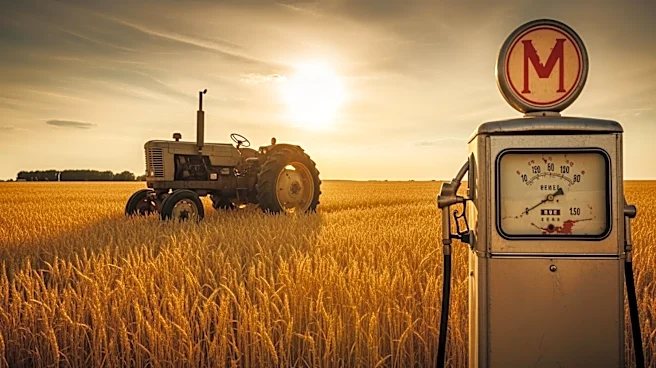
Farmers in Western Colorado are facing increased costs due to rising diesel prices, which have surged to over $5 per gallon in Grand Junction. This increase follows a spike in oil prices linked to geopolitical tensions in the Middle East. Diesel is essential
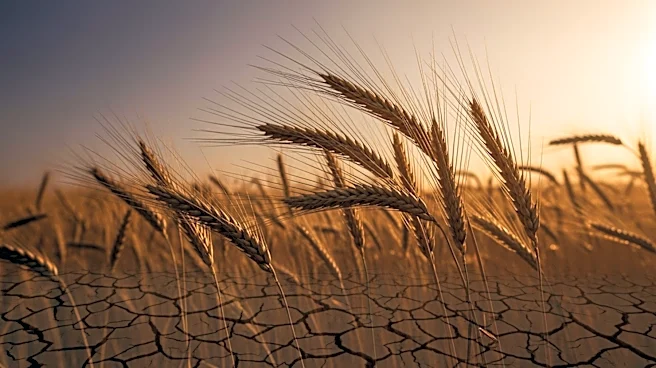
for agricultural operations, including machinery use and transporting goods. Janie VanWinkle from the AgriWest Initiative highlights that these rising costs are a significant concern for producers, affecting both farming and ranching activities. The increased fuel prices add to the financial pressures on the agricultural sector, which is already dealing with challenges such as drought and market fluctuations.
Why It's Important?
The rise in diesel prices poses a substantial challenge for the agricultural sector in Western Colorado, impacting the cost of production and transportation. This situation could lead to higher prices for consumers as farmers struggle to absorb the increased costs. The agricultural industry is a critical component of the local economy, and sustained high fuel prices could threaten its viability. The situation underscores the vulnerability of the agricultural sector to fluctuations in energy prices and highlights the need for strategies to mitigate these impacts, such as exploring alternative energy sources or improving fuel efficiency.
Beyond the Headlines
The ongoing increase in diesel prices may prompt broader discussions about energy policy and its impact on agriculture. There is potential for increased interest in renewable energy solutions and more efficient farming practices to reduce dependency on fossil fuels. Additionally, the situation may lead to policy advocacy for support measures to help farmers cope with rising input costs. The challenges faced by the agricultural sector in Western Colorado reflect broader national and global issues related to energy security and sustainability, emphasizing the interconnectedness of energy markets and agricultural production.