



What's Happening?
A new study from the University of Missouri’s Center for Rural Energy Security indicates that rural areas in the Midwest are experiencing economic benefits from the development of wind and solar energy projects. The research, led by economist Adrienne
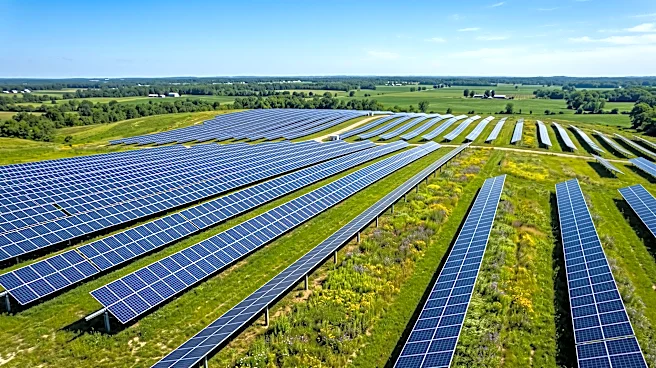
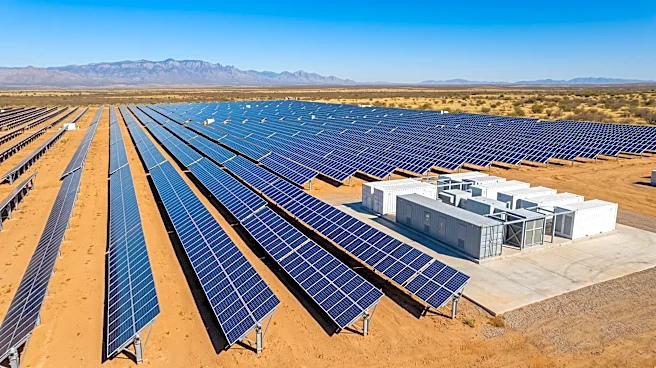
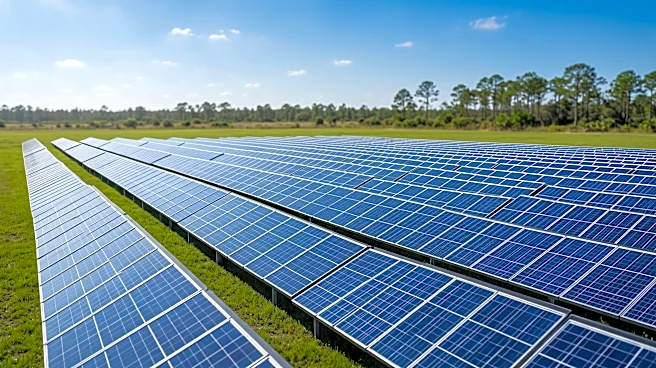
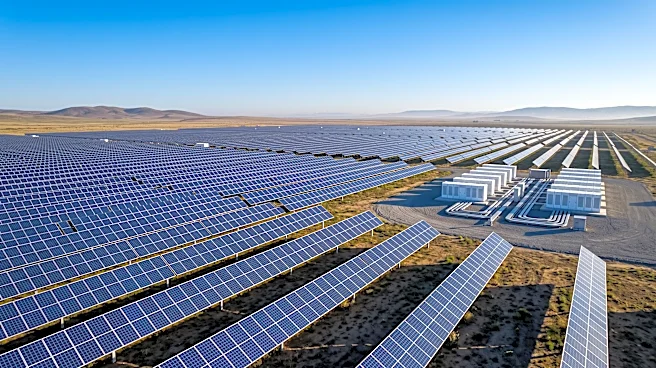
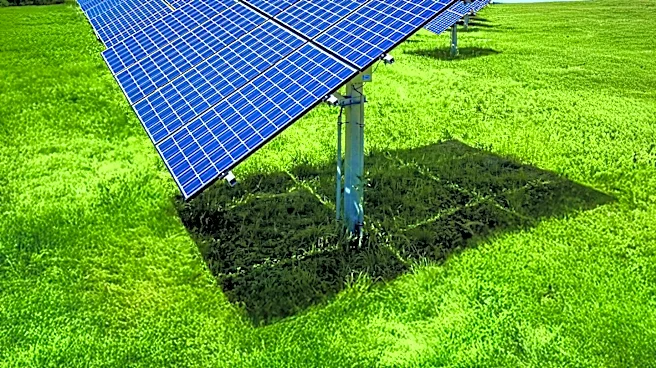
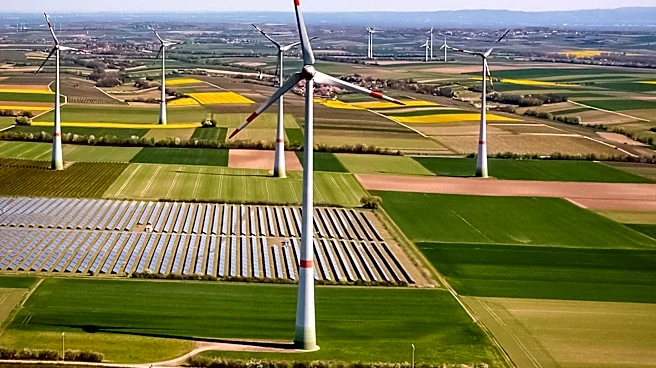
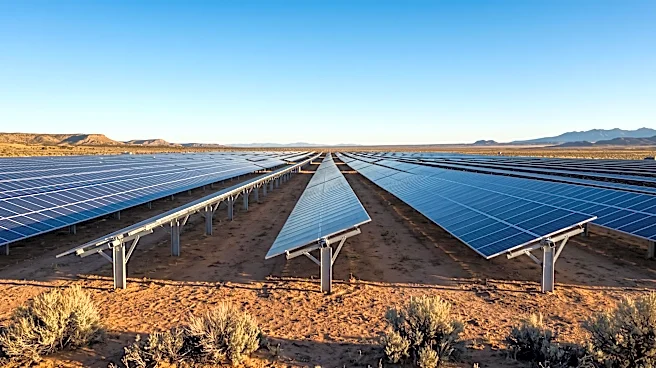
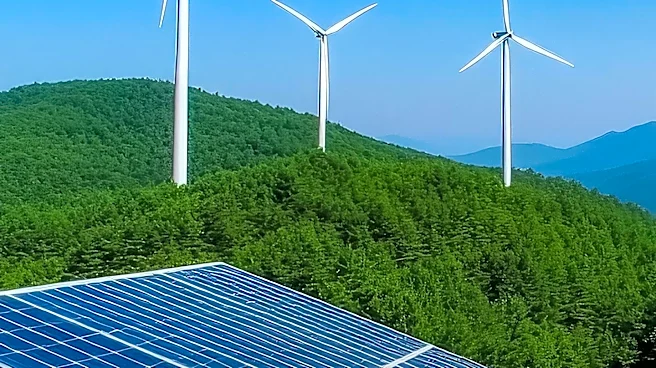
Ohler, compared economic factors in counties with and without renewable power plants between 2001 and 2023. The findings show that counties hosting wind energy infrastructure saw an approximate 7% increase in gross domestic product (GDP). For solar energy development, the utilities, construction, and transportation sectors in rural counties experienced 10% to 20% increases in employment and wages. James Owen, executive director of Renew Missouri, noted that while these projects may not create many long-term jobs, communities benefit significantly from increased tax revenue, which can support local school, fire, and ambulance districts. Despite these benefits, some Midwestern and Great Plains states are seeing an increase in local ordinances regulating renewable energy development, often due to concerns about property rights, values, and quality of life.
Why It's Important?
This study is important because it provides empirical evidence of the economic advantages that renewable energy projects can bring to rural U.S. communities, which often face economic challenges and population decline. The increase in GDP, employment, and wages in specific sectors demonstrates a tangible positive impact, offering a new avenue for economic development beyond traditional agriculture or manufacturing. The additional tax revenue can significantly bolster local public services, improving the quality of life for residents. Furthermore, the report challenges the notion that renewable energy development negatively affects agricultural economic activity, suggesting that it does not substantially diminish agricultural GDP, employment, or wages. This information is crucial for policymakers and local leaders as they weigh the benefits against concerns raised by some residents regarding land use and aesthetic impacts, informing decisions on zoning and regulatory frameworks for future energy projects.
What's Next?
The findings of this study are likely to fuel ongoing discussions and policy debates regarding renewable energy development in rural areas across the U.S. Local governments may use this data to inform their decisions on permitting and regulations for wind and solar farms, potentially leading to more streamlined processes in some areas or more stringent ones in others, depending on local priorities and concerns. Advocacy groups like Renew Missouri will likely leverage these results to promote further investment in renewable energy, emphasizing the economic benefits for rural communities. Conversely, groups concerned about property rights and environmental impacts may continue to push for stricter regulations. The study also suggests that communities should learn from successful policies implemented elsewhere, indicating a potential for increased inter-county collaboration and sharing of best practices in managing renewable energy projects. Future research may focus on long-term economic and social impacts, as well as the effectiveness of various regulatory approaches.
Beyond the Headlines
Beyond the immediate economic impacts, the growth of renewable energy in rural America has deeper implications for national energy independence and environmental sustainability. As James Owen pointed out, domestic power sources like wind and solar enhance energy reliability and reduce reliance on imported fossil fuels, contributing to national security. This shift also aligns with broader climate goals to reduce carbon emissions and combat climate change. However, the tension between economic development and local concerns about land use, visual impact, and property values highlights a complex challenge in the energy transition. It underscores the need for effective community engagement and equitable benefit-sharing mechanisms to ensure that the transition to renewable energy is not only economically viable but also socially just and acceptable to affected communities. The debate also reflects a broader cultural shift in how rural landscapes are perceived and utilized, moving beyond purely agricultural or extractive uses to include energy generation.