




What's Happening?
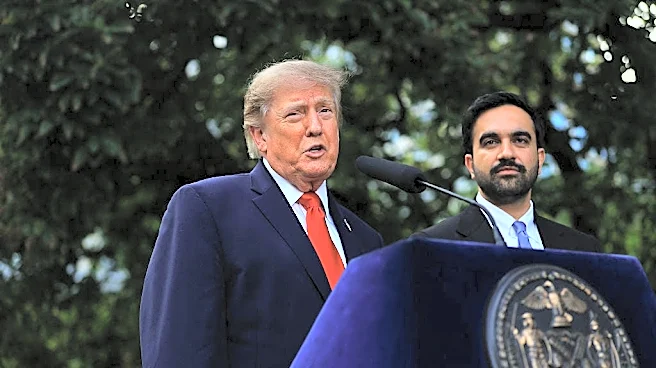
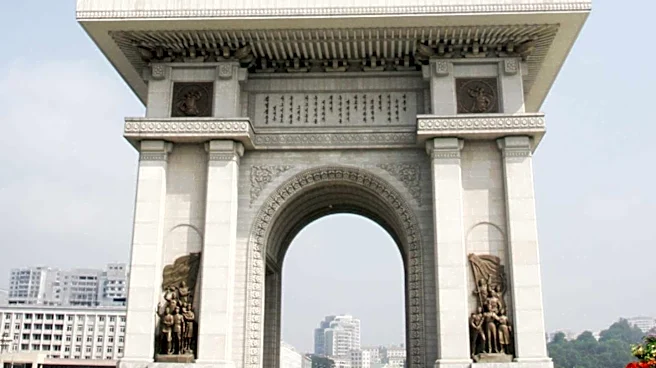
President Trump's recent actions, including discussions about placing snipers and drones in a planned triumphal arch near the Capitol and being photographed with printouts suggesting the demolition of the Kennedy Center, are causing concern among Republicans.
These actions, coupled with a ban on three media organizations from the White House, are seen by some as diverting attention from key voter priorities, particularly the economy and lowering prices. Republican strategists express worry that these moves give the impression that the White House is not focused on issues that matter most to the public, potentially jeopardizing the party's standing in upcoming elections. While some allies suggest these actions galvanize his base, critics argue they are 'undisciplined nonsense' that distracts from the cost of living.
Why It's Important?
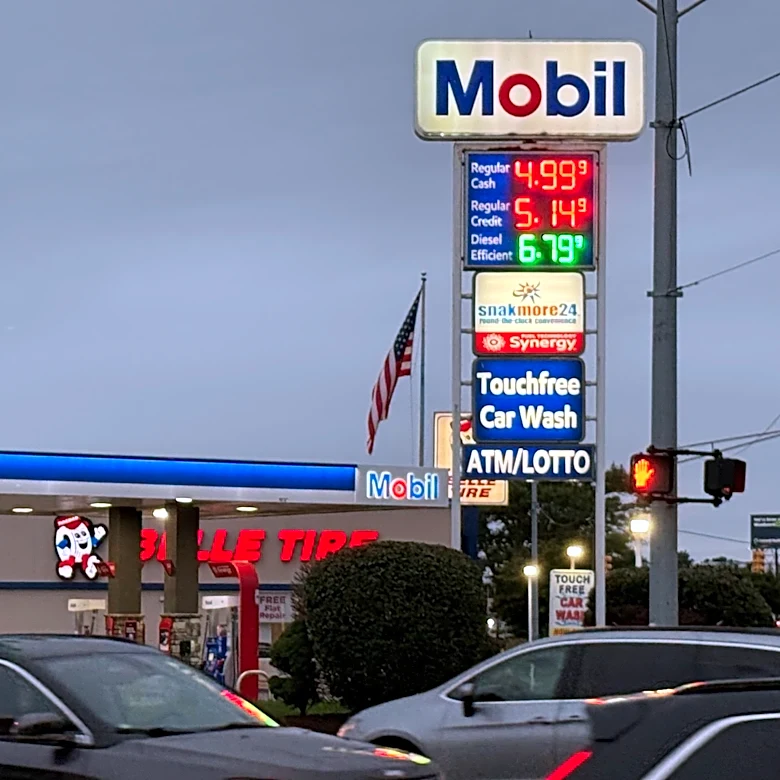
This situation is important because it highlights a significant internal struggle within the Republican Party regarding President Trump's messaging and priorities. The focus on symbolic projects and media disputes, rather than economic concerns like inflation and high gas prices, could alienate swing voters and undermine the party's efforts to maintain or gain control in Congress. For the U.S. economy, a perceived lack of focus from the White House on economic stability could lead to decreased public confidence and further exacerbate existing financial challenges. The debate also underscores the tension between a president's personal agenda and the broader strategic goals of their political party, especially in an election cycle where economic issues are paramount.
What's Next?
The ongoing debate within the Republican Party about President Trump's focus is likely to continue as elections approach. Strategists will likely push for a more disciplined message centered on economic issues. President Trump may continue his 'flood the zone' approach, which some believe distracts Democrats, but this strategy could also backfire by reinforcing concerns about his priorities among the general electorate. Candidates in competitive districts and states may increasingly distance themselves from the more controversial aspects of the President's agenda, choosing to focus on local economic concerns. The media will continue to scrutinize the White House's messaging, and public opinion polls will likely reflect whether voters perceive the administration as addressing their most pressing needs.
Beyond the Headlines
This scenario delves into the psychology of political communication and the effectiveness of 'flooding the zone' with various news items. While some strategists believe this tactic can disorient political opponents, it also risks creating an image of a White House detached from the everyday concerns of citizens. The emphasis on grand architectural projects and disputes over cultural institutions, while potentially appealing to a specific base, can be seen as out of touch when many Americans are struggling with economic hardship. This dynamic raises questions about the long-term impact of such a communication strategy on public trust and the perceived legitimacy of political leadership, especially when it appears to prioritize symbolic gestures over tangible solutions to pressing national problems.