








What's Happening?
Cambodia and Vietnam have agreed to accelerate plans for connecting their flagship expressway networks at the Bavet–Moc Bai international border crossing, aiming for completion by 2030. This consensus was reached during a strategic meeting in Hanoi between
Cambodia’s Minister of Public Works and Transport Peng Ponea and Vietnam’s Minister of Construction Tran Hong Minh. The initiative seeks to create a faster road corridor between Phnom Penh and Ho Chi Minh City, which is expected to reduce transport costs, alleviate border congestion, and strengthen trade and investment between the two nations. Initially, the connection will utilize the existing Bavet–Moc Bai international border gate, with further research and technical surveys planned for a more comprehensive long-term solution. The project requires coordination on technical standards, customs procedures, traffic management, and supporting infrastructure.
Why It's Important?
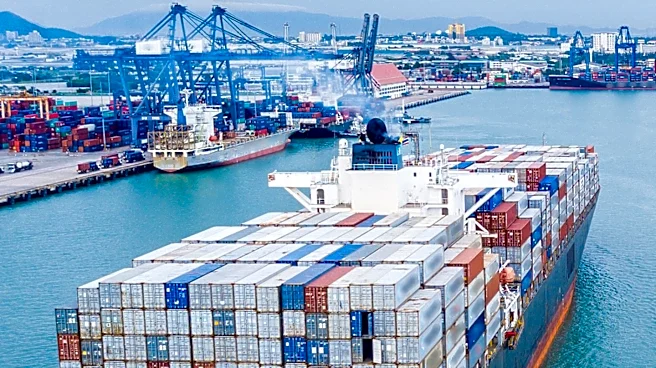
This expressway link is a significant development for regional trade and economic integration in Southeast Asia. By establishing a continuous high-speed route, it will substantially improve the movement of goods and passengers between two major commercial centers, Phnom Penh and Ho Chi Minh City. Vietnam is a key trading partner for Cambodia, and the Bavet–Moc Bai crossing is a vital gateway for bilateral commerce. Faster journeys and more predictable delivery times will enhance the competitiveness of businesses operating in the corridor, benefiting manufacturers, exporters, agricultural producers, and transport companies. Furthermore, improved connectivity is expected to attract new investments in logistics centers, industrial zones, tourism facilities, and commercial developments, particularly in Cambodia’s Svay Rieng province and areas near the border. This project is part of broader efforts to enhance transport connectivity across the Greater Mekong Subregion.
What's Next?
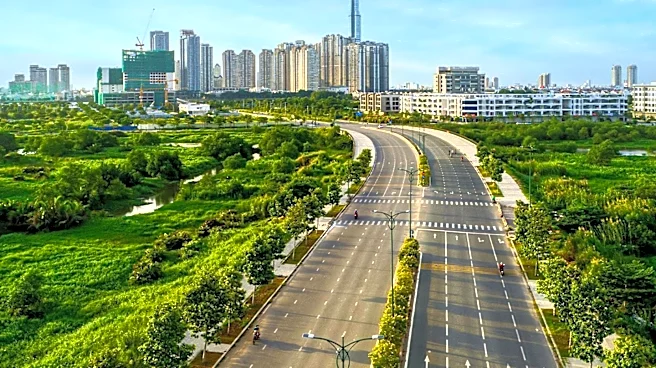
Both ministries will continue coordinating on infrastructure expansion and modernization to meet the proposed 2030 connection deadline. This includes conducting further technical surveys and impact assessments to finalize the design and address potential traffic congestion around the border area. The Cambodian side is currently constructing the Phnom Penh–Bavet Expressway, which will be the country’s second expressway, passing through Phnom Penh, Kandal, Prey Veng, and Svay Rieng provinces. On the Vietnamese side, the Ho Chi Minh City–Moc Bai Expressway is designed to improve connectivity between its largest commercial center and the Cambodian frontier. The successful integration of these two projects will establish a direct expressway corridor, supporting growing cross-border trade and reducing pressure on existing national roads. The initiative also signals deeper economic cooperation and long-term regional integration between Cambodia and Vietnam.
Beyond the Headlines
The development of this expressway highlights a growing trend in Southeast Asia towards infrastructure-led economic development and regional integration. Beyond the immediate economic benefits, such projects can have profound geopolitical implications, strengthening bilateral ties and fostering greater stability in the region. The challenges of coordinating technical standards and customs procedures across borders also underscore the complexities of international infrastructure projects, requiring sustained diplomatic and technical collaboration. The potential for new industrial zones and commercial developments along the route could lead to significant demographic shifts and urbanization in previously rural areas, raising questions about sustainable development, environmental impact, and social equity. This project serves as a tangible example of how physical infrastructure can act as a catalyst for broader economic and social transformation.