

What's Happening?
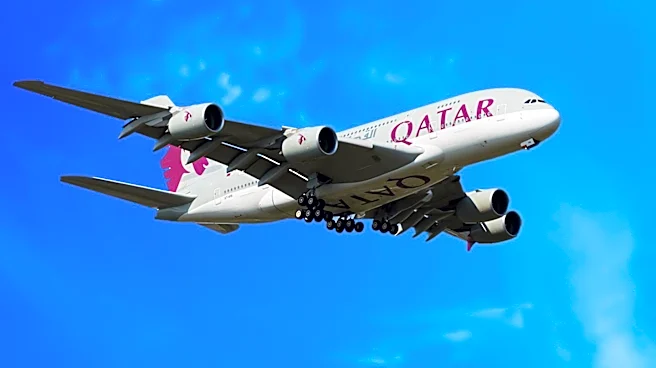
New research published in JAMA Internal Medicine indicates that flight attendants and pilots have the highest and second-highest proportions of radiation-related cancer mortality among over 500 occupations analyzed in the U.S. The study, led by surgeon
and health researcher Vishal Patel from Harvard Medical School, utilized data from the U.S. National Vital Statistics System, examining death certificates of 12.7 million individuals who died between 2020 and 2024. The findings suggest that aircrew members receive the largest mean annual effective dose of ionizing radiation of any occupational group in the U.S., primarily from cosmic rays encountered at commercial flight altitudes. Pilots and flight attendants accrue an estimated 3 to 6 millisieverts of cosmic radiation per year, significantly exceeding the 0.4 millisieverts received by an air traveler taking 10 cross-country round trips annually. Radiation-related cancers identified in the study included breast, thyroid, prostate cancers, multiple myeloma, leukemia, and melanoma.
Why It's Important?
This research highlights a significant, yet often overlooked, occupational health hazard for U.S. aircrew members. The elevated risk of radiation-related cancers for flight attendants and pilots has substantial implications for their long-term health and safety, potentially leading to increased healthcare costs and disability claims within the aviation industry. Unlike other radiation-exposed workers or aircrew in other countries, U.S. aircrew are not subject to federal dose limits or monitoring requirements, which could leave them vulnerable. The findings challenge common perceptions about radiation exposure, demonstrating that jobs far removed from nuclear facilities or X-ray departments can carry higher risks due to environmental factors. This could prompt calls for policy changes and enhanced protective measures for aircrew, impacting airline operations, training protocols, and employee benefits. The study also suggests that other factors like UV light exposure and circadian rhythm disruptions might contribute to health risks, broadening the scope of occupational health considerations in aviation.
What's Next?
The findings are likely to prompt discussions among aviation industry stakeholders, regulatory bodies, and labor unions regarding enhanced occupational radiation protections for U.S. aircrew members. This could include the implementation of federal dose limits, monitoring requirements, and routine health screenings tailored to address radiation exposure. Airlines may need to review and potentially revise their health and safety protocols, possibly incorporating more frequent medical check-ups, annual skin checks, and breast screenings for female aircrew. There might also be increased research into the combined effects of cosmic radiation, UV light, and circadian rhythm disruptions on aircrew health. Policy changes could lead to new regulations from the Federal Aviation Administration (FAA) to align U.S. standards with those in other countries that already have such protections in place. This could also influence aircraft design to mitigate radiation exposure and lead to changes in flight scheduling to reduce cumulative exposure for aircrew.
Beyond the Headlines
The study's implications extend beyond immediate health concerns, touching upon ethical and legal dimensions of occupational safety. The lack of federal dose limits and monitoring requirements for U.S. aircrew, despite formal recognition of their exposure to ionizing radiation, raises questions about employer responsibility and regulatory oversight. This could lead to legal challenges and demands for compensation for affected aircrew members. Culturally, the findings may shift public perception of aviation careers, highlighting the hidden health risks associated with what are often seen as glamorous professions. It also underscores the broader challenge of identifying and mitigating environmental health hazards in modern workplaces, particularly those involving unique exposures like cosmic radiation. The research could also spur innovation in personal dosimetry and protective technologies for aircrew, and potentially influence international standards for aviation safety and health.