






What's Happening?
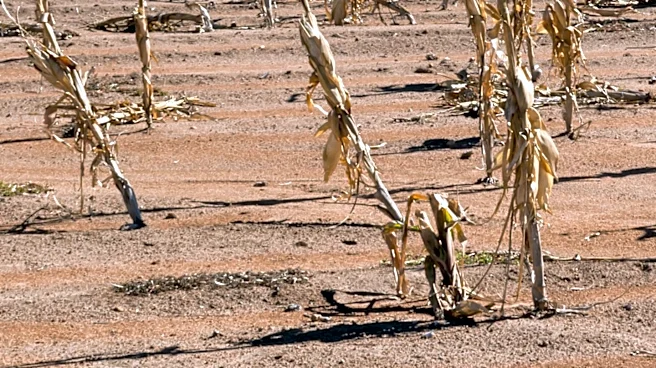
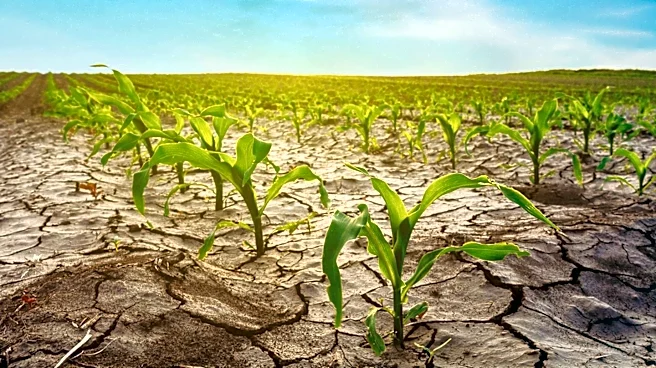
The Republic of Korea has committed 5,900 metric tons (MT) of rice for Fiscal Year 2026 to the ASEAN Plus Three Emergency Rice Reserve (APTERR) Tier 3 pre-positioned program. This contribution aims to enhance regional solidarity and readiness in response
to increasingly severe and frequent natural disasters, intensified by El Niño and climate change. Of the total allocation, 2,500 MT will be stored in Vientiane, Lao PDR, 3,000 MT in Yangon, Myanmar, and 400 MT in Pasay City, Philippines. This strategic pre-positioning allows recipient countries to rapidly mobilize food assistance when humanitarian needs arise, ensuring quick relief during emergencies. Rice is a staple food in the ASEAN Plus Three region, symbolizing shared culture and identity, making this reserve crucial for food security.
Why It's Important?
This contribution from the Republic of Korea is vital for strengthening food security and disaster response capabilities across Southeast Asia. With natural disasters becoming more intense and frequent due to climate change, pre-positioned rice reserves are critical for immediate humanitarian aid, preventing widespread hunger and instability in affected regions. The APTERR Tier 3 mechanism serves as a crucial regional backstop, enabling countries like the Philippines, Laos, and Myanmar to access essential food supplies without delay during crises. This initiative not only addresses immediate needs but also reinforces regional partnerships and collective capacity building for long-term resilience against climate-induced challenges, demonstrating a shared commitment to sustainable food security.
What's Next?
The pre-positioned rice stocks will be maintained in designated locations within Lao PDR, Myanmar, and the Philippines, ready for immediate deployment in the event of natural disasters or other emergencies. APTERR will continue to monitor regional food security and disaster risks, coordinating with member countries to ensure the effectiveness and accessibility of these reserves. Further contributions from other ASEAN Plus Three member countries are anticipated to sustain and expand the program's capacity. The success of this initiative may also encourage the development of similar regional cooperation models for other essential resources, enhancing overall disaster preparedness and response frameworks in the face of escalating climate impacts.
Beyond the Headlines
Beyond the immediate humanitarian benefit, Korea's rice donation signifies a deeper commitment to regional stability and multilateral cooperation in addressing global challenges. It highlights the growing recognition that climate change impacts transcend national borders, necessitating collective action and shared responsibility. This type of food reserve also plays a critical role in mitigating potential social unrest and migration pressures that can arise from food shortages following disasters. Furthermore, it reinforces the cultural significance of rice as a staple, intertwining humanitarian aid with cultural identity and regional solidarity. The initiative serves as a model for how international partnerships can proactively build resilience against future climate shocks, fostering a more secure and interconnected region.