






What's Happening?
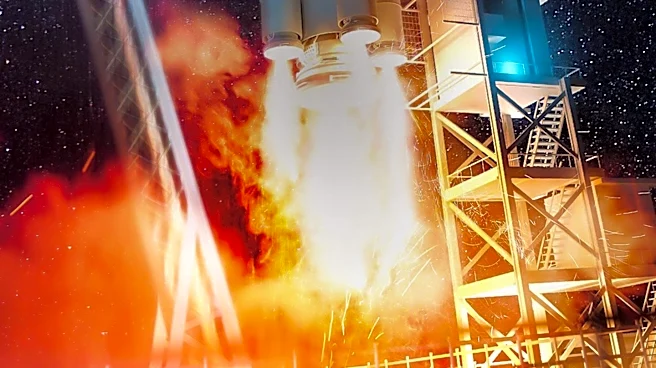
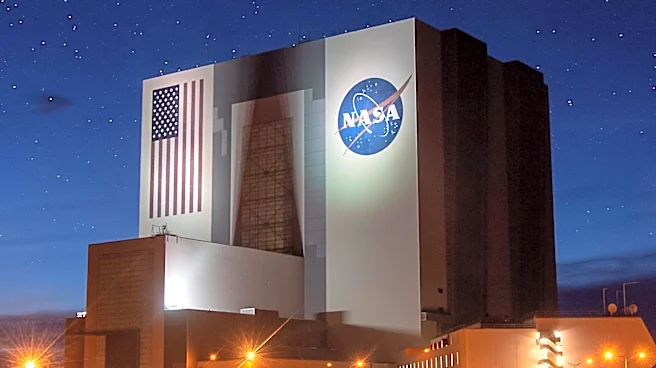
The U.S. Space Force has expanded its National Security Space Launch (NSSL) program by adding Relativity Space and Impulse Space to its roster of commercial providers. This move aims to diversify the methods by which military satellites are launched into
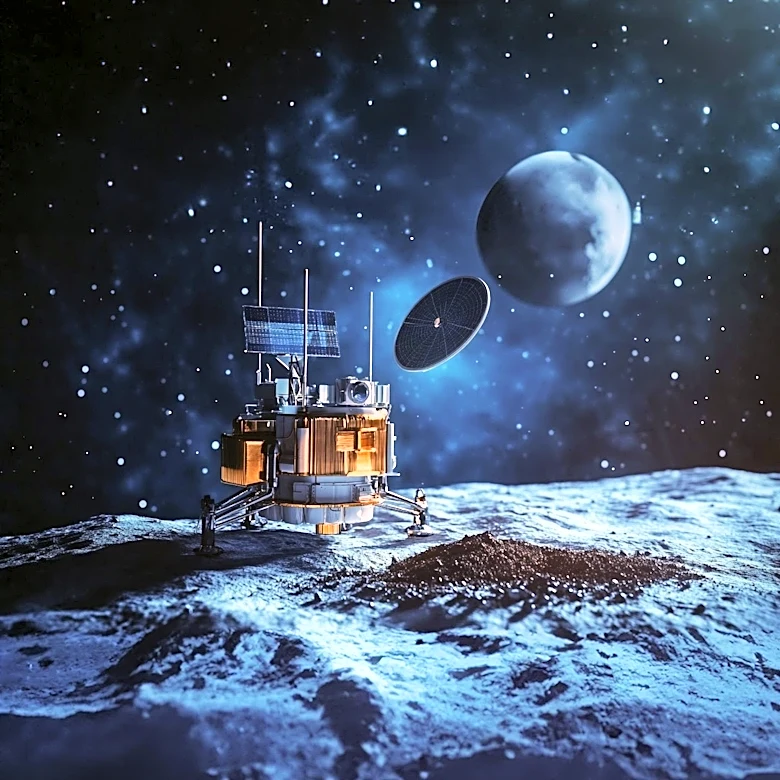
orbit. Relativity Space is developing the Terran R rocket, a medium-lift vehicle intended for commercial and government missions, although it has not yet had its first flight. Impulse Space, on the other hand, focuses on developing orbital transfer vehicles, known as space tugs, which transport satellites to their final operational destinations. The inclusion of these companies in the NSSL Phase 3 Lane 1 contract vehicle allows them to compete for future task orders, although it does not guarantee launch business. This expansion reflects a shift in how the Space Force defines launch services, moving towards integrated transportation services where one company provides the launch vehicle and another handles the final orbital delivery.
Why It's Important?
The inclusion of Relativity Space and Impulse Space in the NSSL program is significant as it introduces more competition into the military launch sector, potentially driving innovation and reducing costs. By broadening the pool of eligible companies, the Space Force aims to ensure a more resilient and flexible launch capability, which is crucial for maintaining national security. This move also provides newer companies with a pathway into the Pentagon's launch business, encouraging the development of advanced technologies and capabilities. The diversification of launch providers is essential for the U.S. to maintain its strategic advantage in space, especially as other nations continue to advance their own space capabilities.
What's Next?
As part of the NSSL Phase 3 Lane 1 contract, Relativity Space and Impulse Space will need to meet specific flight-readiness requirements to compete for individual missions. The Space Force will continue to solicit bids from this pre-qualified pool of companies for future launches. This approach allows the Space Force to adapt to evolving technological advancements and operational needs. The success of these companies in securing contracts will depend on their ability to demonstrate reliable and cost-effective launch solutions. The ongoing development of Relativity's Terran R rocket and Impulse's space tugs will be closely watched as they aim to fulfill the requirements of the NSSL program.