






What's Happening?
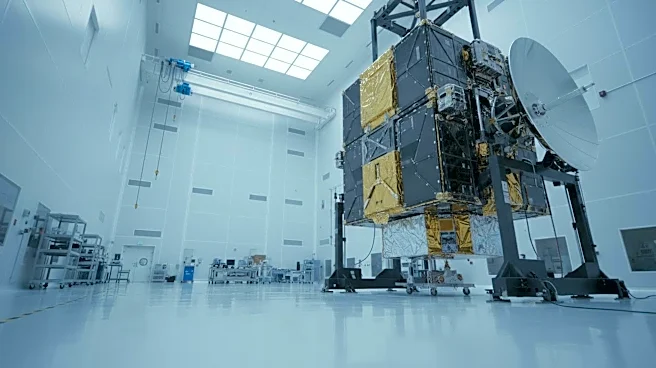
NASA's Jet Propulsion Laboratory (JPL) is set to open its doors to the public for the first time in three years with a two-day open house event scheduled for October 10 and 11, 2026. This event will allow visitors to explore mission control, spacecraft
assembly bays, and robotics labs. Free timed-entry tickets will be available starting at 9:00 a.m. on August 29, and are expected to be fully reserved within minutes, based on past events. The open house will feature thematic areas such as Missions That Changed the World, Moon to Mars, In Flight, and Makerspace. Visitors will have the opportunity to see the Space Flight Operations Facility, the Spacecraft Assembly Facility, and various robotics research projects. The event marks the first public open house since 2023 and the first fall open house since 2015.
Why It's Important?
The reopening of JPL to the public is significant as it provides a rare opportunity for the public to engage with NASA's cutting-edge space exploration technologies and research. This event not only fosters public interest in space science but also highlights JPL's role in advancing space exploration. The open house comes at a time when JPL has faced challenges, including workforce reductions and funding shortfalls, making it a crucial moment for the lab to reconnect with the community and showcase its achievements. The event also underscores the importance of public support and interest in sustaining space exploration initiatives.
What's Next?
As the open house approaches, JPL will likely focus on finalizing preparations to ensure a smooth and informative experience for visitors. The lab may also use this opportunity to highlight its ongoing projects and future missions, potentially garnering public and governmental support. Following the event, JPL might assess the impact of the open house on public engagement and consider future events to maintain interest in its work. Additionally, with NASA opening JPL's management contract to competitive bidding, the lab's performance and public perception could influence future management decisions.