



What's Happening?
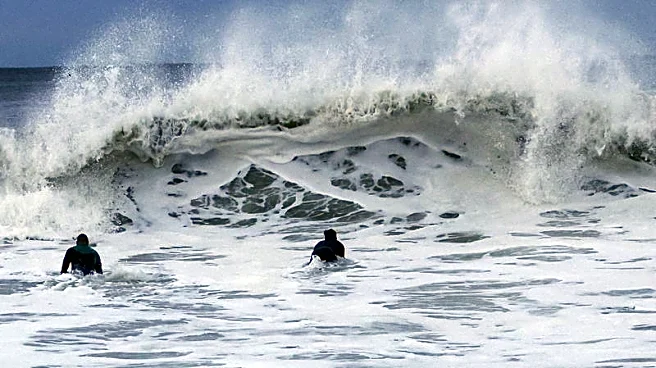
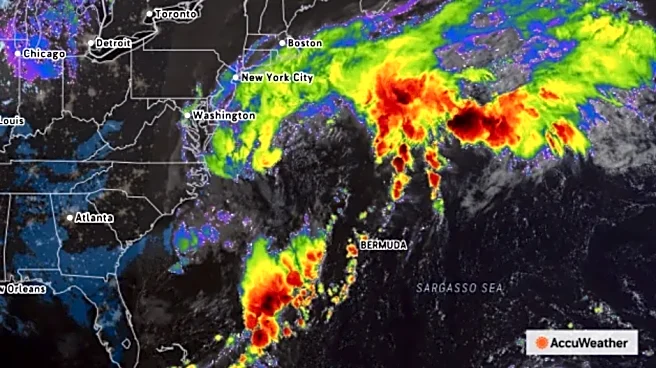
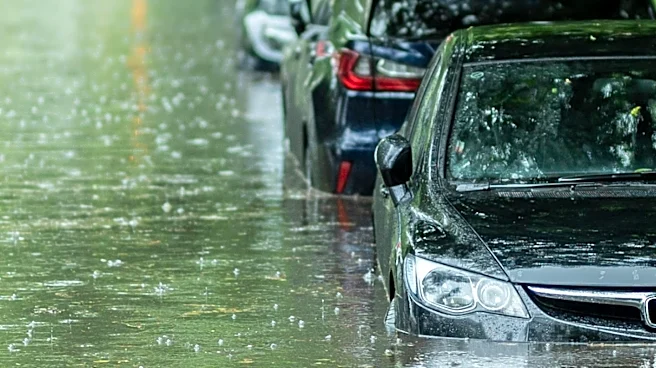
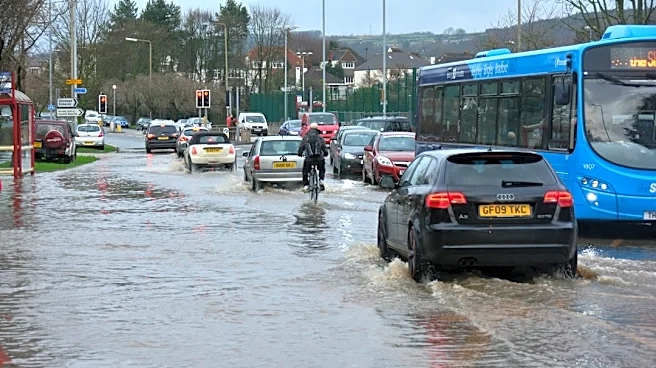
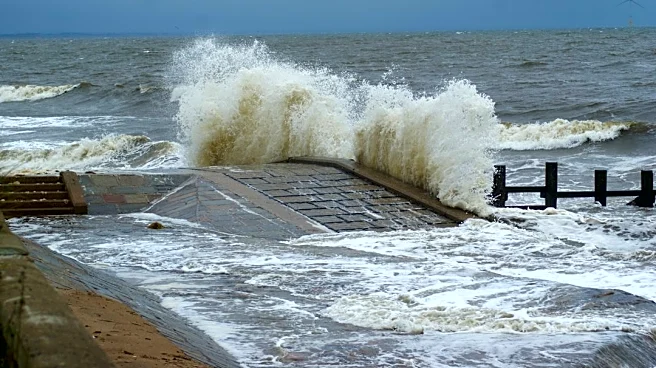
A powerful nor'easter has begun to impact the U.S. East Coast, leading to significant flooding in coastal New Jersey communities and widespread disruptions. Roads in Surf City and Manasquan, New Jersey, are inundated with water, and some homes have been
affected. Tens of millions of people are in the storm's path, with dangerous flooding anticipated along the Mid-Atlantic coast, particularly in New Jersey and Delaware, according to the National Weather Service. The storm is bringing strong winds, with gusts expected to reach 60-65 mph in areas like Cape Cod, Martha's Vineyard, and Nantucket, and 35-40 mph further inland. Thousands are already without power, and numerous flights to and from airports in Boston, Nantucket, Martha's Vineyard, and New York have been canceled. Concerts and sporting events, including an Ed Sheeran concert and a Red Sox series, have also been affected.
Why It's Important?
This nor'easter poses a significant threat to infrastructure, public safety, and economic activity across the U.S. East Coast. The widespread flooding in coastal areas, particularly in New Jersey, can cause extensive property damage, displace residents, and disrupt essential services. The anticipated high winds increase the risk of power outages due to downed trees and power lines, impacting homes and businesses. The cancellation of flights, concerts, and sporting events results in economic losses for affected industries and inconvenience for travelers and attendees. Furthermore, the storm's early arrival in the season, with leaves still on trees, exacerbates the risk of wind damage, potentially leading to more severe and prolonged power disruptions. This event highlights the vulnerability of coastal communities to extreme weather and the need for robust emergency preparedness and response mechanisms.
What's Next?
The nor'easter is expected to continue creating dangerous conditions through the weekend, with officials in affected areas bracing for worsening conditions. Mayor Mike Mangan of Manasquan anticipates prolonged flooding, and Mayor Brian Kelly of Sea Bright expects flooding comparable to the 2011 Irene-scale event, urging residents in low-lying areas to consider evacuation. Emergency services will remain on high alert, focusing on rescue operations, power restoration, and managing road closures. Airlines and event organizers will continue to monitor the situation, with further cancellations and schedule adjustments likely. The long-term implications will involve assessing and repairing infrastructure damage, supporting affected communities, and potentially re-evaluating coastal protection measures in light of increasingly severe weather events.
Beyond the Headlines
The nor'easter's impact extends beyond immediate disruptions, touching upon broader issues of climate change and urban resilience. The comparison to Hurricane Irene in 2011 by local officials underscores a growing concern about the increasing frequency and intensity of extreme weather events. This event serves as a stark reminder of the need for long-term climate adaptation strategies, including improved coastal defenses, updated infrastructure, and enhanced early warning systems. The economic fallout from canceled events and business interruptions highlights the interconnectedness of various sectors and the ripple effect of natural disasters. Furthermore, the storm's impact on communities like Surf City and Manasquan brings to light the social equity dimensions of climate change, as vulnerable populations may face disproportionate challenges in recovery and rebuilding efforts.