







What's Happening?
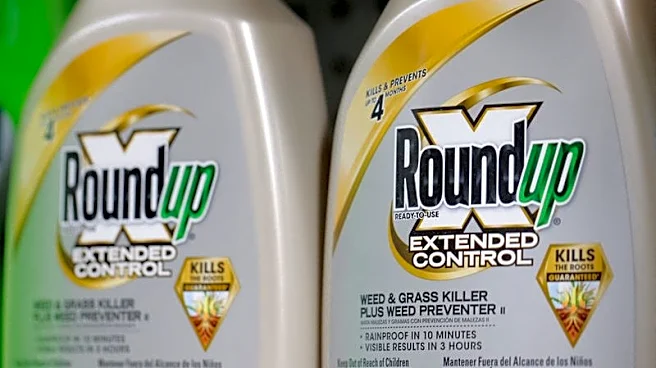
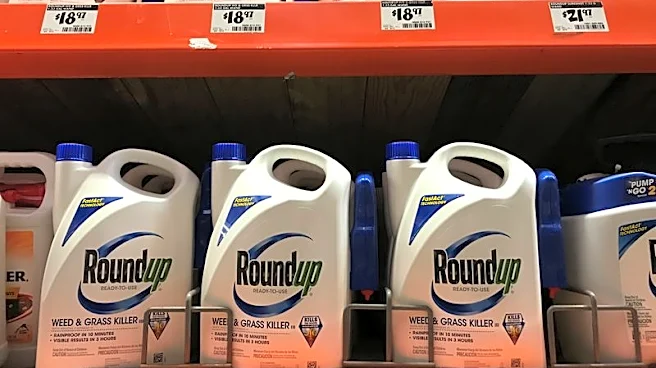
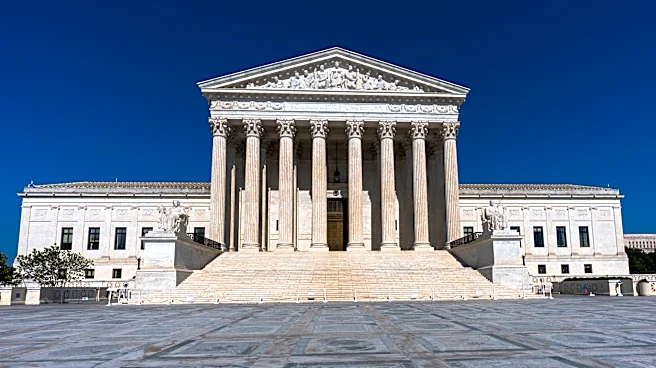
The United States Supreme Court has ruled 7-2 in the case of Monsanto v. Durnell, affirming that the Federal Insecticide, Fungicide, and Rodenticide Act (FIFRA) preempts state labeling requirements that differ from federal standards. This decision resolves
longstanding uncertainty regarding pesticide labeling and its availability to farmers. The ruling was welcomed by the National Corn Growers Association (NCGA), whose president, Jed Bower, emphasized that the decision confirms FIFRA as the prevailing law, preventing states from imposing additional, non-scientific labeling requirements. The Environmental Protection Agency (EPA) has consistently stated that glyphosate, a common pesticide ingredient, does not cause cancer, a position supported by major regulatory bodies worldwide. However, numerous court cases have challenged this, arguing for additional warnings. The Supreme Court's decision prevents states from mandating labels that contradict federal findings, which could have led to increased costs and reduced product availability.
Why It's Important?
This Supreme Court ruling is significant for the agricultural industry, particularly for pesticide manufacturers and farmers. By upholding federal labeling standards, the decision prevents a potential patchwork of state regulations that could have increased operational costs and complexity for manufacturers. This uniformity is crucial for maintaining the availability and innovation of pesticide products, which are vital for agricultural productivity. The ruling also underscores the authority of federal scientific assessments over state-level interventions, reinforcing the role of the EPA in determining the safety and labeling of pesticides. This could lead to more consistent regulatory practices and reduce litigation risks for companies like Monsanto, which have faced numerous lawsuits over glyphosate labeling.
What's Next?
Following this decision, it is expected that pesticide manufacturers will continue to align their labeling practices with federal standards, potentially reducing the number of state-level legal challenges. The ruling may also prompt states to reconsider their approaches to pesticide regulation, focusing on compliance with federal guidelines. For farmers, this decision could mean more stable access to necessary agricultural chemicals without the added burden of navigating varying state requirements. The agricultural industry may also see a boost in innovation as companies are assured of a consistent regulatory environment.