



What's Happening?
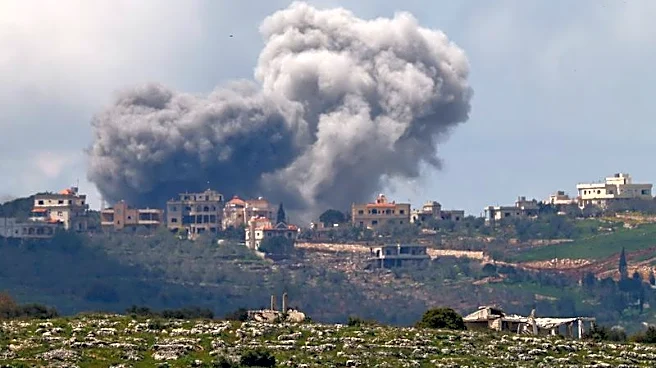
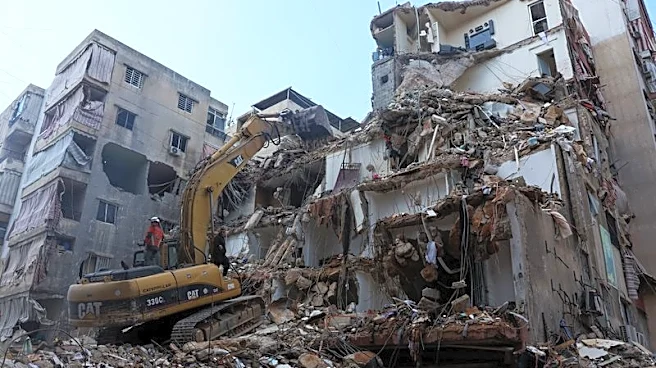
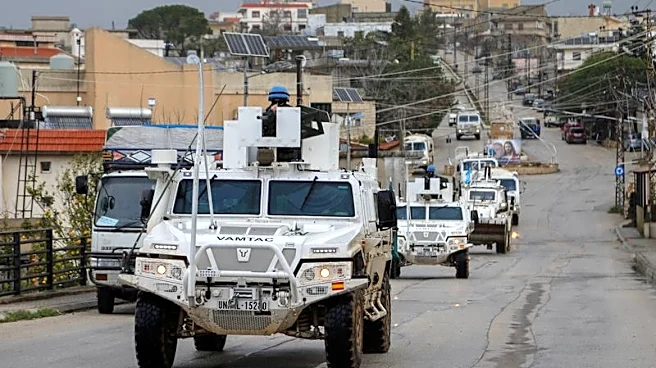
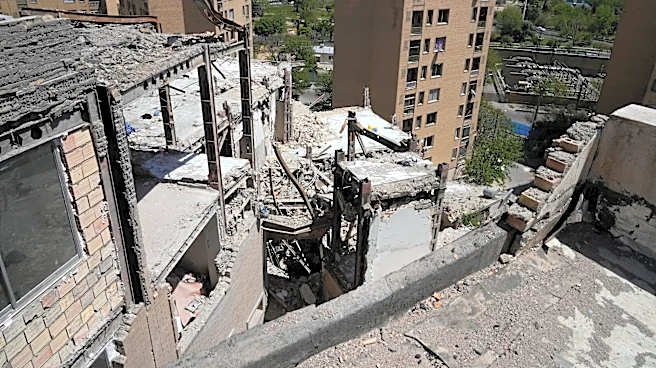
President Trump has announced a 10-day ceasefire in Lebanon, a move seen as crucial amid escalating violence in the region. The ceasefire comes after Israeli forces conducted significant military operations, including the destruction of infrastructure
and civilian casualties. The conflict has resulted in over 2,100 deaths, including children, and has displaced a significant portion of the population. The ceasefire is part of broader efforts to de-escalate tensions following a series of Israeli strikes that have drawn international concern. Despite the ceasefire, the situation remains fragile, with ongoing tensions between Israel and Hezbollah, and the broader geopolitical dynamics involving Iran.
Why It's Important?
The ceasefire is significant as it represents a temporary halt in hostilities that have caused widespread humanitarian issues in Lebanon. The conflict has strained Lebanon's resources and exacerbated political tensions within the country. Internationally, the ceasefire is a critical step in addressing the broader Middle Eastern conflict, which involves key players like Iran and Israel. The U.S. role in brokering this ceasefire highlights its influence in the region and its interest in stabilizing the situation. However, the ceasefire's success depends on the cooperation of all parties involved, including Hezbollah and Israel, and the ability to address underlying issues such as territorial disputes and political dominance.
What's Next?
The next steps involve monitoring the ceasefire's implementation and ensuring compliance by all parties. Diplomatic efforts are likely to continue, focusing on long-term solutions to the conflict. The U.S. and other international actors may increase pressure on Israel and Hezbollah to engage in dialogue and reduce hostilities. The Lebanese government faces challenges in managing internal political dynamics and addressing the humanitarian needs of its displaced population. The situation remains volatile, and any breach of the ceasefire could lead to renewed violence.
Beyond the Headlines
The ceasefire highlights the complex interplay of regional politics, with Lebanon caught between Iranian and Israeli influences. The conflict has deepened social and communal divisions within Lebanon, reminiscent of its civil war history. The international community's response to the ceasefire will be crucial in shaping future diplomatic and military strategies in the region. The situation underscores the need for comprehensive peace efforts that address the root causes of the conflict, including political representation and territorial integrity.