








What's Happening?
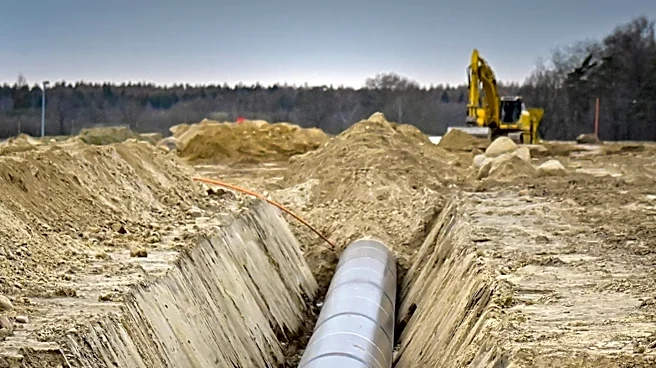
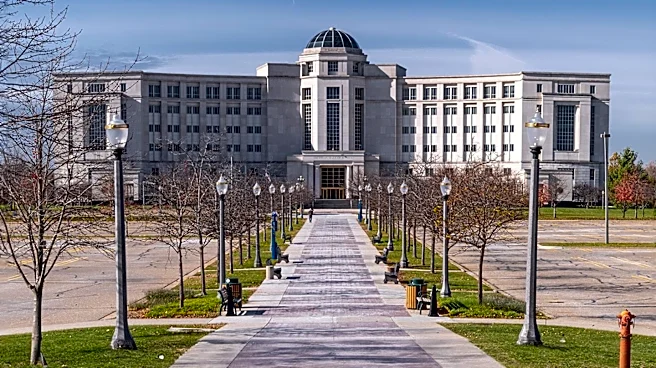
The Michigan Supreme Court has mandated state regulators to reassess a permit granted to Enbridge for constructing a tunnel to house an oil pipeline under the Great Lakes. The court's 6-1 decision highlights environmental concerns, particularly the potential
extension of the pipeline's operational life, which could exacerbate environmental harm. The pipeline, known as Line 5, runs beneath the Straits of Mackinac, a critical juncture between Lakes Huron and Michigan. Enbridge's proposal to encase the pipeline in a tunnel has faced opposition from Michigan Governor Gretchen Whitmer and environmental groups, who argue that a spill could have catastrophic consequences for the Great Lakes. The permit, initially approved by the Michigan Public Service Commission in 2023, is now under scrutiny following legal challenges from tribal nations and environmental organizations.
Why It's Important?
This ruling is significant as it underscores the ongoing tension between energy infrastructure development and environmental protection. The decision could impact the future of Line 5, a crucial conduit for petroleum between the U.S. and Canada, affecting energy supply and economic relations. Environmentalists and Indigenous groups view the ruling as a victory in their efforts to protect the Great Lakes from potential oil spills. Conversely, Enbridge argues that the tunnel would enhance environmental safety while ensuring energy reliability. The outcome of this legal battle could set a precedent for how similar infrastructure projects are evaluated in terms of environmental impact and regulatory oversight.
What's Next?
Following the court's decision, state regulators must revisit the permit application, considering the environmental implications of extending the pipeline's lifespan. Enbridge is currently reviewing its legal options, indicating potential further legal challenges. The decision may prompt increased advocacy from environmental groups and Indigenous communities, while also drawing attention from policymakers concerned with energy security and environmental stewardship. The case could influence future regulatory frameworks governing energy infrastructure projects, balancing economic interests with environmental and cultural considerations.