


What's Happening?
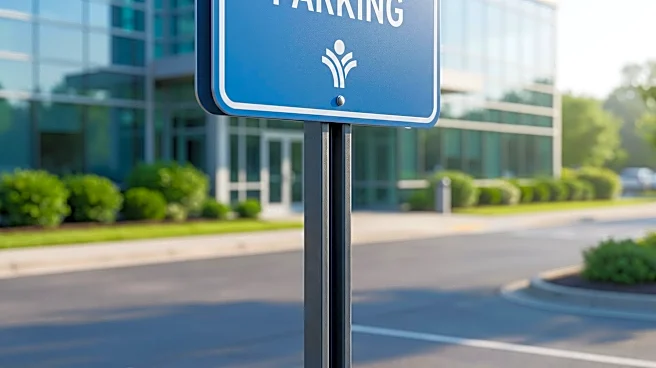
The Maine Turnpike Authority (MTA) has announced that it is making the design for its newly unveiled veterans-only parking signs available for public use across the nation. This initiative allows veterans organizations, hospitals, municipalities, schools,
and other entities to install these signs in their communities free of charge. The custom sign was designed in-house by the Maine Turnpike Authority, with the final design selected by the MTA Veterans Group. The decision to share the design nationally was prompted by requests from leaders of American Legion Post 74 of Kennebunk and American Legion Post 159 of Kennebunkport, who expressed interest in having similar signs for their posts. MTA Executive Director Andre Briere stated that the value of sharing the design to help recognize veterans far outweighs the value of owning it. This move builds upon the Maine Turnpike's existing designation as the Gold Star Memorial Highway, established in 1965 to honor those who made the ultimate sacrifice and their families. Organizations interested in utilizing the design can reproduce it without copyright restrictions to create dedicated veterans parking spaces.
Why It's Important?
This action by the Maine Turnpike Authority holds significant importance as it provides a tangible way for communities across the U.S. to honor and recognize veterans. By making the design freely available, the MTA is facilitating a nationwide effort to establish dedicated parking spaces, which can serve as a daily reminder of the sacrifices made by service members. This initiative can foster a greater sense of appreciation and respect for veterans within local communities, potentially encouraging more widespread support for veteran-focused programs and services. For veterans, these dedicated spaces offer a small but meaningful convenience and a visible symbol of gratitude. The relinquishing of copyright restrictions demonstrates a commitment to public service over proprietary interests, setting a precedent for other organizations to share resources that benefit the broader community. This move also reinforces the existing recognition of veterans, such as the Gold Star Memorial Highway designation, by extending its spirit to a more localized and practical application.
What's Next?
Organizations across the nation are now encouraged to contact the MTA Communications staff at their Portland, ME, headquarters for additional information or coordination regarding the use of the veterans parking sign design. This suggests a potential widespread adoption of these signs in various communities, leading to a more uniform and visible recognition of veterans at parking facilities. The MTA's proactive approach in making the design accessible could inspire other state and local authorities, as well as private entities, to implement similar initiatives or collaborate on broader veteran support programs. The success of this program will likely be measured by the number of organizations that adopt the design and the positive impact it has on veteran recognition and community engagement. Future developments might include the creation of a national registry of locations with these signs or further collaborations to expand the scope of veteran recognition efforts.
Beyond the Headlines
The MTA's decision to freely share its veterans parking sign design transcends a simple act of goodwill; it highlights a broader cultural shift towards more visible and integrated forms of veteran appreciation within civilian life. This initiative could spark conversations about other practical ways to honor service members, moving beyond ceremonial gestures to everyday conveniences. Ethically, it underscores the principle of collective responsibility in supporting those who have served, suggesting that public entities can play a significant role in fostering a culture of gratitude. Legally, the relinquishing of copyright sets an interesting precedent for public domain contributions, potentially encouraging other government agencies to share intellectual property for public benefit. Culturally, these signs could become ubiquitous symbols, subtly reinforcing the value of military service and potentially influencing younger generations' perceptions of civic duty and national pride. This development could also lead to a re-evaluation of how public spaces are designed to be inclusive and respectful of specific community groups.