
What's Happening?
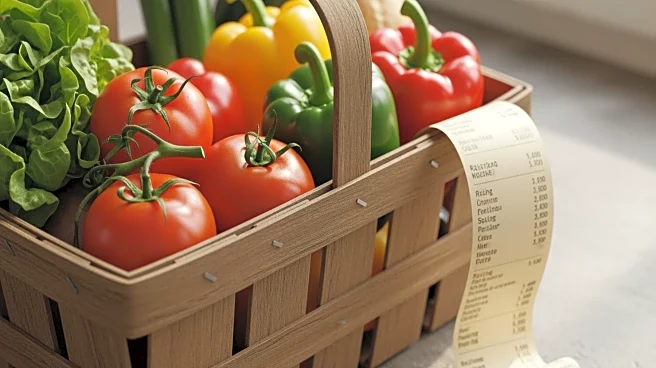
The cost of groceries in the U.S. has seen a significant increase over the past few years, reflecting broader economic challenges. A comparison of prices from the 1990 film 'Home Alone' to current figures
shows a 167% increase in the cost of a typical grocery cart. Key items such as eggs, bread, and meat have experienced substantial price hikes due to factors like avian flu outbreaks, droughts, and geopolitical tensions affecting supply chains. The Consumer Price Index indicates that food prices at home have climbed by 27.5% from 2019 to 2024, with the sharpest increases occurring between mid-2021 and mid-2023. Despite a slowdown in inflation in 2024, prices have not decreased, maintaining pressure on household budgets.
Why It's Important?
The rising cost of groceries is a significant concern for U.S. households, particularly those with fixed or lower incomes. As essential items become more expensive, families may struggle to afford basic necessities, leading to increased financial stress and potential food insecurity. The persistent high prices also reflect broader economic issues, such as supply chain disruptions and labor shortages, which have been exacerbated by the pandemic and global instability. Addressing these challenges will require coordinated efforts from policymakers, industry leaders, and communities to ensure that food remains accessible and affordable for all Americans.
What's Next?
In response to rising grocery prices, there may be increased calls for government intervention to stabilize food costs and support vulnerable populations. This could include measures such as subsidies for essential goods, investment in domestic agriculture, and efforts to strengthen supply chains. Additionally, consumers may seek alternative shopping strategies, such as buying in bulk or seeking out local produce, to mitigate the impact of high prices. The ongoing economic pressures could also influence broader policy discussions around wage growth and economic inequality.
Beyond the Headlines
The issue of rising grocery prices highlights the interconnectedness of global markets and the impact of external factors on domestic economies. As climate change and geopolitical tensions continue to affect agricultural production and supply chains, there may be a need for more sustainable and resilient food systems. This could involve innovations in farming practices, investment in renewable energy, and efforts to reduce food waste. The situation also underscores the importance of addressing economic inequality, as those with lower incomes are disproportionately affected by rising costs.